

1998-1999 BMW 323is Engine Coolant Temperature Sensor Guide
Diagnose and fix common running problems like poor fuel economy and rough idling by understanding this critical sensor.
- This sensor is a dual-purpose switch that controls both your engine's fuel mixture and your dashboard temperature gauge.
- Symptoms of failure include bad gas mileage, a Check Engine Light, and an incorrect temperature gauge reading.
- The correct part is a 4-prong sensor located on the cylinder head, not the 2-prong switch on the radiator.
- Replacement is a manageable DIY task; have the new sensor and its sealing washer ready to minimize coolant loss.
Is a Bad Coolant Temp Sensor Causing Your BMW's Problems?
If your E36 323is is running rich, getting poor gas mileage, or has an erratic temperature gauge, the engine coolant temperature sensor is a likely culprit. This sensor tells the engine computer (DME) how hot the engine is. When it fails, it often tells the computer the engine is cold, even when it's not. This causes the DME to inject too much fuel, leading to a host of noticeable problems. Because it's a relatively inexpensive and accessible part, it's a common first step in troubleshooting these symptoms.
Symptoms of a Failing Coolant Temperature Sensor
A bad coolant sensor can make your car run poorly. Here are the most common signs:
- Poor Fuel Economy: The engine uses more fuel than necessary because it thinks it's constantly cold.
- Black Exhaust Smoke: A sign of a rich fuel mixture, where unburned fuel exits through the exhaust.
- Rough or High Idle: The DME struggles to find the correct idle speed without an accurate temperature reading.
- Check Engine Light: The DME will log a fault code when the sensor's readings are out of range.
- Inaccurate Temp Gauge: The needle on your dashboard may stay on cold, jump around, or read incorrectly.
- Hard Starting: The engine may be difficult to start, especially when it's warm, due to an incorrect fuel mixture.
Two Different Sensors
Your 323is has two main temperature sensors. The one this guide focuses on is the double temperature switch in the cylinder head, which affects engine performance. There is a separate, simpler switch in the radiator that only controls the auxiliary cooling fan. Be sure you are diagnosing and replacing the correct part.
Choosing the Right Aftermarket Sensor
When it comes to sensors for a BMW, quality matters. While you can go to a dealership for a Genuine BMW part, many aftermarket brands offer a reliable alternative for less money. For a simple part like the coolant temperature sensor, a quality aftermarket brand is often a smart choice. Here's a general breakdown of the brands available:
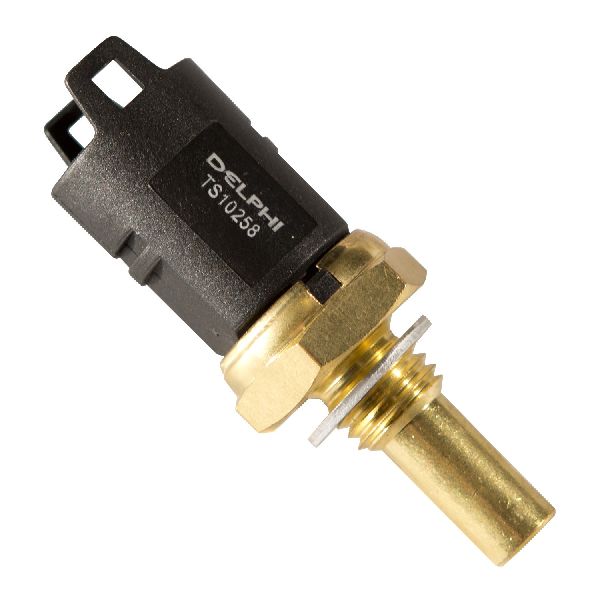
- OEM-Tier (Excellent Quality): Brands like Delphi are often original equipment manufacturers for many car companies. They are a top choice for quality and fitment, closely matching the original part.
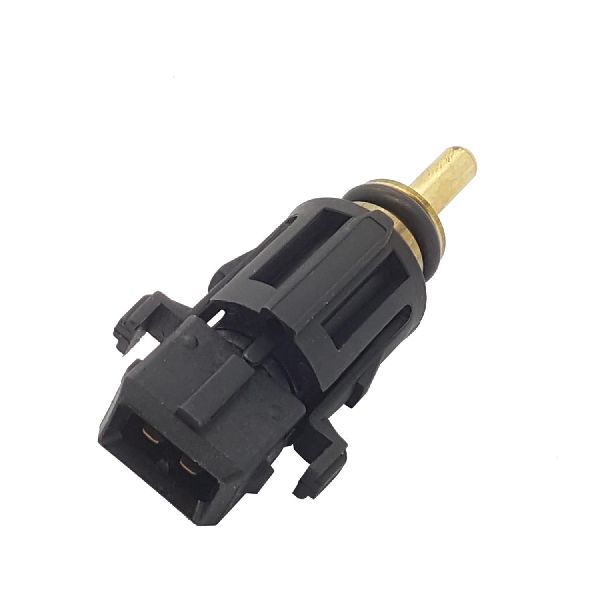
- Reputable Aftermarket (Good Quality): Brands like Vemo, Facet, and Standard Ignition (Intermotor) have a long history of making reliable parts for European cars. They provide a good balance of price and performance and are a popular choice in the BMW community.
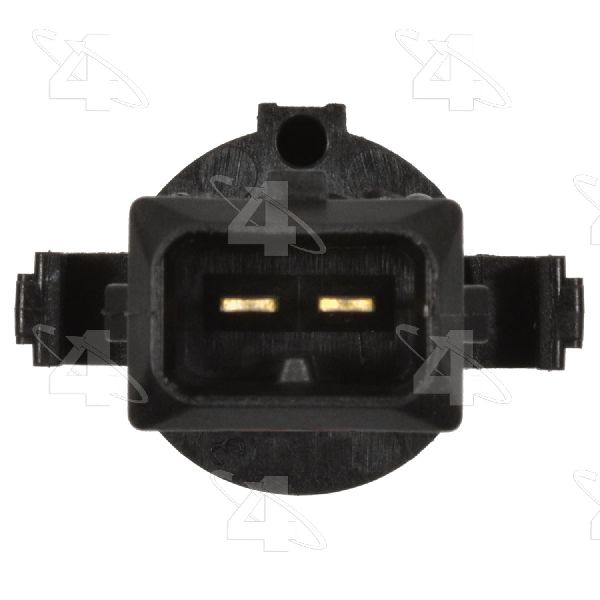
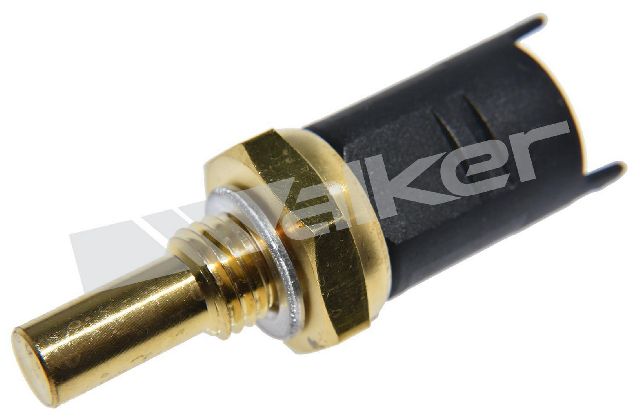
- Standard Aftermarket (Value-Oriented): Brands like Holstein, Four Seasons, and Walker Products offer a cost-effective solution. While they may not have the same reputation as German-focused brands, they can be a suitable option for a budget-conscious repair.
Pro Tip: Many owners recommend sticking with brands known for their European car parts, like Vemo or Facet, to avoid potential issues with incorrect readings, even if the part fits physically.
Cost of Replacing a Coolant Temperature Sensor
| Part Type | Price Range |
|---|---|
| New Aftermarket Sensor | $19.18 - $55.22 |
| New Genuine BMW Sensor | $25 - $40 |
| Shop Labor Cost | $50 - $75 |
Prices are estimates and can vary based on supplier and location. The Genuine BMW part is competitively priced, making it a strong option.
Frequently Asked Questions (FAQ)
Where is the coolant temperature sensor located on a 1998-1999 323is?
The main engine coolant temperature sensor is screwed into the cylinder head, underneath the intake manifold, typically between cylinders 1 and 2. It can be hard to see without removing some components for access.
Can I replace the coolant temperature sensor myself?
Yes, this is a DIY-friendly job for someone with basic tools. It requires a 22mm wrench and careful work in a tight space. The key is to work on a cold engine to avoid burns and minimize coolant loss. Always use a new sealing washer with the new sensor.
Do I need to drain the coolant to replace the sensor?
You do not need to fully drain the cooling system. If you work quickly on a cold engine, only a small amount of coolant will spill out as you swap the old sensor for the new one. Have the new sensor ready to install immediately after removing the old one.
Is there a recall for the coolant temperature sensor on the E36 323is?
No, there are no recalls or technical service bulletins (TSBs) from BMW or NHTSA specifically for the engine coolant temperature sensor on the 1998-1999 323is.
Technical Specifications
OEM Part Numbers: 13621703993
This is a 4-prong, dual-circuit temperature sensor/switch located on the cylinder head.
We Have This Part in Stock


The information in this article is provided for general reference and educational purposes only. Vehicle specifications, procedures, and part compatibility can vary by production date, trim level, and region. Always consult your vehicle's factory service manual and verify part numbers before purchasing or performing repairs. Safety-critical components such as airbags, seat belts, and braking systems should be installed by a qualified professional.
- BMW 323is: