

Lexus GS400 (1998-2000) Engine Coolant Temperature Sensor Guide
Is your GS400 running rough or getting poor gas mileage? Your Engine Coolant Temperature Sensor could be the culprit.
- A failing ECT sensor on a GS400 can cause poor gas mileage, rough idle, overheating, and a check engine light.
- This is a DIY-friendly repair, located at the front of the engine near the thermostat.
- For a critical electronic part, choosing a quality aftermarket brand like Delphi, Beck Arnley, or Standard Ignition is highly recommended over budget options.
- Symptoms can overlap with a bad thermostat; consider replacing both on a high-mileage vehicle.
Symptoms of a Failing ECT Sensor
A bad Engine Coolant Temperature sensor can make your GS400 act up in several ways. Because the ECU relies on this sensor for so much, a wrong signal can throw many things off. You might notice one or more of the following issues:
- Check Engine Light: This is often the first sign. A faulty ECT sensor can trigger codes like P0115, P0116, P0117, or P0118.
- Poor Fuel Economy: If the sensor tells the ECU the engine is cold when it's not, the computer will enrich the fuel mixture, causing you to use more gas.
- Rough Idle or Stalling: An incorrect temperature reading can lead to the wrong air-fuel mixture, making the engine run rough, especially when stopped.
- Black Smoke from Exhaust: This is a sign of a rich fuel mixture, where too much gasoline is being burned. A bad sensor can cause this.
- Engine Overheating: The ECT sensor helps control the electric cooling fans. If it fails, the fans may not turn on when needed, causing the engine to overheat, especially in traffic.
- Hard Starting: When the engine is cold, the ECU needs to know this to provide the right fuel mixture for starting. A bad sensor can make starting difficult.
Is it the Sensor or the Thermostat?
Some symptoms, like an engine that's slow to warm up or a temperature gauge that reads low, can also be caused by a thermostat that is stuck open. Since both parts are relatively inexpensive, some owners choose to replace both the ECT sensor and the thermostat at the same time, especially on an older vehicle.
Choosing the Right Aftermarket Part
When it comes to electronic sensors for a Lexus, quality matters. While an OEM sensor from a Lexus dealer is always a safe bet, several aftermarket brands offer a good balance of quality and value.
- Top-Tier Aftermarket (OEM Suppliers): Brands like Delphi are often original equipment suppliers to many car manufacturers. Their parts are engineered to meet or exceed OE specifications and are an excellent choice. Denso is the original supplier for many Lexus parts, and if you can find a Denso-branded sensor, it is essentially the same as the OEM part.
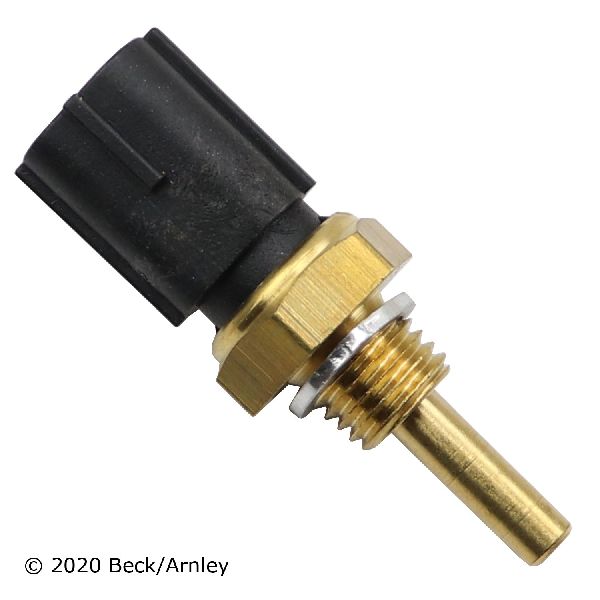
- Quality Aftermarket: Brands like Beck Arnley and Standard Ignition (SMP) have a strong reputation in the aftermarket. They focus on matching OE form, fit, and function and are a reliable choice for your GS400. These brands often source parts from various manufacturers, sometimes even the original OEM supplier.
- Budget Brands: Other brands like Four Seasons, Global Parts, and Facet are typically more budget-focused. While they are more affordable, their long-term reliability and accuracy may not match that of the higher-tiered brands. For a critical sensor like the ECT, sticking with a more reputable brand is generally recommended for peace of mind.
Pro Tip: The ECT sensor for the ECU is a two-wire sensor. Your GS400 also has a one-wire temperature sender for the gauge on your dashboard. Make sure you are purchasing the correct part. The main ECT sensor for the computer is the one that causes the running issues described above.
Cost of Replacement
| Part Type | Estimated Cost |
|---|---|
| New OEM (Lexus) | $75 - $105 |
| New Aftermarket | $13 - $48 |
| Shop Labor | $60 - $120 |
Frequently Asked Questions
Where is the ECT sensor located on a 1998-2000 Lexus GS400?
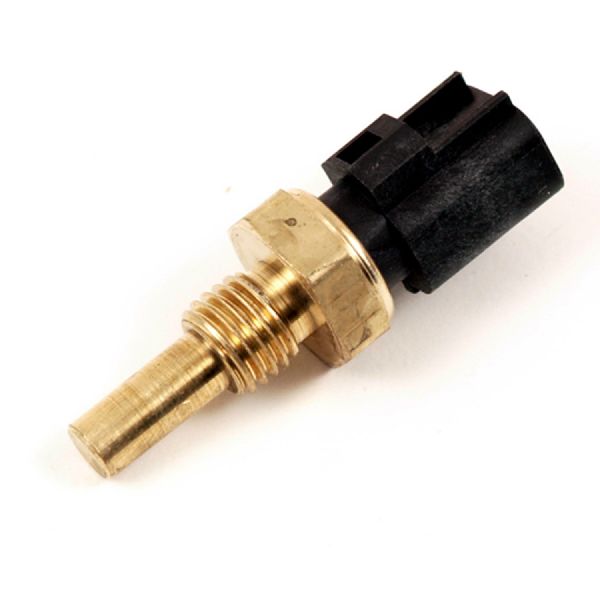
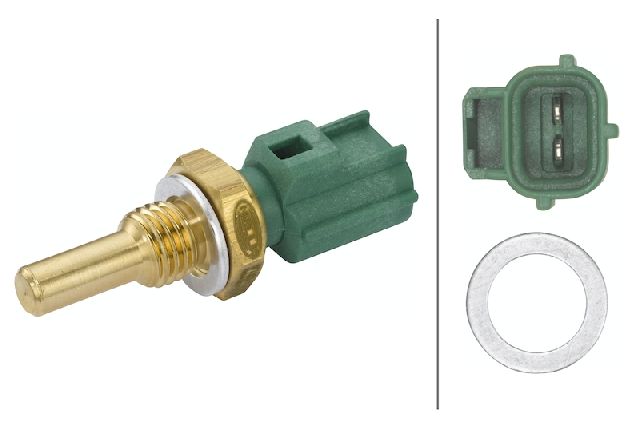
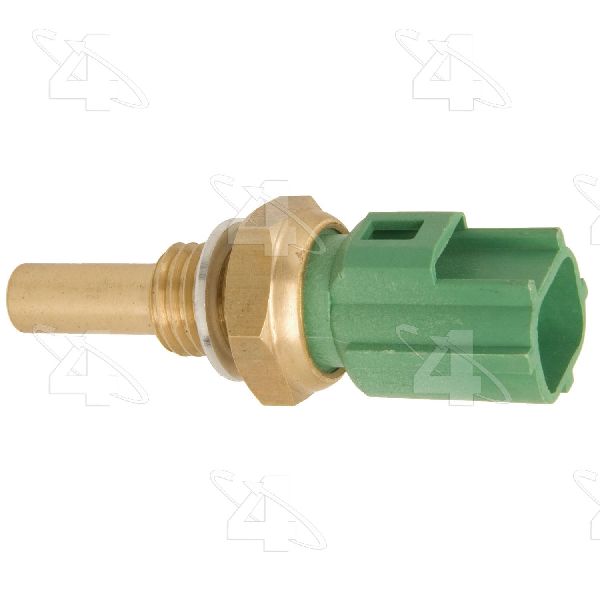
On the 1UZ-FE V8 engine, the ECT sensor is located on the front of the engine, on the lower coolant housing, near the thermostat. It has a green, two-wire electrical connector. It is relatively easy to access once the top engine covers are removed.
Can I replace the GS400 ECT sensor myself?
Yes, this is a DIY-friendly job for someone with basic tools. The process involves letting the engine cool completely, partially draining the coolant, removing the engine covers, disconnecting the electrical connector, and using a deep socket to unscrew the old sensor and install the new one. Always be careful not to overtighten the new sensor.
Do I need to drain all the coolant to change the sensor?
You don't have to drain all of it, but you should drain enough coolant from the radiator's petcock so the level is below the sensor. This will prevent a large mess when you remove the sensor. Have the new sensor ready to install quickly to minimize coolant loss. Be sure to top off the coolant with the correct type (Toyota Red) and bleed any air from the system afterward.
Are there any recalls for the ECT sensor on the GS400?
No, there are no specific recalls or common Technical Service Bulletins (TSBs) from Lexus or the NHTSA related to the engine coolant temperature sensor for the 1998-2000 GS400. The major recall for this vehicle concerns the Takata passenger-side airbag inflator.
Technical Specifications
OEM Part Numbers: 89422-30030
2-pin connector, green housing, includes copper washer.
We Have This Part in Stock


The information in this article is provided for general reference and educational purposes only. Vehicle specifications, procedures, and part compatibility can vary by production date, trim level, and region. Always consult your vehicle's factory service manual and verify part numbers before purchasing or performing repairs. Safety-critical components such as airbags, seat belts, and braking systems should be installed by a qualified professional.
- Lexus GS400: