

Lexus GS400 (1998-2000) Engine Oil Pressure Switch Guide
Understanding and replacing the engine oil pressure switch on your 1998-2000 Lexus GS400.
- A flickering oil light is the #1 symptom of a failing oil pressure switch on the GS400, but always check your oil level first.
- The switch is located on the front of the engine near the crankshaft pulley and is accessible from underneath the car.
- This is a manageable DIY repair with a special deep socket (24mm or 27mm), but access is tight.
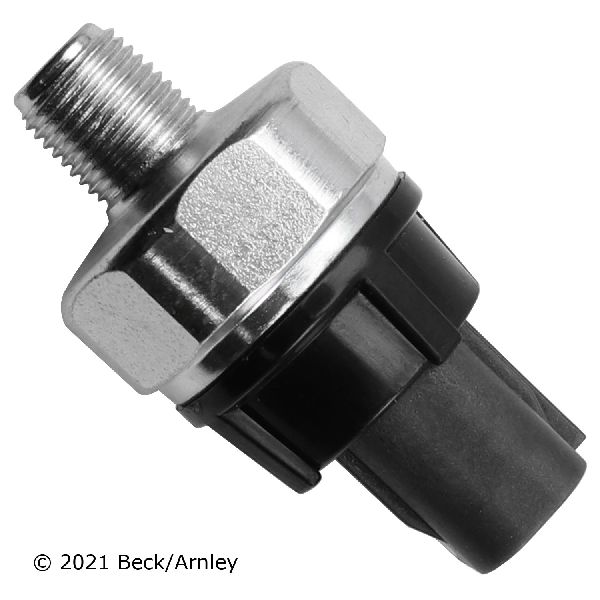
- Quality aftermarket brands like Beck Arnley offer a reliable, cost-effective alternative to the more expensive OEM part for this specific component.
Is Your GS400 Oil Light On? Don't Ignore It.
The oil pressure light is one of the most serious warnings you can see on your dashboard. For the 1998-2000 Lexus GS400, a flickering or illuminated oil light can often be traced back to a faulty engine oil pressure switch. While it's a simple part, its failure can cause a lot of anxiety. This article will help you understand the symptoms, choose a quality aftermarket replacement, and decide if this is a repair you can tackle yourself.
First Things First: Check Your Oil Level
Before assuming the switch is bad, immediately and safely pull over, turn off the engine, and check your oil level. Driving with low oil pressure can quickly destroy your engine. If the oil level is low, top it off and see if the light goes away. If the oil level is correct, the problem is likely a faulty switch or, in more serious cases, a failing oil pump or clogged oil passages.
Symptoms of a Failing Oil Pressure Switch on a GS400
A bad oil pressure switch on the 1UZ-FE engine has a few common symptoms:
- Flickering or Constant Oil Light: The most common sign is the red oil pressure warning light on your dash coming on, especially at idle or after the engine has warmed up. If the light goes off when you rev the engine, it often points to a failing sensor.
- Oil Light On, But Oil Level is Full: If you've confirmed the oil level is correct and the engine sounds normal (no knocking or ticking), the switch is the most likely culprit.
- Visible Oil Leak: The switch itself can fail and leak oil. You may notice oil residue on the sensor body or drips on the under-engine splash shield. A Lexus Technical Service Bulletin (L-SB-0006-20) provides guidance on diagnosing oil leaks, which can originate from a faulty switch seal.
Choosing the Right Aftermarket Oil Pressure Switch
While an OEM part from Lexus (or Toyota) is always a safe bet, quality aftermarket parts can offer significant savings. For a simple switch like this, a reputable aftermarket brand is a very reliable choice. Here’s a look at the available brands:
| Brand Tier | Brands | General Quality & Reputation |
|---|---|---|
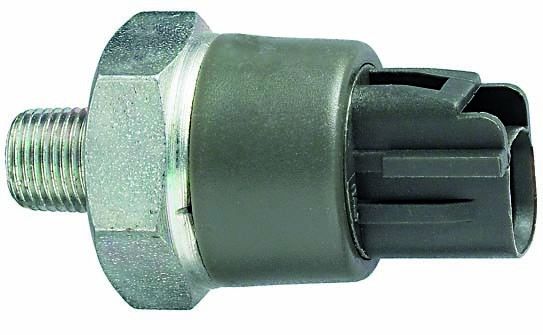
| Better (OE-Style) | Beck Arnley, Facet | Beck Arnley is well-regarded for sourcing parts from OEM suppliers for Japanese vehicles; you may even get an OEM part in their box. Facet is an Italian brand often positioned as an OE-equivalent supplier. These are excellent choices for fit and reliability. |
| Good (Standard Aftermarket) | Standard Ignition (SMP) | Standard Motor Products is a long-standing, major US manufacturer of automotive electronics. They produce reliable parts, though some users have reported occasional premature failures. Generally a solid, mid-tier option. |
| Economy | Holstein, Global Parts, Rostra Powertrain | Holstein offers budget-friendly sensors and has a decent track record for non-critical components. Less is known about the specific quality of Global Parts and Rostra Powertrain for this application, making them more of a value-focused choice. |
OEM vs. Aftermarket for this Part
For the GS400, the original oil pressure switch was made by Denso. Many Lexus owners prefer to stick with OEM or Denso-branded parts for electronics to ensure perfect compatibility. However, given that this is a simple pressure switch and not a complex sensor that communicates with the ECU, a quality aftermarket part from a brand like Beck Arnley is a very safe and cost-effective alternative.
Installation & Replacement Info
Replacing the oil pressure switch on the 1998-2000 GS400 is a manageable DIY job for someone with basic tools and experience working under a car.
- Location: The switch is located on the front of the engine block, on the driver's side, near the crankshaft pulley and alternator. You will need to access it from underneath the vehicle.
- Access: You must first safely raise the front of the vehicle and remove the plastic under-engine splash shields to gain access. The space is tight, but manageable.
- Tools: You will need a special deep socket for oil pressure switches. The size can be either 24mm or 27mm depending on the specific part installed. It's wise to have both on hand. You will also need a ratchet with an extension.
- Process: After disconnecting the battery, unplug the single-wire electrical connector from the switch. Place a drain pan underneath, as a small amount of oil will spill out. Use the deep socket to remove the old switch. Apply thread sealant or Teflon tape to the threads of the new switch (if not pre-applied) and install it, being careful not to overtighten. Reconnect the electrical connector, lower the vehicle, reconnect the battery, and start the engine to check for leaks.
Frequently Asked Questions (FAQ)
Can I still drive my GS400 with the oil light on?
No. You should pull over immediately and shut off the engine. Driving with a true low oil pressure condition can cause severe and irreversible engine damage within minutes. Always verify your oil level before assuming it's just a faulty sensor.
What is the difference between an oil pressure switch and a sender?
A switch (like the one in the GS400) is a simple on/off device that only triggers a warning light at a preset low pressure. A sender or sensor is more complex, providing a variable signal to drive a physical gauge on the dashboard, showing the actual pressure reading. The GS400 does not have a factory oil pressure gauge, only a warning light.
Are there any recalls for the GS400 oil pressure switch?
No, there have been no specific recalls issued by the NHTSA for the engine oil pressure switch on the 1998-2000 Lexus GS400.
Will a bad oil pressure switch cause a Check Engine Light?
No, on the 1UZ-FE engine, the oil pressure switch is a simple circuit connected only to the warning light on the instrument cluster. It does not communicate with the Engine Control Unit (ECU), so it will not trigger a Check Engine Light or store any fault codes.
Do I need to drain the engine oil to replace the switch?
No, a full oil drain is not necessary. However, a small amount of oil will leak out when you remove the old switch, so it's important to have an oil drain pan in place to catch it.
Technical Specifications
OEM Part Numbers: 83530-60020 83530-30090 83530-28020 83530-0E010
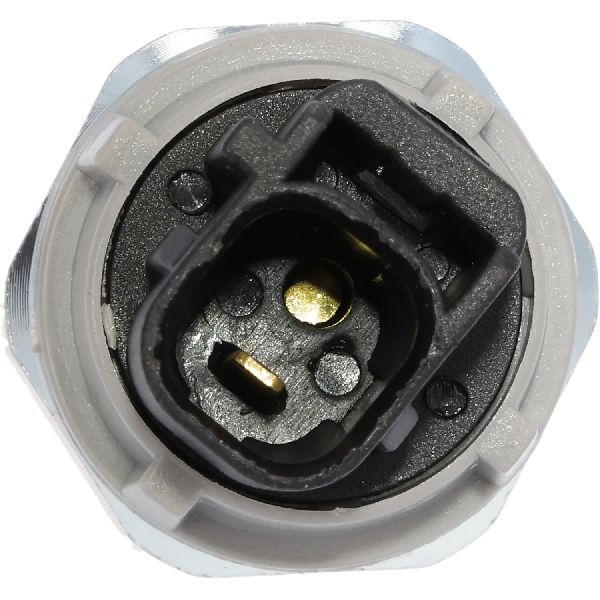
<ul><li>Connector Type: 1-Pin Blade</li><li>Thread Size: M10 x 1.0 or 1/8" BSPT (British Standard Pipe Thread)</li><li>Socket Size: 24mm or 27mm Deep Socket</li></ul>
We Have This Part in Stock


The information in this article is provided for general reference and educational purposes only. Vehicle specifications, procedures, and part compatibility can vary by production date, trim level, and region. Always consult your vehicle's factory service manual and verify part numbers before purchasing or performing repairs. Safety-critical components such as airbags, seat belts, and braking systems should be installed by a qualified professional.
- Lexus GS400:
- 🛍️ Shop This Part
- Is Your GS400 Oil Light On? Don't Ignore It.
- First Things First: Check Your Oil Level
- Symptoms of a Failing Oil Pressure Switch on a GS400
- Choosing the Right Aftermarket Oil Pressure Switch
- OEM vs. Aftermarket for this Part
- Installation & Replacement Info
- Frequently Asked Questions (FAQ)
- 🎟️ Get 5% Off