

Lexus GS400 Oxygen Sensor Guide for 1998-2000 Models
Restore your GS400's fuel economy and engine smoothness by choosing the right oxygen sensor.
- Your GS400 has four oxygen sensors; identify the correct one using the trouble code before buying a replacement.
- Denso is the original manufacturer (OEM) for Lexus and is the most recommended brand for aftermarket replacement to ensure compatibility.
- Avoid very cheap, unbranded sensors as they often cause persistent check engine lights and performance issues on this vehicle.
- A special 7/8" (22mm) oxygen sensor socket is essential for DIY replacement to avoid damaging the part or its wires.
Is Your Check Engine Light On? It Could Be an Oxygen Sensor.
A glowing check engine light is the most common sign of a bad oxygen sensor. When a sensor fails, it can't send the right information to your car's computer. This can lead to poor engine performance and other issues. Ignoring a bad oxygen sensor for too long can potentially damage your expensive catalytic converters.
Symptoms of a Failing Oxygen Sensor in a GS400
- Check Engine Light: The most obvious sign. Codes like P0135, P0155, P0130, or P0150 often point to a sensor issue.
- Worse Gas Mileage: The engine may use more fuel than necessary because it's getting bad data from the sensor.
- Rough Idle or Misfires: The engine might run unevenly or hesitate when you accelerate.
- Failed Emissions Test: A bad sensor will almost always cause your car to fail an emissions inspection.
Choosing the Right Aftermarket Oxygen Sensor
For your Lexus, the brand of oxygen sensor matters. The car's computer is sensitive and expects signals from a specific type of sensor. Using a cheap or incompatible brand can cause the check engine light to stay on, even after replacing the part.
Pro Tip: Stick with the Original Manufacturer
Denso is the company that made the original oxygen sensors for your Lexus GS400. Choosing an aftermarket Denso sensor is the safest bet for a perfect fit and correct operation. It's the same quality as the dealer part without the high price tag.
Brand Quality Tiers for Your GS400
- Tier 1: Recommended
- Denso, NGK (NTK): Denso is the Original Equipment Manufacturer (OEM). Both Denso and NGK/NTK are Japanese brands known for making high-quality sensors that work perfectly with Lexus vehicles. You can't go wrong with these.
- Tier 2: Use with Caution
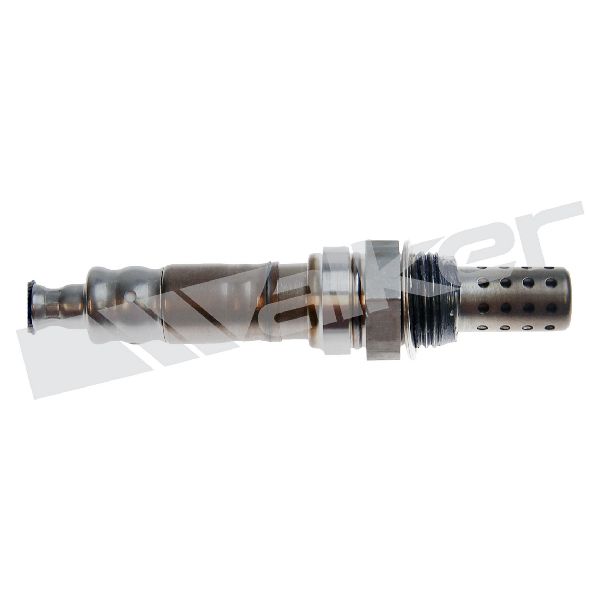
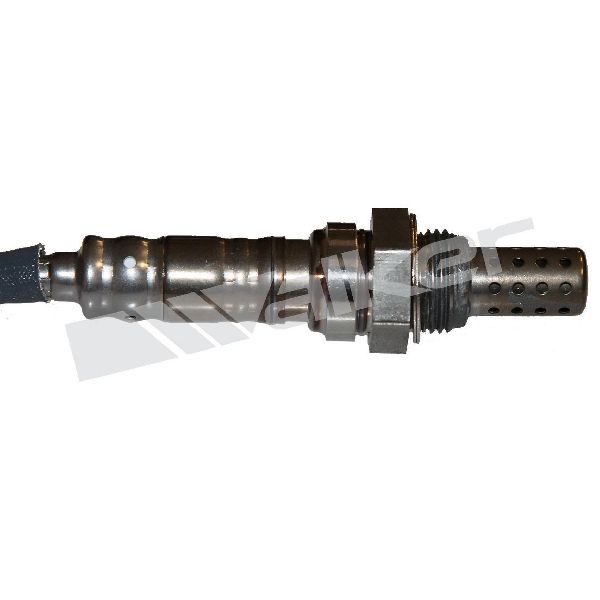
- Bosch, Delphi, Walker Products: While these are big names in auto parts, their sensors can have mixed results on Japanese cars like your Lexus. Some owners report no issues, while others find they don't work as well as Denso or NGK. They might be a decent budget option if Denso isn't available, but it's a bit of a gamble.
- Tier 3: Avoid
- DriveWire, Spectra, and other low-cost generic brands: It is strongly recommended to avoid the cheapest sensors. Forum users report that these often fail quickly or don't work correctly out of the box, leading to persistent check engine lights and wasted time and money.
Known Issues, Recalls, or TSBs
There are no specific recalls or Technical Service Bulletins (TSBs) from Lexus or the NHTSA regarding oxygen sensor failure for the 1998-2000 GS400. Failures are typically due to normal wear and tear over time. Sensors on cars from this era can last over 100,000 miles but will eventually wear out.
Cost to Replace a Lexus GS400 Oxygen Sensor
| Part Type | Price Range (Part Only) |
|---|---|
| New Aftermarket (Recommended Brands) | $60 - $120 |
| New Aftermarket (Budget Brands) | $25 - $55 |
| New OEM (Dealer Price) | $250 - $460+ |
| Shop Labor (Estimate) | $100 - $200 |
Frequently Asked Questions
How many oxygen sensors does my 1998-2000 GS400 have?
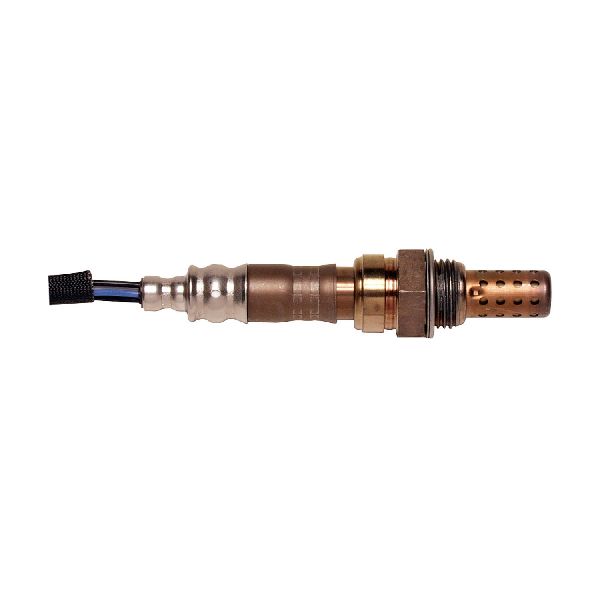
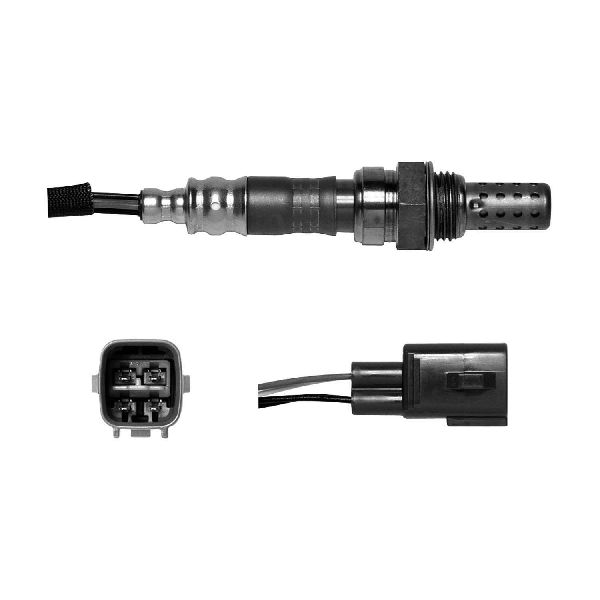
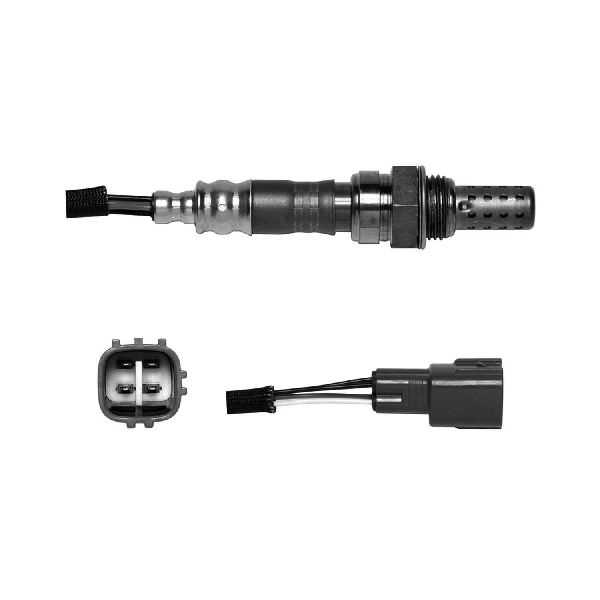
Your GS400 has four oxygen sensors. There are two "upstream" sensors (also called Air/Fuel Ratio sensors) located in the exhaust manifolds before the catalytic converters, and two "downstream" sensors located after the catalytic converters.
What's the difference between upstream and downstream sensors?
Upstream sensors (Sensor 1) are critical for managing how the engine runs, affecting fuel mixture and performance. Downstream sensors (Sensor 2) primarily monitor the health of your catalytic converters. They are different parts and cannot be interchanged.
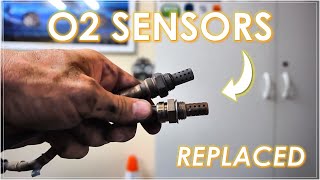
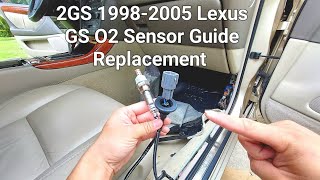
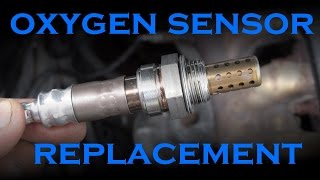
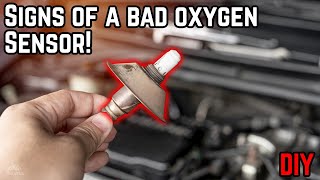
🎬 Watch a complete tutorial on Lexus GS oxygen sensor replacement.Do I need to replace all four sensors at once?
No. You only need to replace the specific sensor that has failed. Your mechanic can read the trouble code (like P0135, which is Bank 1 Sensor 1) to identify exactly which one needs replacement.
What is Bank 1 vs. Bank 2?
On your V8 engine, Bank 1 refers to the side with cylinder #1, which is the driver's side in the US. Bank 2 is the passenger's side. So, "Bank 1, Sensor 2" is the downstream sensor on the driver's side.
Can I install an oxygen sensor myself?
Yes, if you have some mechanical experience. The main challenge is that the sensors can be rusted tight into the exhaust pipe. You will need a special oxygen sensor socket (a 7/8" or 22mm socket with a slit on the side for the wire) to make the job possible. Access can also be tight, especially for the upstream sensors.
🎬 See this walkthrough for replacing your upstream oxygen sensors.Helpful Videos
Technical Specifications
OEM Part Numbers: 89465-50120 89465-50130 89467-41011 89467-41021
The 1998-2000 GS400 uses four sensors: two upstream (Air/Fuel Ratio) and two downstream (Oxygen Sensor). Upstream is Denso part #234-4169. Downstream is Denso part #234-4623. Bank 1 is the driver's side, Bank 2 is the passenger's side.
We Have This Part in Stock


The information in this article is provided for general reference and educational purposes only. Vehicle specifications, procedures, and part compatibility can vary by production date, trim level, and region. Always consult your vehicle's factory service manual and verify part numbers before purchasing or performing repairs. Safety-critical components such as airbags, seat belts, and braking systems should be installed by a qualified professional.
- Lexus GS400:
- 🎬 Helpful Videos
- 🛍️ Shop This Part
- Is Your Check Engine Light On? It Could Be an Oxygen Sensor.
- Symptoms of a Failing Oxygen Sensor in a GS400
- Choosing the Right Aftermarket Oxygen Sensor
- Pro Tip: Stick with the Original Manufacturer
- Brand Quality Tiers for Your GS400
- Known Issues, Recalls, or TSBs
- Cost to Replace a Lexus GS400 Oxygen Sensor
- Frequently Asked Questions
- 🎟️ Get 5% Off