

Lexus GS400 Radiator Replacement Guide (1998-2000)
Keep your GS400's V8 engine cool and prevent overheating by choosing the right replacement radiator.
- The most common failure is a crack in the upper plastic tank; look for leaks and brittle, brown plastic.
- Denso is the OEM supplier; choosing an aftermarket Denso radiator provides OEM quality at a lower price.
- Always replace the radiator cap, thermostat, and upper/lower hoses at the same time for long-term reliability.
- Ensure the replacement radiator has an integrated transmission cooler, as required for all GS400 models.
Is Your GS400 Radiator Failing?
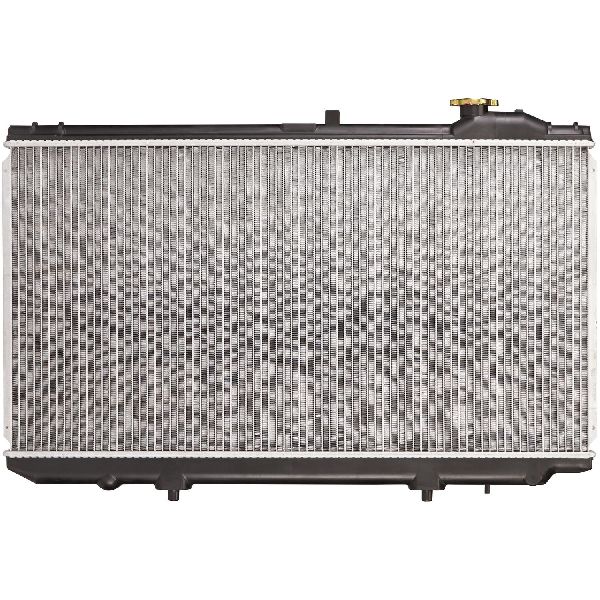
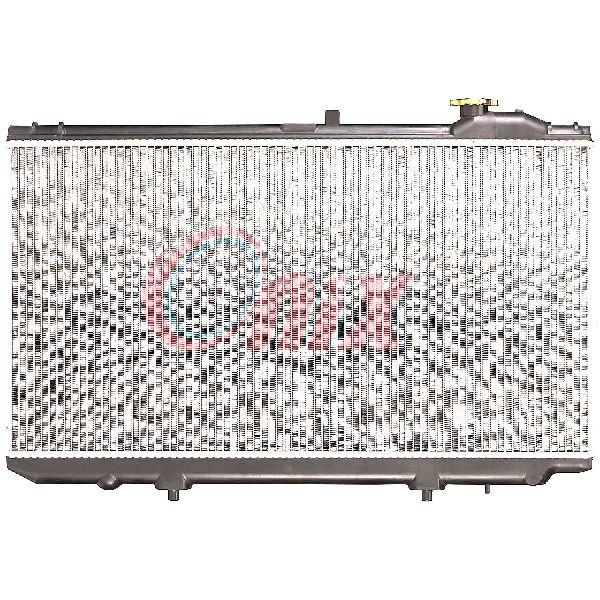
The original radiator in the 1998-2000 Lexus GS400 uses an aluminum core with plastic tanks on the top and bottom. After many years and miles, the plastic becomes brittle from constant heat cycles. The most common failure is a hairline crack developing in the top plastic tank, often near the upper hose connection or the radiator cap neck. When this happens, you'll start to lose coolant and risk overheating.
Key Symptoms of a Bad Radiator:
🎬 Watch: Diagnosing common overheating issues on a GS400- Engine Temperature Gauge Climbing: The needle moving into the red is the most obvious sign of a cooling problem.
- Steam from Under the Hood: If you see steam, it means hot coolant is escaping and turning to vapor. Pull over safely immediately.
- Visible Coolant Leaks: You may find puddles of pink or red fluid under the front of your car after it's been parked.
- Sweet Smell: Leaking coolant has a distinct sweet smell. You might notice it inside or outside the car.
- Low Coolant Level: Frequently needing to add coolant to the overflow tank is a sure sign of a leak.
- Discolored Plastic: The black plastic top tank of the radiator may look brownish and brittle, which is a visual warning that it's near the end of its life.
Critical Warning: Do Not Ignore Overheating
The 1UZ-FE V8 engine in your GS400 is a durable engine, but overheating can cause severe damage, such as a blown head gasket or warped cylinder heads. If your temperature gauge is in the red, stop driving as soon as it is safe to do so.
Choosing the Right Aftermarket Radiator
When your original radiator fails, you have a choice between another dealer part (OEM) or an aftermarket one. For the GS400, the quality of top-tier aftermarket parts is very high, offering a smart way to save money without sacrificing reliability.
OEM vs. Aftermarket Quality
The original radiator was made by Denso. When you buy a Denso-branded aftermarket radiator, you are getting a part made to the same specifications, often for a fraction of the dealer price. Forum members and mechanics widely recommend the aftermarket Denso as the best all-around replacement. Other brands like CSF and Nissens also have a strong reputation for quality and proper fitment. Budget brands may save a few dollars, but they can have issues with cooling efficiency or longevity.
| Tier | Brands | Notes |
|---|---|---|
| Tier 1: OEM-Equivalent | Denso, CSF Radiator, Nissens | Excellent fit and quality, often the original manufacturer. Highly recommended by owners for reliability. |
| Tier 2: Standard Aftermarket | Spectra, APDI, Global Parts | A cost-effective choice for daily driving. Quality is generally good and will restore function, but may not have the same longevity as Tier 1. |
| Tier 3: Economy | Onix, One Stop Solutions | The most budget-friendly options. These will work but may use lighter-weight materials. Best for those on a tight budget where selling the vehicle is in the near future. |
A Note on All-Aluminum Radiators
You may see all-aluminum radiators for sale on sites like eBay. While they eliminate the risk of plastic tank failure, be cautious. Some owners report that these units have poor fitment and don't cool as efficiently as the OEM design, causing the cooling fans to run more often. Most also do not include the necessary integrated transmission fluid cooler, requiring you to install a separate one. For most owners, a high-quality OEM-style radiator from a brand like Denso is the more reliable choice.
🎬 See this step-by-step radiator swap for Lexus V8 modelsFrequently Asked Questions (FAQ)
Are there any recalls on the 1998-2000 GS400 radiator?
No, there are no safety recalls or common Technical Service Bulletins (TSBs) issued by Lexus or the NHTSA for radiator failure on the 1998-2000 Lexus GS400. Failures are typically due to the age and mileage of the vehicle.
Do I need a special radiator for an automatic transmission?
Yes. All 1998-2000 Lexus GS400 models have an automatic transmission. The radiator has a built-in cooler for the transmission fluid, with two small ports on the bottom tank. You must ensure your replacement radiator has this integrated cooler.
What else should I replace with the radiator?
It is highly recommended to replace the upper and lower radiator hoses, the thermostat, and the radiator cap at the same time. These parts are inexpensive and wear out on a similar timeline. Replacing them all at once saves you from having to do the job again in the near future.
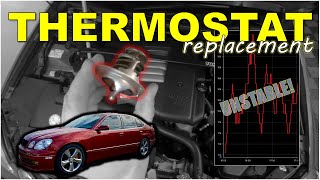
🎬 Watch: How to replace your thermostat and bleed the systemWhat type of coolant should I use for my GS400?
Use a high-quality Asian vehicle Phosphate-based Hybrid Organic Acid Technology (P-HOAT) coolant, which is typically pink or red. The original Toyota Red Long Life coolant is an excellent choice. Using the correct coolant is critical for preventing corrosion inside the engine and new radiator.
Helpful Videos
Technical Specifications
OEM Part Numbers: 16400-50200
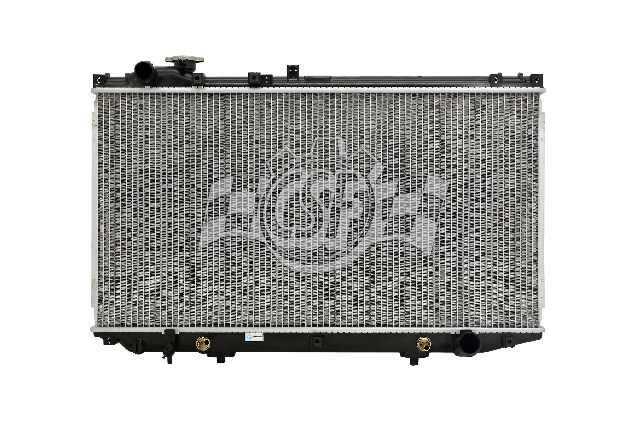
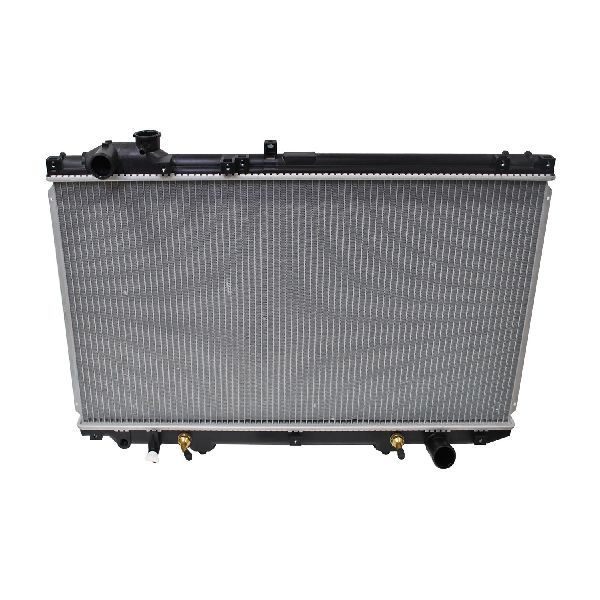
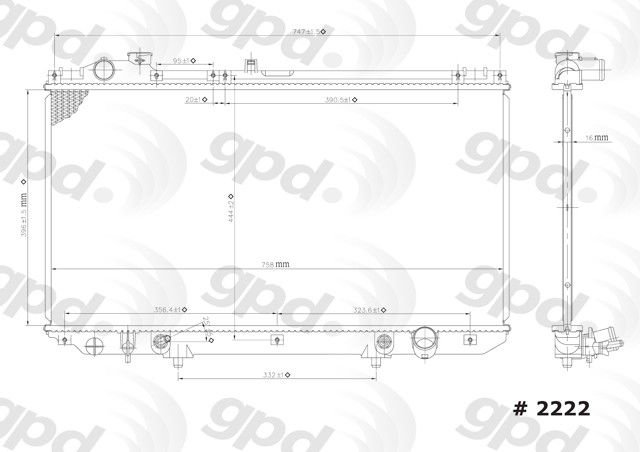
Core Material: Aluminum, Tank Material: Plastic, Rows: 1, Includes integrated transmission oil cooler. Approximate Core Dimensions: 29.45 in. x 15.75 in. x 0.63 in.
We Have This Part in Stock


The information in this article is provided for general reference and educational purposes only. Vehicle specifications, procedures, and part compatibility can vary by production date, trim level, and region. Always consult your vehicle's factory service manual and verify part numbers before purchasing or performing repairs. Safety-critical components such as airbags, seat belts, and braking systems should be installed by a qualified professional.
- Lexus GS400: