

Lexus SC300 Automatic Transmission Input Speed Sensor Guide (1998-2000)
Solve erratic shifting and Check Engine lights on your SC300 by understanding this critical sensor.
- A bad input speed sensor is a common cause of harsh shifting and a P0715 code on the 1998-2000 SC300.
- Replacement is simple and accessible on the outside of the transmission, making it a good DIY task for many owners.
- High-quality aftermarket brands like NGK/NTK and Standard Ignition offer reliable performance at a much lower cost than OEM parts.
- Do not confuse the input sensor with the output sensor; they are different parts and are not interchangeable.
Is Your SC300 Shifting Harshly? The Input Speed Sensor May Be the Cause
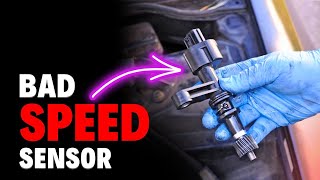
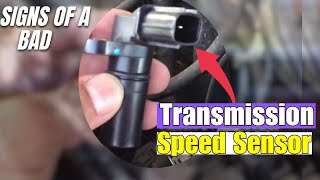
If you own a 1998-2000 Lexus SC300, you have the more modern 5-speed automatic transmission (A650E). While this is a robust unit, its electronic sensors can fail over time. A common failure point is the automatic transmission input shaft speed sensor. When this sensor goes bad, it can cause a number of noticeable problems that can make your car feel unreliable. The most common sign 🎬 See this breakdown of common symptoms and typical replacement costs. is a Check Engine Light accompanied by harsh, delayed, or unpredictable gear shifts. Your car might feel like it's slamming into gear or getting stuck in one gear for too long. This is because the transmission's computer is missing the key data it needs to shift smoothly.
Input vs. Output Sensors
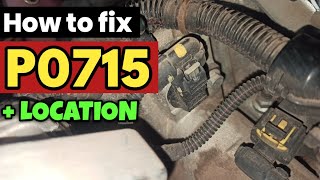
Your transmission has two main speed sensors: an input sensor (the subject of this article) and an output sensor. They are not the same part. The input sensor (or turbine sensor) measures the speed of the shaft coming from the engine. The output sensor measures the speed of the shaft going to the wheels. A P0715 code specifically points to a problem with the input sensor circuit. 🎬 Watch: Understanding the P0715 code and how it affects your car. Make sure you are ordering the correct part for your diagnosis.
Choosing the Right Aftermarket Sensor
For a critical electronic part on a Lexus, many owners default to expensive OEM parts from the dealer. However, for a simple magnetic sensor like this, high-quality aftermarket parts offer excellent reliability at a much lower cost. For the 1998-2000 SC300, you can trust top-tier aftermarket brands that have a long history of making electronic components.
- NGK (NTK): NGK, widely known for spark plugs, produces a line of high-quality sensors under their NTK brand. They are often an original equipment supplier for many Japanese automakers and are known for their quality and durability.
- Standard Ignition (SMP): Standard Motor Products is a well-respected American company that has been making quality automotive electronics for decades. Their parts are a reliable and cost-effective alternative to the OEM sensor.
For this specific part, both NGK and Standard Ignition are solid choices that can restore your transmission's performance without the high cost of an OEM part. There is no significant quality difference for this component that justifies the higher dealer price for a car of this age.
Cost of Replacing the Input Speed Sensor
The input speed sensor is located on the outside of the transmission housing, making it relatively easy to access and replace. This keeps labor costs low if you take it to a shop.
| Part or Service | Estimated Cost |
|---|---|
| New OEM Sensor | $90 - $130 |
| New Aftermarket Sensor (NGK, Standard Ignition) | $68 - $77 |
| Shop Labor | $70 - $140 |
| Total Estimated Job Cost (Aftermarket) | $138 - $217 |
Frequently Asked Questions
Can I replace the input speed sensor myself?
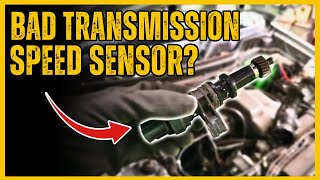
Yes, this is a very DIY-friendly job for most home mechanics. The sensor is located on the driver's side of the transmission housing and is held in by a single 10mm bolt. You will need to safely lift the vehicle, disconnect the electrical connector, remove the bolt, and swap the old sensor for the new one. 🎬 Watch: A helpful walkthrough of the Lexus speed sensor repair process. A small amount of transmission fluid may leak out, so have a rag ready.
Where is the input speed sensor located on the 1998-2000 SC300?
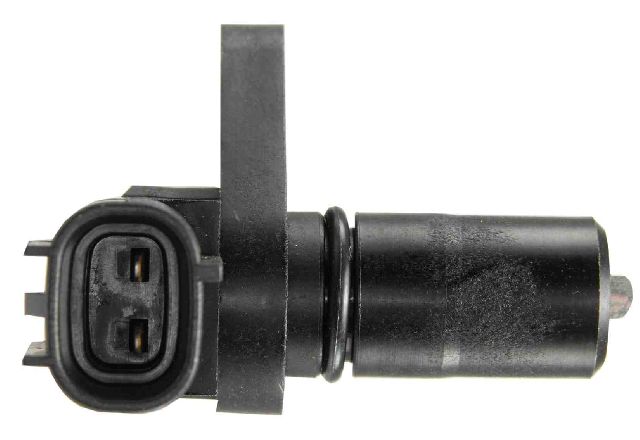
It is on the driver's side of the A650E transmission, on the exterior of the case, closer to the engine than the output sensor. It is a small black sensor with a wiring connector, held in place by one bolt.
Are there any recalls or TSBs for this sensor?
No. A search of the National Highway Traffic Safety Administration (NHTSA) database shows no recalls or technical service bulletins (TSBs) specifically for the transmission speed sensors on the 1998-2000 Lexus SC300.
Will a bad sensor damage my transmission?
While it won't cause immediate catastrophic failure, driving for a long time with a bad sensor is not recommended. The resulting harsh shifting puts extra stress on internal transmission components like clutches and bands, which can accelerate wear and lead to more expensive repairs down the road.
Helpful Videos



Technical Specifications
OEM Part Numbers: 89413-24010
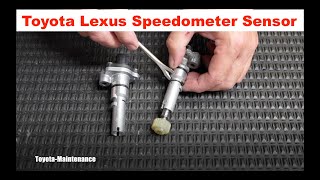
This is a magnetic sensor that generates a signal based on the rotation of a toothed wheel on the transmission's input shaft. It is located on the exterior of the A650E transmission case and is secured by a single bolt.
We Have This Part in Stock


The information in this article is provided for general reference and educational purposes only. Vehicle specifications, procedures, and part compatibility can vary by production date, trim level, and region. Always consult your vehicle's factory service manual and verify part numbers before purchasing or performing repairs. Safety-critical components such as airbags, seat belts, and braking systems should be installed by a qualified professional.
- Lexus SC300: