

Guide to 1998-2000 Volvo S70 Intercooler Hose Replacement
Restore your S70's turbo performance by fixing common intercooler hose problems.
- A failed intercooler hose on an S70 turbo causes significant power loss and hissing sounds.
- Original rubber hoses get soft and crack with age; inspect them for oil saturation and weakness.
- Upgrading to a multi-ply silicone hose from a brand like Mishimoto is a popular and durable long-term fix.
- Replacing an intercooler hose is a simple DIY job for most owners, requiring only basic hand tools.
Is Your S70 Feeling Sluggish? Check the Hoses.
The original rubber intercooler hoses on the 1998-2000 Volvo S70 are known to fail over time. Decades of heat, pressure, and exposure to oil vapor from the crankcase ventilation system cause the rubber to become soft, swollen, or brittle. A hose that is soft can collapse under vacuum or balloon under pressure, causing inconsistent power delivery. A hose that is cracked or has a hole will create a "boost leak," letting the pressurized air escape before it reaches the engine. This leads to a noticeable loss of power, poor fuel economy, and other symptoms.
Choosing the Right Aftermarket Intercooler Hose
When replacing a failed hose, you have several aftermarket options. Since these cars are older, the original hoses are prone to failure, and upgrading is a popular choice for long-term reliability.
Aftermarket Brand Tiers
| Tier | Brands | Description |
|---|---|---|
| Performance / Upgrade | Mishimoto | Mishimoto specializes in multi-layer, heat-resistant silicone hoses. These are a significant upgrade over the stock rubber hoses, offering much better durability against heat and pressure. They are less likely to crack or balloon and often come with a lifetime warranty, making them a great long-term solution. |
| Standard Replacement | Gates | Gates is a highly respected manufacturer of rubber automotive parts. A Gates hose will be a reliable, direct replacement that meets or exceeds the quality of the original factory hose. It's a solid choice if you want to restore original performance without the higher cost of silicone. |
| Economy | URO Parts, Vaico | Brands like URO Parts and Vaico offer the most budget-friendly options. However, owner experiences with budget rubber parts can be mixed, with some reports of poor fitment or premature failure. While they can get the car back on the road, they may not have the same lifespan as a standard or performance-tier part. |
Common Ordering Mistake
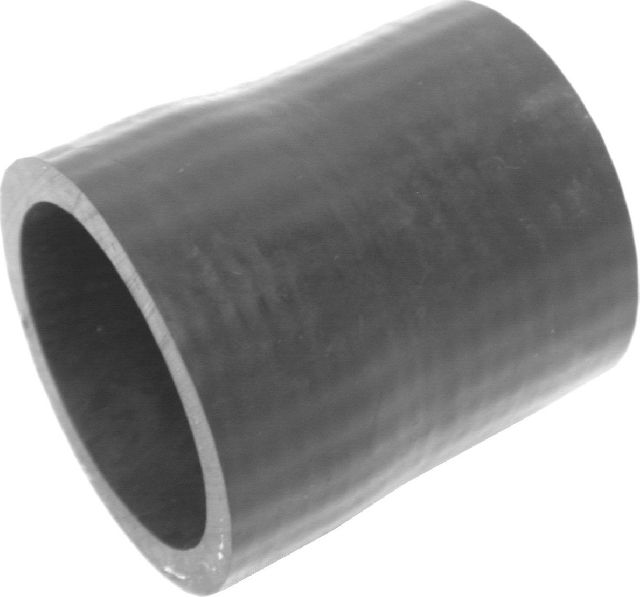
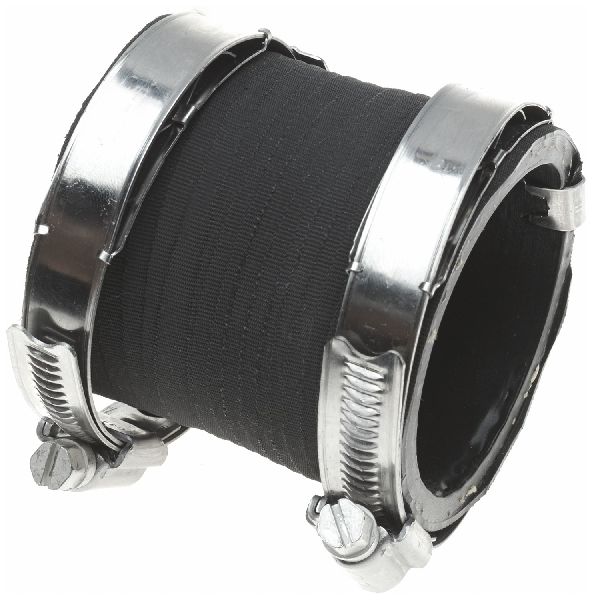
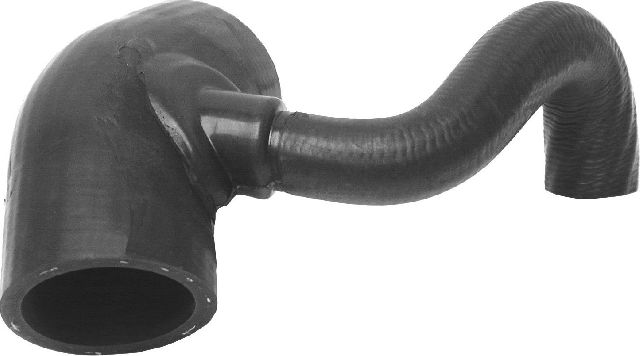
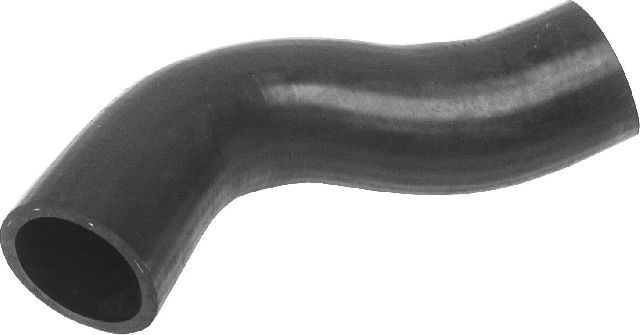
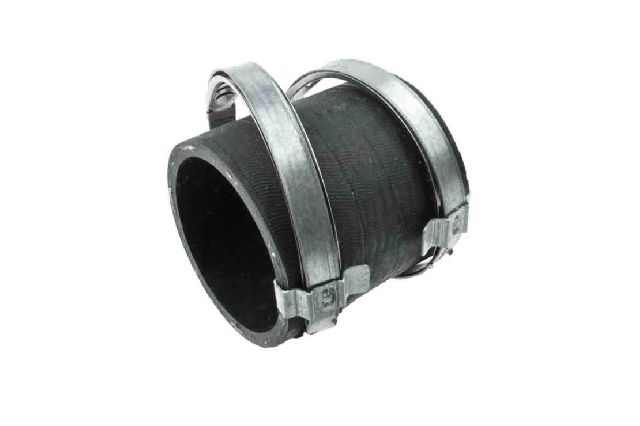
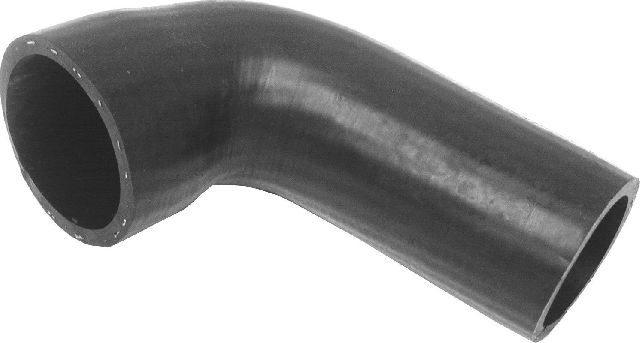
The 1998-2000 Volvo S70 has multiple intercooler hoses in its system. Before ordering, identify exactly which hose has failed. They are not interchangeable. Visually inspect the engine bay to locate the split or damaged hose and match it to product photos and diagrams to ensure you order the correct part for your specific engine (GLT or T5).
Frequently Asked Questions (FAQ)
Can I drive with a bad intercooler hose?
You can drive the car, but it is not recommended for an extended period. You will experience poor engine performance, reduced fuel economy, and potentially black smoke from the exhaust. Driving with a major leak forces the turbocharger to work harder to compensate for the lost pressure, which can cause extra strain and potential damage to the turbo itself.
Why are silicone hoses considered an upgrade?
Silicone hoses are a popular upgrade because they are made of multiple layers of silicone and heat-resistant fibers. This construction makes them much more resistant to high temperatures and pressures than the original single-ply rubber hoses. They do not crack, harden, or get soft and oily like rubber hoses, providing a more reliable and longer-lasting solution.
Why is there oil in my intercooler hoses?
A light coating of oil inside the intercooler hoses is normal for the Volvo S70. This oil comes from the Positive Crankcase Ventilation (PCV) system, which routes oil vapors from the engine's crankcase back into the intake. However, if you find a large amount of pooled oil, it could be a sign of a failing PCV system or worn turbo seals, which should be inspected.
Do I need to replace the hose clamps?
It is highly recommended to replace the hose clamps when you replace the hoses. Old clamps can lose their tension or become corroded. New, high-quality clamps will ensure a tight, leak-free seal. Some silicone hose kits, like those from Mishimoto, include new T-bolt style clamps which provide superior clamping force.
Technical Specifications
OEM Part Numbers: 9161092
This guide applies to the turbocharged GLT and T5 models of the 1998-2000 Volvo S70. Hoses are typically made from reinforced rubber or silicone. The system consists of multiple hoses connecting the turbocharger, intercooler, and throttle body. No specific recalls or TSBs were found for intercooler hoses on this model, but age-related failure is a very common and well-documented issue among owners.
We Have This Part in Stock

The information in this article is provided for general reference and educational purposes only. Vehicle specifications, procedures, and part compatibility can vary by production date, trim level, and region. Always consult your vehicle's factory service manual and verify part numbers before purchasing or performing repairs. Safety-critical components such as airbags, seat belts, and braking systems should be installed by a qualified professional.
- Volvo S70: