

Engine Coolant Bypass Hose: A Guide for the 1998-2001 Chevrolet Metro
Leaking coolant or notice a sweet smell? Your Metro's engine coolant bypass hose might be the culprit.
- A leaking coolant bypass hose is a serious issue that can lead to engine overheating and should be fixed immediately.
- High-quality aftermarket hoses from brands like Gates or Continental are excellent, cost-effective choices for this repair.
- Always use a pre-molded hose made for your specific Metro engine (1.0L or 1.3L) to prevent kinks and ensure proper coolant flow.
- Replacing the hose clamps at the same time as the hose is a cheap and effective way to prevent future leaks.
Signs of a Failing Coolant Bypass Hose
Coolant hoses are made of rubber and break down over time due to constant heat and pressure. A failure in the bypass hose can lead to coolant loss and potential engine damage. Here are the common symptoms to watch for:
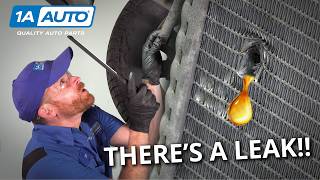
- Coolant Leaks: This is the most obvious sign. You may see puddles of green or pink fluid under your car, especially towards the front of the engine. A failing hose or a loose clamp is a very common cause of leaks on the Metro.
- Sweet Smell: Leaking coolant (antifreeze) has a distinct sweet odor. If you smell this around your car, especially after driving, it's a strong sign of a leak.
- Engine Overheating: A significant leak will lower the coolant level, causing your engine to run hot. Keep an eye on the temperature gauge; if it starts climbing into the red, pull over as soon as it's safe.
- Visible Hose Damage: Pop the hood and inspect the hoses. Look for cracks, bulges, soft or spongy spots, or connections that are brittle and crumbling. Sometimes you'll see a white, crusty residue around a leak point.
Choosing the Right Aftermarket Bypass Hose
For a vehicle like the Chevrolet Metro, original GM parts are often discontinued and hard to find. Fortunately, high-quality aftermarket brands provide reliable and affordable replacements. For a simple rubber part like a hose, a reputable aftermarket option is a smart choice.
Brand Quality Tiers
| Top-Tier Aftermarket (Continental, Gates) | These brands are major manufacturers that often supply the original parts for new cars. Their aftermarket hoses are known for excellent quality, fit, and durability. Many professional mechanics trust and prefer Gates for its fit and quality. 🎬 See why mechanics prefer Gates hoses for reliable repairs You can install these with confidence. |
| OEM (Original Equipment Manufacturer) | Genuine GM parts for this model, like part number 91175113 for the 1.3L engine, are generally discontinued. If you can find one, it will likely be expensive and is not necessary for a reliable repair. |
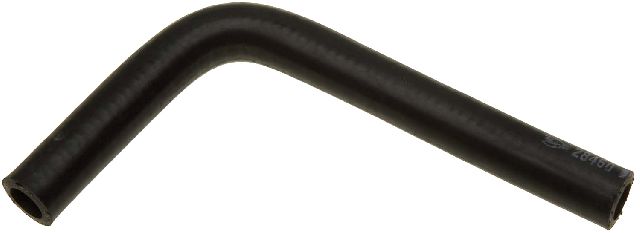
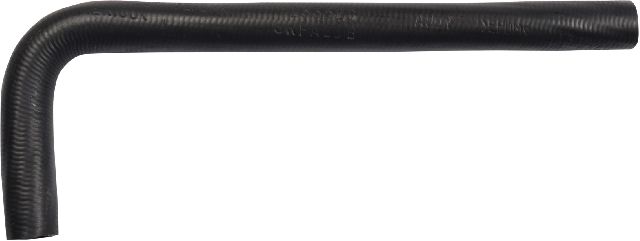
Pro Tip: Always buy a pre-molded hose. Do not use a straight piece of bulk hose. The bypass hose for your Metro has specific bends to route it correctly around other engine parts. Using a straight hose can cause it to kink, restricting coolant flow and leading to overheating.
Cost of Replacing the Engine Coolant Bypass Hose
| Part/Service | Estimated Cost |
|---|---|
| New Aftermarket Part | $11.35 - $93.11 |
| Shop Labor | $60 - $110 |
| Total Estimated Cost (At a Shop) | $71 - $203 |
Frequently Asked Questions (FAQ)
Can I drive with a leaking coolant bypass hose?
No. A coolant leak can quickly lead to overheating, which can cause severe and expensive engine damage, such as a warped cylinder head or a blown head gasket. It is not safe to drive the vehicle.
🎬 Learn how to fix common coolant leaks yourselfShould I replace the hose clamps too?
Yes, it is highly recommended. Old hose clamps can lose their tension over time and may not create a proper seal, even with a new hose. New clamps are inexpensive and are crucial for a leak-free repair.
Is this a difficult job to do myself?
For most people with basic tools, this is a very manageable DIY job. Access on the Metro's small engine is generally good. The main steps involve draining some coolant, removing the old hose and clamps, and installing the new ones. The biggest challenge is ensuring the cooling system is refilled and properly "burped" to remove any air pockets.
🎬 Watch a step-by-step guide on replacing a bypass hoseDo I need to buy a specific hose for my 1.0L or 1.3L engine?
Yes. The 1.0L 3-cylinder and 1.3L 4-cylinder engines may use differently shaped hoses. Always confirm that the part you are buying is listed as a direct fit for your specific year and engine size to ensure it installs correctly without kinking.
Helpful Videos

Technical Specifications
OEM Part Numbers: 91175113
The most important specification is the pre-molded shape, which is specific to the 1.0L or 1.3L engine. The hose must be made from a durable, heat-resistant rubber like EPDM. End inside diameters are typically around 0.97 inches (25mm).
We Have This Part in Stock


The information in this article is provided for general reference and educational purposes only. Vehicle specifications, procedures, and part compatibility can vary by production date, trim level, and region. Always consult your vehicle's factory service manual and verify part numbers before purchasing or performing repairs. Safety-critical components such as airbags, seat belts, and braking systems should be installed by a qualified professional.
- Chevrolet Metro: