

A/C Accumulator Replacement Guide for the 1998-2001 Mazda B2500
If your truck's A/C is blowing warm, the accumulator is a common problem; here's what you need to know before you buy a new one.
- You must replace the accumulator any time the A/C system is opened to prevent moisture contamination and to validate the warranty on other new parts like the compressor.
- The 1998-2001 Mazda B2500 is a rebadged Ford Ranger; Motorcraft is the OEM parts brand, while Four Seasons and Spectra are reliable aftermarket alternatives.
- A professional shop must evacuate the refrigerant before you begin work and vacuum/recharge the system after you are done. It is illegal to release refrigerant into the air.
- Always replace the A/C orifice tube at the same time as the accumulator for a complete and lasting repair.
Is Your B2500's A/C Accumulator Failing?
The accumulator is a hard-working part that can fail over time. The metal canister can rust and develop leaks, or the desiccant material inside can become saturated and stop absorbing moisture. If you notice any of the following symptoms, it's time to inspect your A/C system.
Symptoms of a Bad A/C Accumulator
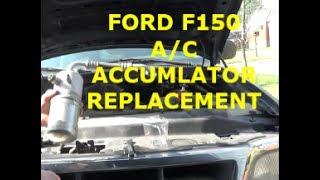
- Weak or No Cooling: This is the most common sign. A clogged or saturated accumulator can't manage refrigerant flow correctly, leading to warm air from the vents. 🎬 Check out this guide for troubleshooting intermittent A/C cooling issues.
- Visible Refrigerant Leaks: The accumulator is known to rust out and develop pinhole leaks. You might see a greasy, oily residue on the canister or on the ground underneath it. This is the PAG oil that circulates with the refrigerant.
- Rattling Noises: If you hear rattling from the engine bay when the A/C is on, it could mean the desiccant bag or internal baffles inside the accumulator have broken apart. This is serious, as debris can travel through the system and cause more damage.
- Musty Smell: A failing accumulator that allows moisture into the system can lead to mold and mildew growth, causing a musty smell from your vents.
Critical Replacement Rule
The A/C accumulator is a mandatory replacement item. Any time the A/C system is opened to the air—for example, to replace a compressor or a hose—the accumulator must also be replaced. The desiccant inside absorbs moisture from the atmosphere immediately. Reusing an old accumulator will trap this moisture in the system, leading to corrosion and the rapid failure of other components. Most warranties for new A/C compressors require a new accumulator and orifice tube to be installed at the same time.
Choosing the Right Aftermarket Accumulator
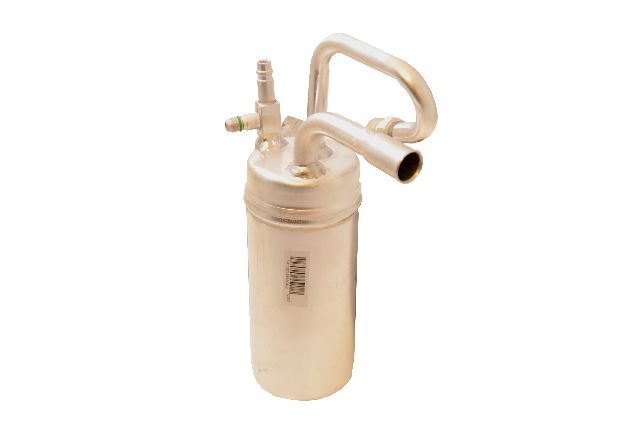
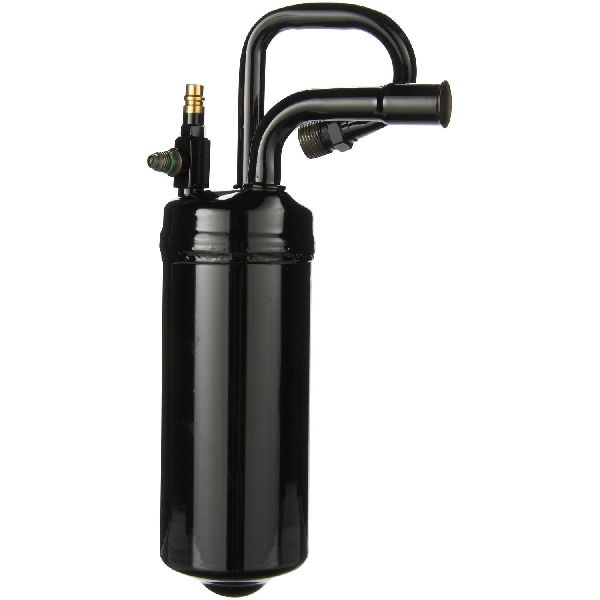
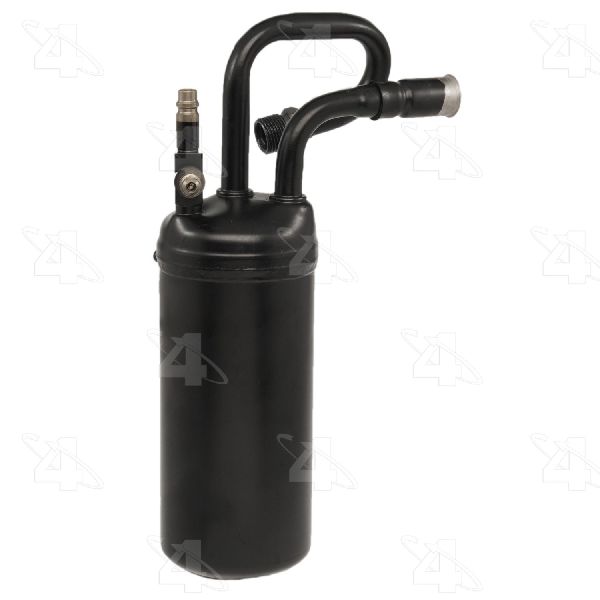
For a 1998-2001 Mazda B2500, you have several good options for a new accumulator. Since the B2500 is a rebadged Ford Ranger, the OEM part is from Motorcraft. Aftermarket brands offer a range of quality and price points.
| Brand Tier | Brands | Quality & Fitment |
|---|---|---|
| Tier 1: OEM | Motorcraft | As the original equipment manufacturer for Ford/Mazda, Motorcraft parts guarantee a perfect fit and performance identical to the original. They are the most reliable, but also the most expensive, choice. |
| Tier 2: Premium Aftermarket | Four Seasons, Spectra | These brands are well-respected and used by many professional mechanics. They are designed to meet or exceed original specifications and are known for quality construction. Some forum users note that for simple components like accumulators, Four Seasons is a reliable choice and may even be identical to the Motorcraft part, just with a different sticker. |
| Tier 3: Budget Aftermarket | Global Parts (GPD), UAC | These brands provide a cost-effective solution. They are widely available and will get the job done, though they may not have the same long-term durability or precise finish as the premium brands. |
Don't Forget the Orifice Tube!
While you're replacing the accumulator, you must also replace the A/C orifice tube. It's a small, inexpensive filter that is also a critical wear item. A clogged orifice tube can cause the same cooling problems as a bad accumulator. Replacing both at the same time is standard procedure for a lasting repair.
Frequently Asked Questions (FAQ)
Can I replace the A/C accumulator myself?
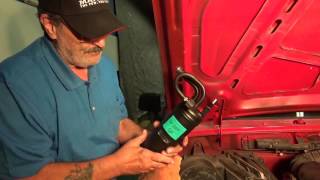
The physical replacement is straightforward for a DIYer 🎬 Watch this video for a quick B-Series accumulator replacement walkthrough. with the right tools, but handling refrigerant requires professional equipment. It is illegal to vent refrigerant into the atmosphere. The proper procedure is to have a shop evacuate the system, you replace the parts at home, and then return to the shop to have the system vacuum-tested and recharged.
What special tools are needed to replace the accumulator?
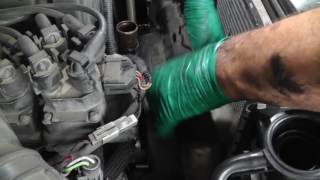
You will need a set of A/C spring-lock or quick-disconnect tools to separate the refrigerant lines 🎬 See how to properly remove A/C components and disconnect lines. from the accumulator. These are inexpensive and available at any auto parts store. The lines can sometimes be stuck, requiring some wiggling and patience to disconnect.
Does the new accumulator come with oil?
No, new accumulators are shipped dry. You must add the correct type and amount of PAG oil to the new accumulator before installation. The specific amount needed depends on which components you are replacing, so always check the service manual for your truck's A/C system capacities.
Were there any recalls for the 1998-2001 B2500 A/C accumulator?
No, searches of NHTSA data and technical service bulletins (TSBs) did not find any specific recalls or widespread issues related to the A/C accumulator for the 1998-2001 Mazda B2500 or its twin, the Ford Ranger. Any related TSBs for Mazda vehicles were for different models and components, such as cracked A/C lines or software issues on much newer vehicles.
Helpful Videos
Technical Specifications
OEM Part Numbers: YF-2620
The A/C system on the 1998-2001 Mazda B2500 is a fixed orifice tube (FOT) design, which requires an accumulator. It is not compatible with receiver-drier units found on expansion valve (TXV) systems.
We Have This Part in Stock


The information in this article is provided for general reference and educational purposes only. Vehicle specifications, procedures, and part compatibility can vary by production date, trim level, and region. Always consult your vehicle's factory service manual and verify part numbers before purchasing or performing repairs. Safety-critical components such as airbags, seat belts, and braking systems should be installed by a qualified professional.
- Mazda B2500: