

1998-2001 Mazda B2500 Engine Coolant Temperature Sensor: A Complete Guide
Poor gas mileage or a check engine light on your B2500 could point to this simple, but critical, sensor.
- A bad ECT sensor commonly causes poor fuel economy, black exhaust smoke, and a Check Engine Light with codes P0117, P0118, or P0125.
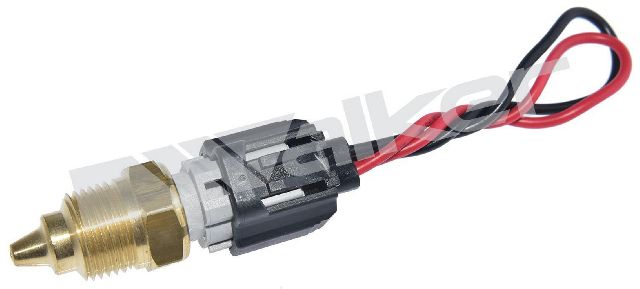
- Your truck has two sensors on the thermostat housing; ensure you are replacing the two-wire ECT sensor for the computer, not the single-wire sender for the gauge.
- Replacement is a simple DIY job that takes less than an hour with basic tools.
- For this truck, a quality aftermarket brand like Standard Ignition or Walker Products offers a reliable and cost-effective repair.
Is Your B2500's Coolant Sensor Failing?
A failing Engine Coolant Temperature (ECT) sensor can cause a surprising number of problems that might not seem related to the cooling system at first. Because the sensor's reading directly impacts how much fuel the engine gets, a bad sensor can make your truck run too rich (too much fuel) or too lean (not enough fuel).
Common Symptoms of a Bad ECT Sensor:
- Check Engine Light: This is often the first sign. The computer will log fault codes like P0117, P0118, or P0125.
- Poor Fuel Economy: If the sensor is stuck reading "cold," the computer will continuously dump extra fuel into the engine, drastically reducing your MPG.
- Black Smoke from Exhaust: This is a direct result of the engine running too rich. The black smoke is unburned fuel.
- Engine Overheating or Erratic Gauge: A sensor that fails by sending a false "hot" signal can cause performance issues, while one that fails to report overheating can lead to serious engine damage.
- Rough Idle and Hard Starts: The wrong fuel mixture makes it difficult for the engine to run smoothly, especially when it's cold.
Sensor vs. Sender: A Critical Difference
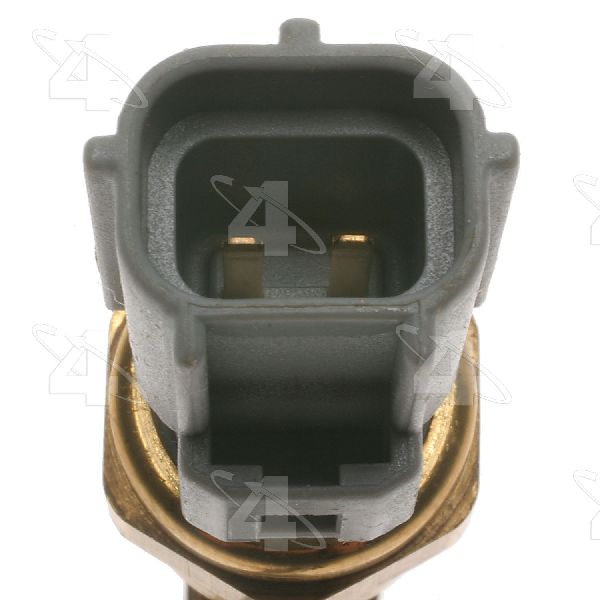
Your 1998-2001 B2500's 2.5L engine has two temperature units on the thermostat housing. One is the ECT Sensor (usually a two-wire connector) which talks to the engine computer and affects performance. The other is the Temperature Sender (often a one-wire connector) which only operates the temperature gauge on your dashboard. Before ordering, make sure you are replacing the correct part. This guide is for the ECT Sensor that affects engine performance and triggers the check engine light.
Choosing the Right Aftermarket Sensor
For a vehicle like the 1998-2001 B2500, a quality aftermarket sensor provides a great balance of reliability and value. You don't necessarily need to pay dealership prices for an OEM part. However, not all aftermarket brands are created equal. They can be grouped into tiers.
| Brand Tier | Brands | General Assessment |
|---|---|---|
| Premium Aftermarket | Standard Ignition (SMP), Walker Products | These brands have a long-standing reputation for producing reliable, OE-quality parts. They are trusted by professional mechanics and are an excellent choice for a dependable repair. |
| Standard / Economy | Four Seasons, Motorad, Global Parts, True Tech | These brands offer a functional replacement at a lower cost. They can be a good option for budget-conscious repairs, but may not have the same long-term track record as premium brands for this specific component. |
| Budget-Focused | Holstein | While offering an attractive price and warranty, real-world feedback from forums suggests a higher risk of premature failure or being defective out of the box for some of their electronic parts. This may be a case of getting what you pay for. |
Pro Tip: Consider the Thermostat
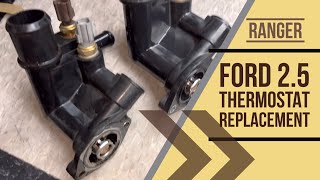
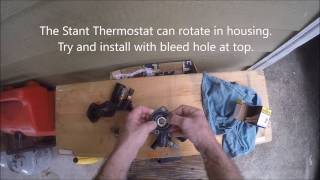
The ECT sensor is located right on the thermostat housing. Since you'll be working in that area, it's a perfect time to replace your thermostat if it's old. A thermostat that is stuck open is a common cause of the P0125 trouble code. Replacing both at the same time can save you from having to do a similar job twice.
🎬 See this walkthrough for replacing the thermostat while you're there.Frequently Asked Questions
Where is the ECT sensor located on a 1998-2001 Mazda B2500?
The sensor is screwed into the top of the engine coolant thermostat housing. This is located at the front of the engine where the upper radiator hose connects.
Do I need to drain the coolant to replace the sensor?
Yes, you should drain some coolant from the radiator before removing the old sensor. If you don't, coolant will spill out of the housing when the sensor is removed. You only need to drain enough so the coolant level is below the sensor's position.
Can I test my old ECT sensor?
Yes, you can test it with a multimeter. A technician would check the sensor's resistance at different temperatures to see if it matches the manufacturer's specifications. You can also use an OBD-II scanner to watch the live data from the sensor as the engine warms up; the temperature reading should climb smoothly without any sudden jumps or dropouts.
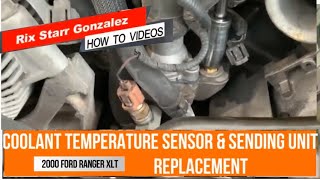
🎬 Watch: How to test your sensor and fix P0117/P0118 codes.Are there any recalls for the B2500 coolant sensor?
Based on searches of the NHTSA database, there are no specific recalls for the engine coolant temperature sensor on the 1998-2001 Mazda B2500.
Helpful Videos

Technical Specifications
OEM Part Numbers: ZZM2-18-707 3F1Z-12A648-A GY01-18-510
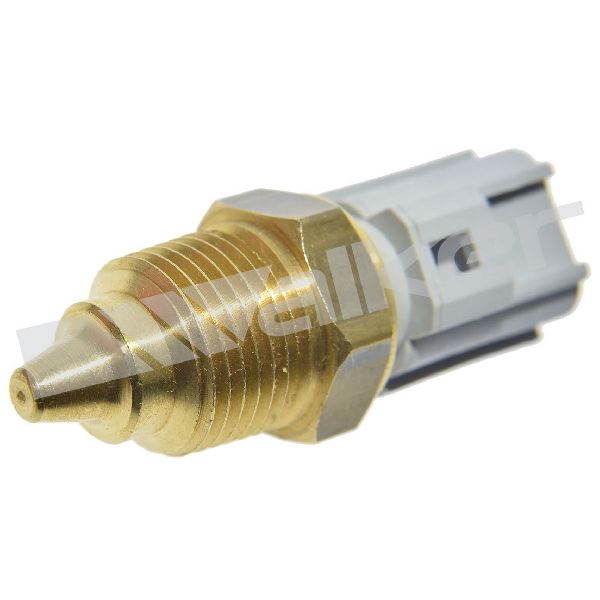
Location: Engine Thermostat Housing. Type: 2-wire thermistor sensor for PCM input.
We Have This Part in Stock


The information in this article is provided for general reference and educational purposes only. Vehicle specifications, procedures, and part compatibility can vary by production date, trim level, and region. Always consult your vehicle's factory service manual and verify part numbers before purchasing or performing repairs. Safety-critical components such as airbags, seat belts, and braking systems should be installed by a qualified professional.
- Mazda B2500: