

Chevrolet Prizm Camshaft Position Sensor Guide for 1998-2002 Models
Fixing stalling, rough idle, and starting problems on your 1998-2002 Chevrolet Prizm often starts with this simple sensor.
- Your 1998-2002 Prizm is a rebadged Toyota Corolla with a 1.8L 1ZZ-FE engine; parts and repairs are often identical.
- Replacement is a very simple DIY job, requiring only a 10mm socket and about 15-30 minutes.
- A P0340 code is the most common sign of failure, but you should inspect the wiring and connector before replacing the sensor.
- Driving with a bad sensor is not recommended as the engine can stall at any time, creating a safety risk.
Is Your Prizm Stalling or Hard to Start?
A failing camshaft position sensor is a common issue that can cause a surprising number of problems. Because your Prizm is mechanically a Toyota Corolla, it has a very reliable engine, but sensors can still wear out over time. When the camshaft position sensor sends bad information, or no information at all, the engine's computer gets confused. This can make your car hard to start, cause it to stall unexpectedly, run rough, or lose power when you're trying to accelerate.
Important Note for 1998-1999 Prizm Owners
While most 1998-2002 Prizms have an easily accessible, separate camshaft sensor, some early models may have a different design. Some 1998-1999 Toyota Corollas, which share the same engine, had the sensor located inside the distributor. Before ordering, it is critical to visually inspect your engine to confirm you have the separate, externally mounted sensor held on by a single bolt. A forum post also noted a difference in the camshaft reluctor between a 1999 and 2001 engine, so visual confirmation is key.
Symptoms of a Bad Camshaft Position Sensor
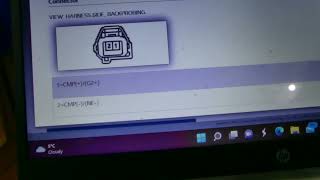
- Check Engine Light: This is the most common sign. A code scanner will usually show the code P0340. 🎬 Watch this video to diagnose and fix a P0340 code.
- Engine Won't Start: The engine may crank but refuse to start because the computer doesn't know when to create a spark.
- Engine Stalling: The engine may shut off unexpectedly while you are driving or idling, which can be a serious safety risk.
- Rough Idle: Your car may shake or vibrate when stopped at a light.
- Poor Acceleration: The car may feel sluggish or hesitant when you press the gas pedal.
- Decreased Fuel Economy: When the engine timing is off, it burns more fuel than it should.
Pro Tip: Check the Wires First
The trouble code P0340 points to a problem in the camshaft sensor circuit, not always the sensor itself. Before buying a new part, take a moment to inspect the sensor's wiring and electrical connector. Look for any signs of damage, corrosion, or oil contamination that could be causing a bad connection. Simply cleaning the connector or repairing a damaged wire can sometimes fix the problem.
Choosing the Right Aftermarket Sensor
Since your Prizm uses a Toyota engine, the original factory sensor is a high-quality part. When choosing a replacement, you have options. For critical engine sensors, many mechanics and experienced owners recommend using OEM parts or premium aftermarket brands known for reliability, such as Denso, Delphi, or NGK. However, budget-friendly aftermarket options, often sold under generic names like "Replacement," are also available. These parts can get your car running correctly for a much lower initial cost. While they may not have the same long-term durability as a premium or OEM part, they are a practical solution for an older vehicle, especially since the replacement is so simple.
Installation and Cost
Replacing the camshaft position sensor on a 1998-2002 Prizm is a very easy DIY job that most owners can do at home.
Location: The sensor is on top of the cylinder head, near the passenger side of the engine. It is held in place by a single 10mm bolt.
Process: The job involves removing the plastic engine cover, unplugging the electrical connector, removing the bolt, swapping the sensor, and reassembling. The entire process typically takes less than 30 minutes.
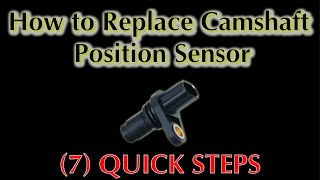
🎬 See this easy 7-step walkthrough for replacing your sensor.| Part/Service | Estimated Cost |
|---|---|
| New Aftermarket Sensor | $25 - $50 |
| New OEM Sensor (Toyota/Denso) | $70 - $90 |
| Used OEM Sensor | $25 - $40 |
| Shop Labor | $50 - $75 |
Frequently Asked Questions (FAQ)
Where is the camshaft position sensor located on a 1998-2002 Prizm?
The sensor is located on the top of the engine, on the cylinder head, typically near the passenger side. It is held in by a single 10mm bolt and is very easy to access after removing the plastic engine cover.
Can I replace this sensor myself?
Yes, absolutely. This is one of the easiest sensor replacements you can do. It requires only basic hand tools (a ratchet with a 10mm socket), takes about 15-30 minutes, and is a great project for a beginner.
Is the camshaft sensor the same as the crankshaft sensor?
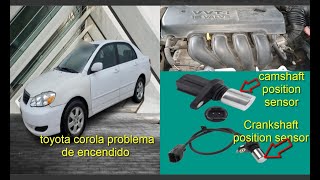
No. They are two different sensors that perform similar functions for different parts. The camshaft sensor tracks the camshaft (top of the engine) for valve timing, while the crankshaft sensor tracks the crankshaft (bottom of the engine) for piston position. While their failure symptoms can be similar, they are not interchangeable.
🎬 Vea cómo cambiar los sensores de posición del árbol de levas.Are there any recalls for the Prizm camshaft sensor?
No. Searches of the National Highway Traffic Safety Administration (NHTSA) database show no open recalls for the camshaft position sensor on the 1998-2002 Chevrolet Prizm.
Helpful Videos
Technical Specifications
OEM Part Numbers: 94859444 9008019014 9091905026
Terminal Type: Blade, Terminal Quantity: 2.

The information in this article is provided for general reference and educational purposes only. Vehicle specifications, procedures, and part compatibility can vary by production date, trim level, and region. Always consult your vehicle's factory service manual and verify part numbers before purchasing or performing repairs. Safety-critical components such as airbags, seat belts, and braking systems should be installed by a qualified professional.
- Chevrolet Prizm: