

Engine Coolant Thermostat Guide for the 1998-2002 Chevrolet Prizm
Keep your Prizm's engine temperature in check by understanding thermostat failure and choosing the right replacement.
- A bad thermostat can cause overheating, no heat, or a fluctuating temperature gauge.
- This is a moderately difficult DIY job because the alternator must be removed to access the thermostat.
- For best results, use a 180°F (82°C) OEM Toyota thermostat; aftermarket quality can be inconsistent.
- There are no recalls for this part, but ignoring symptoms can lead to critical engine damage.
Is Your Prizm's Thermostat Failing?
A thermostat is a wear item. Over time, it can get stuck open, stuck closed, or respond slowly. The symptoms are usually clear and should not be ignored, as a failed thermostat can lead to expensive engine damage.
Common Symptoms of a Bad Thermostat:
🎬 Watch: A quick visual guide to common thermostat failure symptoms.- Engine Overheating: If the thermostat is stuck closed, it traps coolant in the engine, preventing it from reaching the radiator to be cooled. This is the most dangerous failure, causing the temperature gauge to climb into the red.
- No Heat from Vents: If the thermostat is stuck open, the engine may never reach its proper operating temperature, especially in cold weather. Because the heater core uses hot engine coolant to warm the cabin, you may only get lukewarm or cold air from your vents.
- Temperature Gauge Fluctuating: A gauge that swings from cool to hot erratically can be a sign of a thermostat that is sticking or opening and closing at the wrong times. It can also indicate air in the cooling system.
- Engine Running Too Cool: A thermostat stuck open allows coolant to circulate constantly. The temperature gauge may stay on the low end of the normal range or never reach the middle. This can increase fuel consumption and engine wear.
- Coolant Leaks: A leak can sometimes be seen around the thermostat housing. This can be caused by a bad housing gasket or, in some cases, excessive pressure from a stuck-closed thermostat.
Check Engine Light: P0128
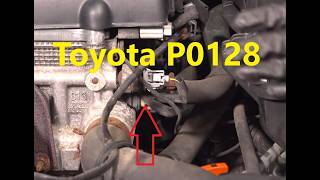
A common trouble code associated with a faulty thermostat is P0128 - Coolant Thermostat (Coolant Temperature Below Thermostat Regulating Temperature). This code typically means the engine isn't reaching its expected operating temperature within a specific time, which often points to a thermostat that is stuck open.
🎬 See this detailed explanation of the P0128 trouble code.Choosing the Right Aftermarket Thermostat
Since the 1998-2002 Chevrolet Prizm is mechanically identical to the Toyota Corolla of the same years, it uses the reliable Toyota 1ZZ-FE engine. When it comes to critical cooling system parts, quality matters. While aftermarket options can save money, they are not all created equal.
OEM vs. Aftermarket Quality
For this specific vehicle, mechanics and owners often recommend using an OEM (Original Equipment Manufacturer) thermostat from Toyota. OEM parts are known for their robust construction and precise calibration. Aftermarket thermostats can sometimes be less durable, use lower-quality seals, or have slightly different opening temperatures, which can affect performance. However, some aftermarket brands provide a reliable alternative.
Brand Tiers for Your Chevrolet Prizm
- Top Tier (Recommended): The original Toyota OEM thermostat (Part No. 90916-03107 or the superseding 90916-A3003) is widely considered the best choice for reliability and fit. Beck Arnley positions itself as an OE-quality supplier for import vehicles, but be aware they sometimes re-box parts from other manufacturers. There's a chance you could get a high-quality part, but it's not guaranteed.
- Mid-Tier (Good Value): Gates is a well-known brand that produces OE-type thermostats. While some users feel their quality isn't what it used to be, they are generally considered a decent option. Facet and Calorstat are other established brands, with some positive user feedback for Facet, but less information is available overall.
- Use with Caution: Motorad has a mixed reputation. Many users in forums report premature failures, especially with their "fail-safe" models that can get stuck open permanently after a single high-temperature event. Given the critical nature of the thermostat, it may be best to avoid this brand if possible.
- Avoid for Daily Driving: Mishimoto primarily offers "racing" thermostats that open at a lower temperature (around 155-160°F instead of the stock 180°F). For a standard Prizm, this is not ideal. It can prevent the engine from reaching its efficient operating temperature, leading to poor fuel economy, increased engine wear, and a potential check engine light (P0128).
Pro Tip: Get the Right Temperature
The correct OEM-spec thermostat for your Prizm is rated to open at 180°F (82°C). Some aftermarket brands may offer a 170°F option as an "alternate temperature." Stick with the 180°F thermostat to ensure your car's engine computer, heater, and emissions systems all function as designed.
Cost to Replace a 1998-2002 Prizm Thermostat
The cost can vary based on your location and whether you do the job yourself or hire a professional. The thermostat part itself is inexpensive, but the labor can be significant for this specific vehicle.
| Part or Service | Estimated Cost |
|---|---|
| New Aftermarket Thermostat | $17 - $70 |
| New OEM Thermostat | $25 - $50 |
| Shop Labor | $122 - $179 |
| Total Professional Replacement | $150 - $250+ |
Frequently Asked Questions (FAQ)
Is replacing the thermostat on a 1998-2002 Prizm a DIY job?
It can be, but it is considered moderately difficult. Unlike many cars, the thermostat on the 1.8L 1ZZ-FE engine is located behind the alternator. This means you must drain the coolant, remove the serpentine belt, and then remove the alternator just to access the two nuts on the thermostat housing. If you are not comfortable with that level of disassembly, it is best to leave this job to a professional.
🎬 Watch: Step-by-step walkthrough for removing the alternator and thermostat.Should I replace the thermostat housing at the same time?
It is generally not necessary unless the original housing is cracked, corroded, or damaged. The thermostat itself is the component that fails. However, always use a new gasket for the housing when you replace the thermostat to ensure a proper seal.
What is the jiggle pin and why is it important?
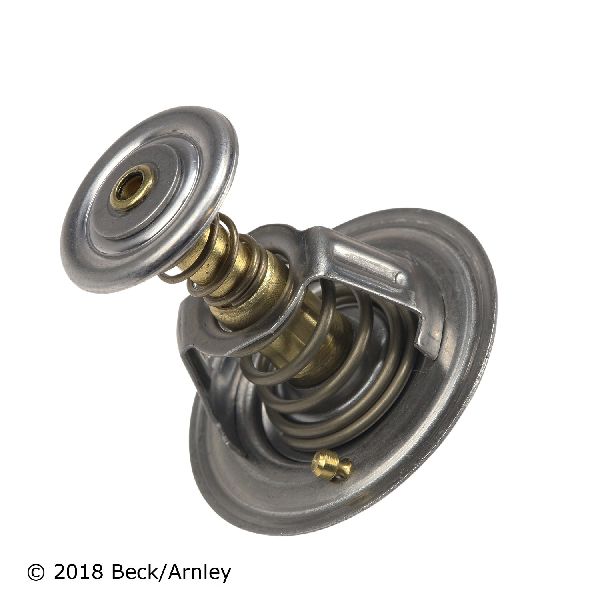
The jiggle pin is a small metal pin in a hole on the flange of the thermostat. It allows trapped air to bleed from the cooling system. When installing a new thermostat, the jiggle pin must be positioned at the top (12 o'clock position) to work correctly.
Are there any recalls for the thermostat on my Prizm?
No, there have been no recalls issued by the NHTSA for the engine coolant thermostat on the 1998-2002 Chevrolet Prizm.
Helpful Videos
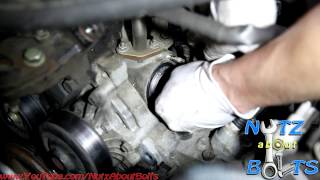
![How to Fix TOYOTA P0128 Engine Code in 3 Minutes [2 DIY Methods / Only $7.34]](https://img.youtube.com/vi/5PMszxut2Bw/mqdefault.jpg)
Technical Specifications
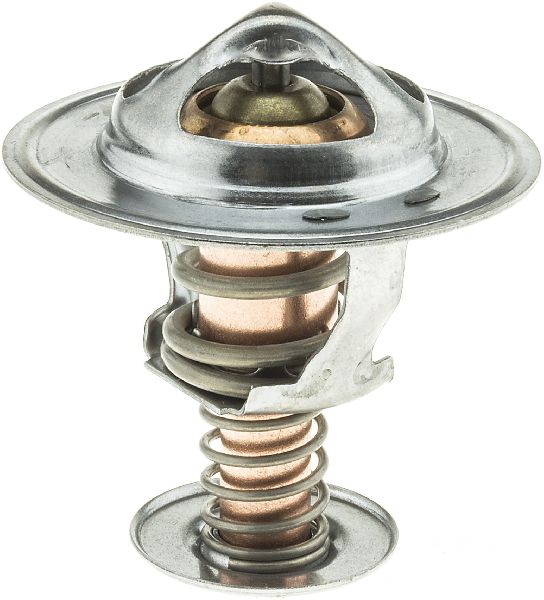
OEM Part Numbers: 94856782 9091603107 90916-03107 90916-A3003
Opening Temperature: 180° F (82° C)
We Have This Part in Stock


The information in this article is provided for general reference and educational purposes only. Vehicle specifications, procedures, and part compatibility can vary by production date, trim level, and region. Always consult your vehicle's factory service manual and verify part numbers before purchasing or performing repairs. Safety-critical components such as airbags, seat belts, and braking systems should be installed by a qualified professional.
- Chevrolet Prizm:
- 🎬 Helpful Videos
- 🛍️ Shop This Part
- Is Your Prizm's Thermostat Failing?
- Common Symptoms of a Bad Thermostat:
- Check Engine Light: P0128
- Choosing the Right Aftermarket Thermostat
- OEM vs. Aftermarket Quality
- Brand Tiers for Your Chevrolet Prizm
- Pro Tip: Get the Right Temperature
- Cost to Replace a 1998-2002 Prizm Thermostat
- Frequently Asked Questions (FAQ)
- 🎟️ Get 5% Off