

A Ford Ranger Owner's Guide to Radiator Replacement (1998-2002)
Keep your Ranger's engine from overheating by choosing the right replacement radiator.
- Radiator failure is common, usually from leaks where the plastic tanks meet the aluminum core.
- Replacement is a very manageable DIY job that can be done in 2-3 hours with basic tools.
- For most owners, a standard 'best value' brand like Spectra or Nissens offers a great balance of price and reliability.
- Always replace the radiator cap, thermostat, and consider replacing hoses at the same time for a complete repair.
Is Your Ranger's Radiator Failing?

A bad radiator can't cool your engine properly, which can lead to serious and expensive damage. Watch for these common signs that your radiator needs to be replaced.
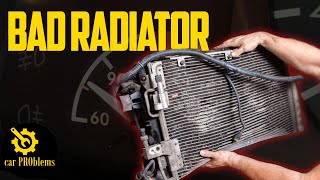
🎬 Watch: How to diagnose symptoms of a failing radiator yourself.- Engine Overheating: The most obvious sign. If your temperature gauge is climbing into the red, your cooling system is not working correctly.
- Coolant Leaks: You might see puddles of green, orange, or pink fluid under the front of your truck. The most common failure point on these radiators is where the plastic side tanks are crimped to the aluminum center core.
- Visible Steam or a Sweet Smell: Steam coming from under the hood while driving or after you stop is a sign that hot coolant is leaking and turning to steam. Coolant often has a distinct sweet smell.
- Low Coolant Level: If you constantly have to add coolant to the overflow tank, you likely have a leak somewhere in the system.
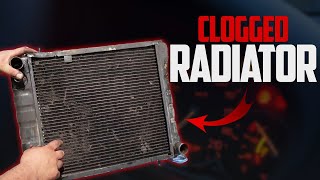
- Clogged Fins: Dirt, bugs, and road debris can block airflow through the radiator fins, making it less effective. Sometimes a gentle cleaning can help, but internal clogs from old coolant can also occur, which requires replacement.
Do Not Drive an Overheating Vehicle
Continuing to drive with an overheating engine can cause catastrophic damage, including a blown head gasket or a completely seized engine. If you see the temperature gauge in the red, pull over as soon as it is safe and shut off the engine.
Choosing the Right Aftermarket Radiator

You don't need to buy the most expensive part to get a reliable radiator for your Ranger. Aftermarket brands offer a wide range of quality and price. They can be grouped into three main tiers.
Premium Brands (OEM-Equivalent Quality)
These brands are known for high-quality materials and construction, often meeting or exceeding the original Ford (Motorcraft) part. They are an excellent choice if you plan to keep your truck for a long time and want maximum reliability.
- Denso: A well-respected OEM supplier for many car manufacturers, known for excellent quality and fit.
- CSF Radiator: Often considered a premium aftermarket option with a good reputation for performance.
- Koyorad: Another high-quality brand known for reliability and often compared to other premium options.
Standard Brands (Best Value)
This is the sweet spot for most Ranger owners. These brands provide a good balance of quality and price, often mimicking the original design. They are reliable for daily driving and are a significant step up from economy parts.
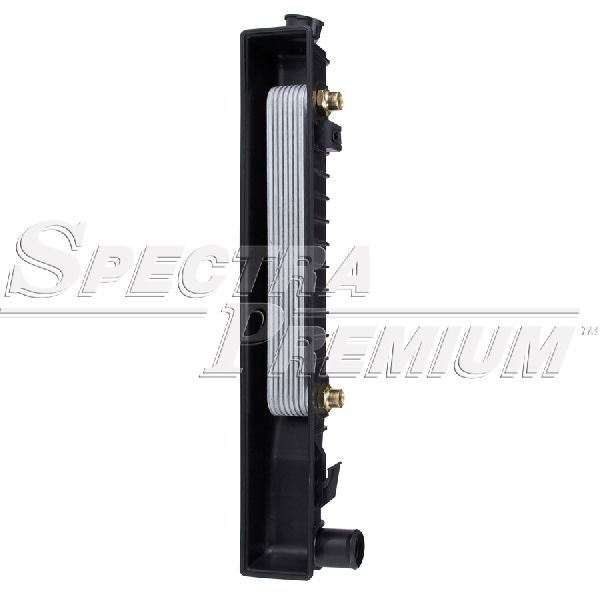
- Spectra Premium: A very popular choice for the Ford Ranger. Most owners have good experiences with fit and function, though some have reported leaks developing after a year or so.
- Nissens: A reputable European brand that produces quality cooling system components.
- APDI: A common aftermarket brand that offers a direct-fit replacement at a reasonable price.
Economy Brands
These are the most budget-friendly options. They will get your truck back on the road, but may have a shorter lifespan due to less robust materials, particularly in the plastic end tanks. Consider these if you're on a tight budget or not planning to keep the truck long-term.
- Global Parts
- One Stop Solutions
- Onix
- Reach Cooling
Replace More Than Just the Radiator
Since you'll be draining the cooling system anyway, it's a smart and cost-effective move to replace other cooling system parts at the same time. This includes the radiator cap, thermostat, and all radiator hoses. These parts are inexpensive and wear out over time.
How Much Does a Ford Ranger Radiator Replacement Cost?

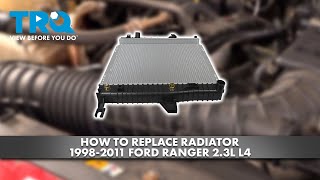
The replacement is a straightforward job that many owners do themselves in about two to three hours. 🎬 Watch: A complete walkthrough for replacing the 2.3L engine radiator. If you have a shop do it, labor will be the biggest variable.
| Part/Service | Estimated Cost |
|---|---|
| New Aftermarket Radiator | $39 - $437 (most fall in the $120-$250 range) |
| Shop Labor | $250 - $450 |
| Total Professional Replacement | $290 - $890 |
| DIY Cost (Part + Coolant) | $70 - $470 |
Cost estimates are for reference only and will vary based on your location, the specific parts chosen, and your vehicle's condition.
Frequently Asked Questions

Is replacing the radiator on a 1998-2002 Ranger a good DIY job?
Yes, this is a very DIY-friendly job for someone with basic tools and mechanical ability. The process involves draining the coolant, removing hoses, disconnecting transmission cooler lines if you have an automatic, and unbolting the fan shroud and radiator. There are many video guides available online that walk through the process step-by-step.
🎬 See this step-by-step radiator replacement guide for V6 models.Should I get an all-aluminum radiator?
For a stock Ford Ranger, a quality radiator with plastic tanks and an aluminum core is perfectly fine and matches the original design. All-aluminum radiators are typically considered a performance upgrade for heavy towing or modified trucks, but they are not necessary for most owners and cost significantly more.
Do I need a new radiator cap?
Yes. Always replace the radiator cap when you install a new radiator. A new radiator will not come with a cap. The cap is a critical part that holds pressure in the system, and a weak or failing cap can cause overheating issues all by itself.
Are there any recalls or common issues I should know about?
There are no specific recalls for the radiator on these trucks. However, there is a Technical Service Bulletin (TSB) for issues with transmission fluid leaking from the radiator fittings. Also, be aware that the 4.0L V6 engine is known for having a plastic thermostat housing that can crack and leak coolant, which can be mistaken for a radiator problem.
Helpful Videos


Technical Specifications
OEM Part Numbers: F87Z8005DA F87Z8005FA XL5Z8005DA 1L5Z8005DA
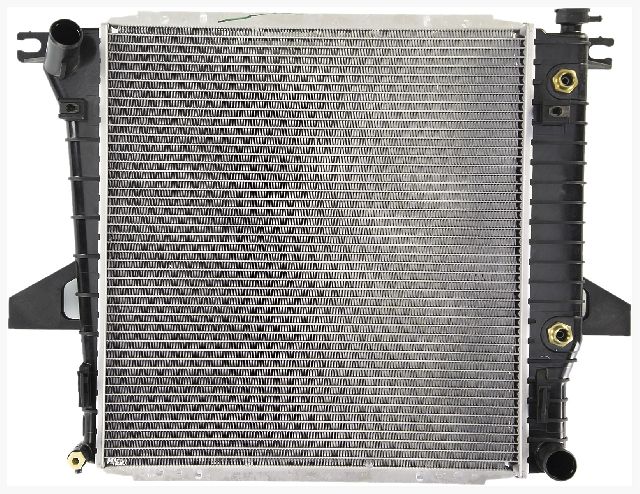
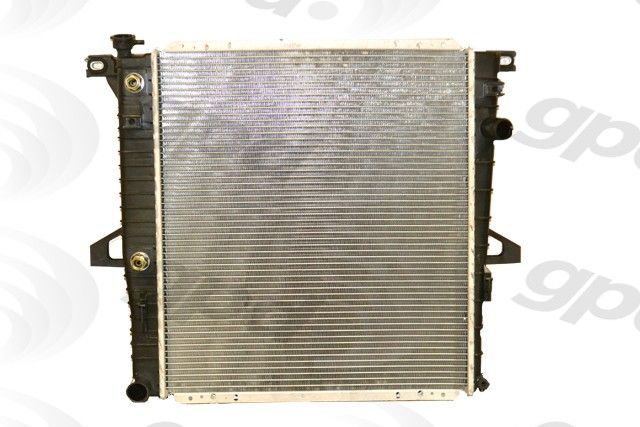
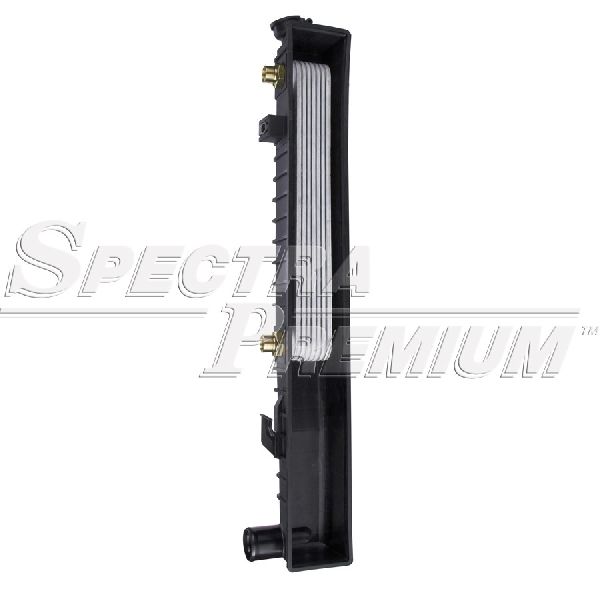
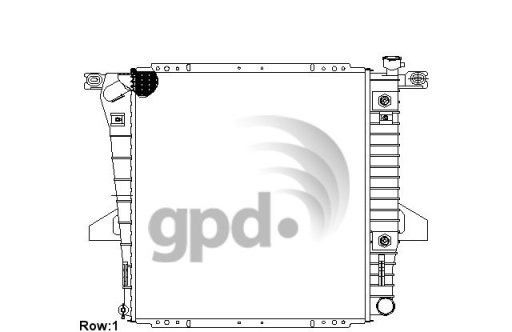
The 1998-2002 Ford Ranger uses a crossflow radiator with plastic end tanks and an aluminum core. Models with automatic transmissions have an integrated transmission fluid cooler within the radiator. Core dimensions and hose positions vary slightly depending on the engine (2.5L I4, 3.0L V6, 4.0L V6) and transmission type, so it is crucial to order the correct part for your specific configuration.
We Have This Part in Stock


The information in this article is provided for general reference and educational purposes only. Vehicle specifications, procedures, and part compatibility can vary by production date, trim level, and region. Always consult your vehicle's factory service manual and verify part numbers before purchasing or performing repairs. Safety-critical components such as airbags, seat belts, and braking systems should be installed by a qualified professional.
- Ford Ranger:
- 🎬 Helpful Videos
- 🛍️ Shop This Part
- Is Your Ranger's Radiator Failing?
- Do Not Drive an Overheating Vehicle
- Choosing the Right Aftermarket Radiator
- Premium Brands (OEM-Equivalent Quality)
- Standard Brands (Best Value)
- Economy Brands
- Replace More Than Just the Radiator
- How Much Does a Ford Ranger Radiator Replacement Cost?
- Frequently Asked Questions
- 🎟️ Get 5% Off