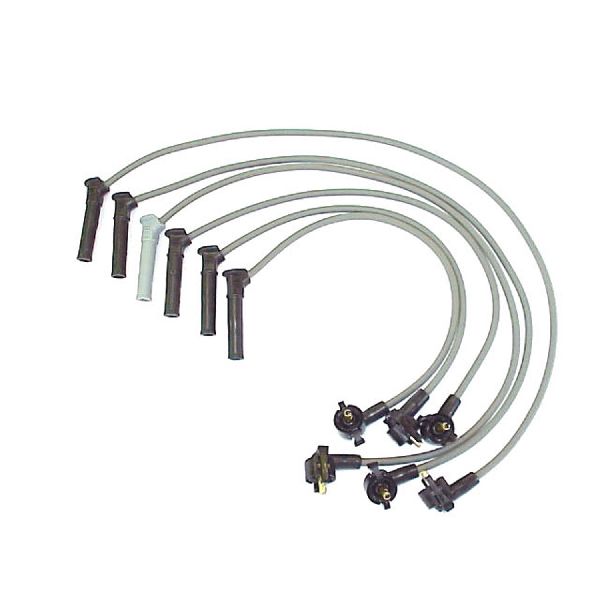
A Guide to Spark Plug Wire Sets for the 1998-2002 Ford Ranger
Misfires and rough running on your Ranger? It might be time for a new set of spark plug wires.
4 minutes to read
1998-2002 Ford Ranger
Difficulty
2/5
Est. Time
1 hrs
DIY Doable?
✅ Yes
Shop Labor
$90-$133
⚠️Drivable, but...— Driving with a misfire is possible but not recommended, as it can lead to poor performance, bad fuel economy, and potential damage to the catalytic converter over time.
Key Takeaways
Always match the wire set to your specific engine (2.5L I4, 3.0L V6, or 4.0L V6) as lengths and boot types differ.
For stock reliability, most owners recommend sticking with OEM-quality brands like Motorcraft, NGK, or Denso.
Replace wires one at a time to avoid mixing up the firing order, which can cause the engine to run poorly or not at all.
If you have a 2.5L or 3.0L engine, inspect your spark plugs and consider using double platinum plugs due to the waste spark ignition system.
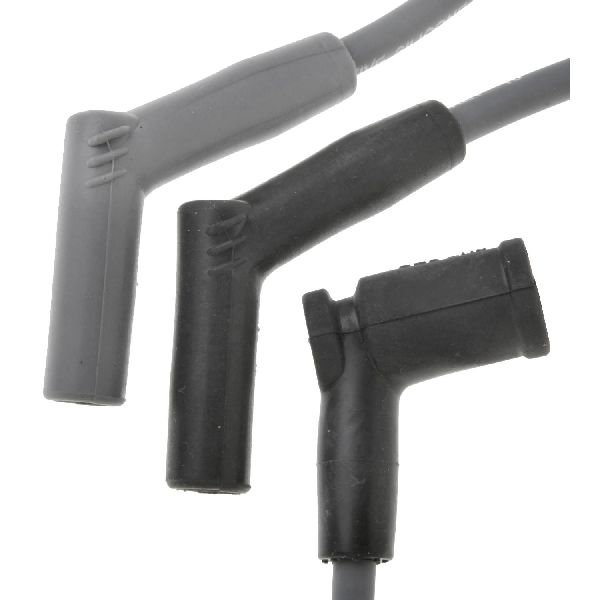
The spark plug wire set on your Ford Ranger is critical for engine performance. These wires carry high-voltage electricity from the ignition coil pack to the spark plugs. This electrical charge creates the spark that ignites the fuel and air mixture in each cylinder. For the 2.5L 4-cylinder and 3.0L V6 engines, which use a dual-plug design, the wires are responsible for firing eight spark plugs, making their condition even more important for a smooth-running engine. The 4.0L V6 uses a more traditional single-plug-per-cylinder setup with six wires.
Is Your Ranger Running Rough? Check Your Wires
Healthy wires (left) have supple insulation to contain high voltage, while old wires (right) develop cracks that allow electrical arcing to the engine block.
Over time, the insulation on spark plug wires breaks down from high engine temperatures and constant exposure to the elements. When this happens, the electrical energy can leak or "arc" to the engine block instead of reaching the spark plug. This results in a weak or non-existent spark, leading to common symptoms like a rough idle, hesitation during acceleration, poor fuel economy, and a check engine light.
The 1998-2002 Ford Ranger with the 2.5L I4 or 3.0L V6 engine uses a "waste spark" ignition system with two spark plugs per cylinder. This means one coil fires two plugs at the same time. Because of how the system is designed, it's highly recommended to use double platinum spark plugs to prevent premature wear. When replacing your wires, it's the perfect time to inspect your spark plugs and ensure you have the correct type for your engine.
Choosing the Right Aftermarket Spark Plug Wires
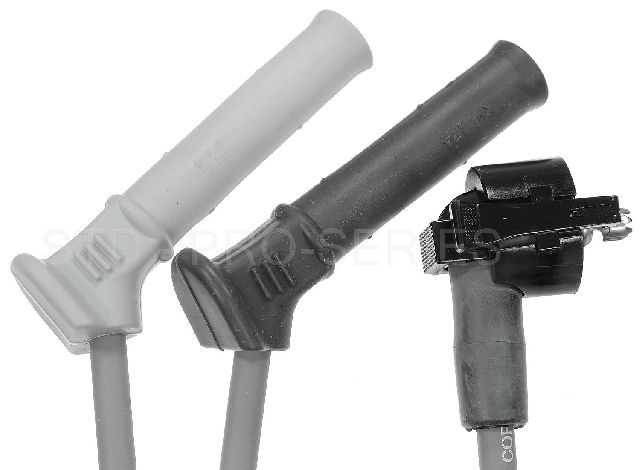
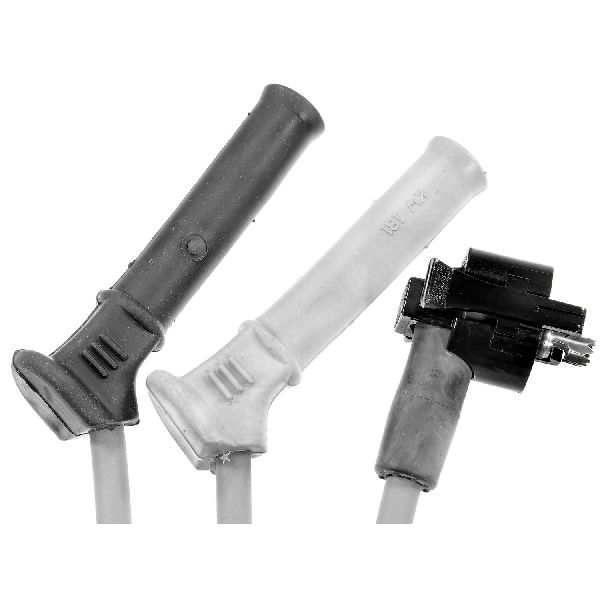
Choosing a Tier 1 brand like Motorcraft or NGK ensures the wire lengths and boot angles match the original factory specifications.
When shopping for new spark plug wires, you'll find a wide range of brands and prices. For a daily-driven Ranger, you don't necessarily need the most expensive performance set, but you should avoid the cheapest options that may fail prematurely. Here’s how the brands generally stack up:
Tier 1: OEM Quality & Reliability
These brands are known for meeting or exceeding Ford's original specifications. They are the safest bet for a perfect fit, long life, and reliable performance. Forum users and mechanics consistently recommend this tier for stock trucks.
Motorcraft: This is Ford's own parts brand. You can't go wrong with the original equipment (OE) replacement for guaranteed fit and function.
NGK: A highly respected Japanese brand that is an OEM supplier to many automakers. NGK wires are known for their quality construction and durability.
Denso: Another top-tier OEM supplier with a reputation for excellent quality and reliability.
Tier 2: Performance & Heavy-Duty
These brands offer thicker wires (often 8mm or larger) with lower electrical resistance. While they may offer a slight performance benefit on modified engines, they are generally considered overkill for a stock Ranger. However, some owners choose them for their durability and appearance.
MSD: A very popular name in performance ignitions. Their wires are high-quality and a common upgrade.
Taylor Cable: Known for their high-performance wires in various colors.
JBA Racing / Pertronix / Granatelli: These brands also offer performance-oriented wire sets that are a step up from standard replacements.
Pro Tip: Dielectric Grease is Your Friend
When installing new wires, apply a small amount of dielectric grease to the inside of each boot. This helps seal out moisture, prevents corrosion, and makes it easier to remove the wires next time. Many quality wire sets include a small packet of this grease.
Tier 3: Standard & Value Options
These brands offer a more budget-friendly solution. They will get the job done but may not have the same longevity or perfect fit as the premium brands. They are a viable option if cost is your primary concern.
Standard (Standard Motor Products)
Walker Products
Karlyn STI
Prenco
Common Ordering Mistakes
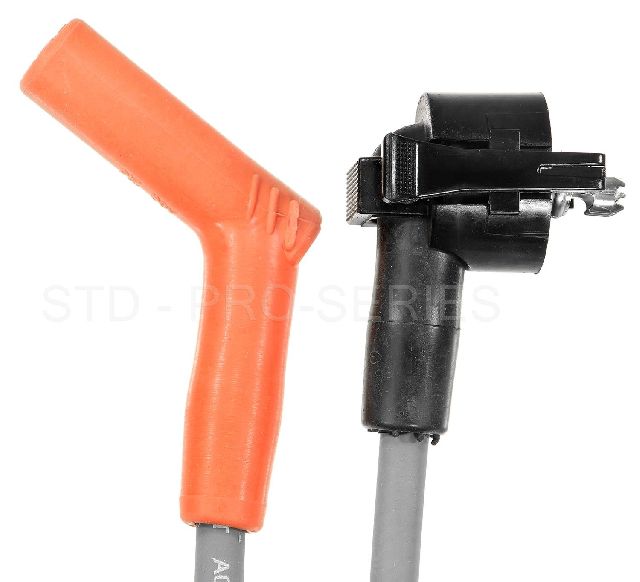
The 2.5L and 3.0L Ranger engines use a dual-plug 'waste spark' system, requiring specific wire lengths and boot angles for each side of the engine.
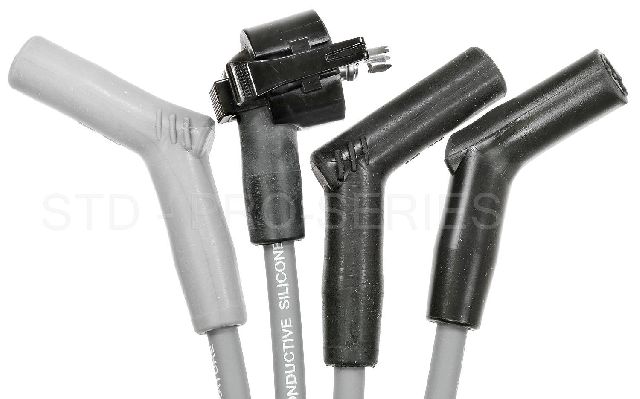
The most common mistake is ordering the wrong set for your engine. The 2.5L 4-cylinder, 3.0L V6, and 4.0L V6 all use different wire sets with specific lengths and boot angles. Always confirm your engine size before purchasing. One user reported buying a Motorcraft set where one wire was too short, highlighting the importance of checking fitment upon arrival.
Frequently Asked Questions
Applying a small amount of dielectric grease to the boot prevents the rubber from bonding to the plug and seals out moisture.Do I need to replace all the spark plug wires at once?
Yes. Wires degrade at a similar rate. If one has failed, the others are likely not far behind. Replacing them as a set ensures balanced ignition performance and prevents future misfires.
How do I know which wire goes where?
New wire sets are numbered and have different lengths to correspond to each cylinder's location. The best practice is to replace one wire at a time to avoid mixing up the firing order. 🎬 Watch a mechanic demonstrate the proper way to swap wires If you do mix them up, the engine will run poorly or not at all.
My Ranger has 8 spark plugs. Do I need 8 wires?
If you have the 2.5L 4-cylinder engine, yes. 🎬 See this step-by-step guide for 2.5L dual-plug wire replacement It has two plugs per cylinder and uses eight wires connected to two coil packs. The 3.0L V6 has six cylinders but also uses a dual-plug design on some models, requiring a specific wire set; however, it uses a single coil pack and only six wires. The 4.0L V6 uses six plugs and six wires.
Are there any recalls for the spark plug wires?
No, there are no specific recalls for spark plug wires on the 1998-2002 Ford Ranger. There was a recall for a fire risk related to the cruise control deactivation switch, but it is unrelated to the ignition system. There were also some NHTSA investigations into spark plugs being ejected from the cylinder heads on different Ford engines (Triton V8/V10), but this issue does not typically apply to the engines used in this generation of Ranger.
Helpful Videos
▶
NEW Spark Plugs + Wires + Coil Pack (P0301 Misfire FIXED!) | 2002 Ford Ranger
▶
How to Replace Spark Plug Wires (Ford Ranger, Mazda B3000)
▶
DIY: Ford 2.5L 4cyl Spark Plug and Wire Replacement
▶
Ford Ranger Spark Plug And Wire Replacement 2001-2011
Technical Specifications
OEM Part Numbers:WR-6059WR-5872
Varies by engine. Wire sets are specific to the 2.5L 4-cylinder (8 wires), 3.0L V6 (6 wires), and 4.0L V6 (6 wires). Wire diameter is typically 7mm or 8mm. Core is typically a spiral-wound suppression type to prevent radio frequency interference.
🎟️ 10% Off Coupon
Here's 10% Off Your Next Order
Drop your email and we'll send you a 10% off code. Save up to $25 on any order at Go-Parts.
You're in!
We just emailed this to you. Here's your 10% off code:
Go-Parts' AI research assistant. Every article is backed by live web research, verified OEM data, and real technician knowledge — so you get accurate, up-to-date information you can trust.
The information in this article is provided for general reference and educational purposes only. Vehicle specifications, procedures, and part compatibility can vary by production date, trim level, and region. Always consult your vehicle's factory service manual and verify part numbers before purchasing or performing repairs. Safety-critical components such as airbags, seat belts, and braking systems should be installed by a qualified professional.