

1998-2002 GMC Jimmy Horn Replacement and Troubleshooting Guide
If your GMC Jimmy's horn has gone silent or sounds weak, this guide will walk you through the common causes and replacement options.
- Horn failure on a GMC Jimmy is often caused by electrical issues like a bad fuse, relay, or dirty steering wheel contacts, not the horn itself.
- If the horn works with the key fob panic button but not the steering wheel, the issue is in the steering column.
- Standard Ignition is a quality aftermarket brand for a factory-like replacement, while the 'Replacement' brand offers a budget-friendly alternative.
- Replacing the horn unit is an easy DIY job, but diagnosing the entire system should be done first to avoid replacing a good part.
Is Your GMC Jimmy's Horn Not Working?
A common issue for the 1998-2002 GMC Jimmy isn't always the horn itself failing. Often, the problem lies within the electrical path leading to it. Before you replace the horn, it's wise to check a few other components first, as this can save you time and money.
Start with the Simple Stuff
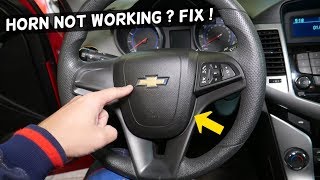
Always check the horn fuse and relay before assuming a more complex part has failed. On these trucks, a common point of failure is actually the electrical contacts inside the steering wheel horn pad, which can get dirty or corroded over time. If your horn works when you use the panic button on your key fob but not when you press the steering wheel, the problem is almost certainly in the steering column, not the horn itself.
Diagnosing the Horn Problem
- Check the Fuse: Locate the fuse box (often one under the hood and one inside the cab) and find the horn fuse. A visual inspection will show if it's blown.
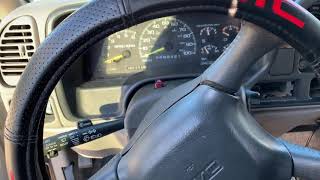
- Test the Relay: The horn relay is a small cube in the fuse box. You can often test it by swapping it with an identical relay 🎬 See how to troubleshoot your horn fuse and relay. from a non-critical system (like the A/C). If the horn works, you just need a new relay.
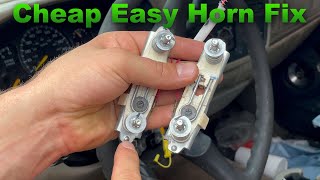
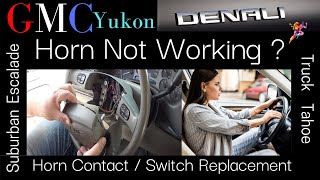
- Clean Steering Wheel Contacts: For intermittent horn operation, the issue is often dirty contacts under the airbag. This involves disconnecting the battery and carefully removing the airbag module 🎬 Watch this guide on cleaning your steering wheel horn contacts. to clean the contact points. Warning: This repair involves the airbag system and should be performed with caution. Disconnect the battery for at least 15-20 minutes before starting.
- Test the Horn Directly: If the fuse and relay are good, you can test the horn itself. Locate the horn (typically behind the grille or headlamp assembly), unplug it, and use a multimeter to check for 12V power at the connector when a helper presses the horn pad. You can also connect the horn directly to a 12V battery with jumper wires to see if it sounds. If it doesn't, the horn unit has failed. 🎬 Learn how to test and replace a faulty horn assembly.
Choosing an Aftermarket Horn
If you've determined the horn assembly is the problem, you have a couple of aftermarket options that provide a good balance of quality and value compared to finding a new OEM part.
Brand Tiers
- Standard Ignition: This is a well-regarded aftermarket brand known for producing parts that meet or exceed original equipment specifications. Reviews often point to good quality and a factory-like sound and fit. If you want a reliable, direct-fit replacement without the high cost of an OEM part, Standard Ignition is a solid choice.
- Replacement: This brand offers a more budget-friendly option. While they are designed to be direct-fit, the sound might be described as more generic or 'tinny' compared to the original. For owners looking for the most cost-effective way to restore horn function, this brand gets the job done.
| Part Type | Estimated Cost |
|---|---|
| New Aftermarket Horn | $35.59 - $57.52 |
| Shop Labor | $50 - $100 |
Pro Tip: High and Low Tones
Many GM vehicles of this era use a dual-horn setup with a high-note and a low-note horn working together. If your horn sounds weak or strange but still works, one of the two horns may have failed. Replacing both at the same time is recommended to ensure a strong, correct sound.
Frequently Asked Questions
Where is the horn located on a 1998-2002 GMC Jimmy?
The horn is typically located in the front of the vehicle, often behind the grille or in front of the radiator support. On some similar GM trucks, it has been found behind the driver's side lower headlight assembly.
Is it difficult to replace the horn myself?
Replacing the horn unit itself is relatively easy. It usually involves removing a single bolt and unplugging an electrical connector. The difficulty rating is low, and it can typically be done in under an hour with basic hand tools.
Why does my horn only work sometimes?
Intermittent horn function is a classic symptom of a problem in the steering wheel. It could be a failing clock spring (the electrical ribbon that connects steering wheel controls) or, more commonly, dirty contacts under the horn pad.
Can I upgrade my horn for a louder sound?
Yes, many owners choose to install louder aftermarket horns. This may require running a new, separate circuit with its own relay and fuse to handle the increased electrical draw of a more powerful horn.
Helpful Videos
Technical Specifications
12V electrical system. May use a dual-horn setup (high and low note).
We Have This Part in Stock


The information in this article is provided for general reference and educational purposes only. Vehicle specifications, procedures, and part compatibility can vary by production date, trim level, and region. Always consult your vehicle's factory service manual and verify part numbers before purchasing or performing repairs. Safety-critical components such as airbags, seat belts, and braking systems should be installed by a qualified professional.
- GMC Jimmy: