

Engine Oil Pressure Switch & Sending Unit Guide for 1998-2002 Jeep Cherokee XJ
Is your oil pressure gauge acting erratically or dropping to zero? This guide covers the common causes and how to choose the right replacement part.
- A gauge that drops to zero or fluctuates wildly is the number one sign of a bad sending unit, not necessarily a bad engine.
- Always verify actual oil pressure with a mechanical gauge before replacing parts to rule out a serious engine issue.
- Many Jeep XJ owners strongly recommend using OEM Mopar sensors for better reliability and longevity compared to aftermarket options.
- Replacement is a simple, DIY-friendly job that takes less than an hour with the correct 1 1/16" deep socket.
Is Your Oil Pressure Gauge Lying to You?
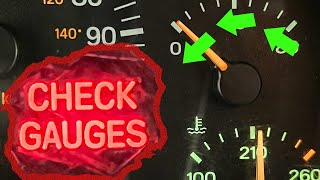
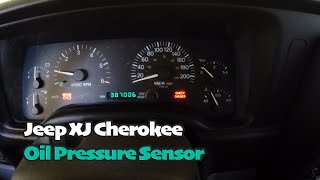
One of the most common (and alarming) issues for a 1998-2002 Jeep Cherokee XJ owner is looking down at your dashboard and seeing the oil pressure gauge at zero or bouncing around wildly. The "Check Gauges" light often comes on at the same time. While this could indicate a serious internal engine problem, it's very frequently just a failure of the oil pressure sending unit. These sensors are a known weak point and often fail, giving a false reading that causes unnecessary panic. Another, less common, symptom is the sensor itself leaking oil from its plastic housing.
First, Verify the Actual Oil Pressure
Before you assume the sensor is bad, it's critical to make sure your engine isn't actually suffering from low oil pressure. A mechanic can test this by temporarily installing a mechanical pressure gauge. If the mechanical gauge shows good pressure while your dashboard gauge reads low or zero, you've confirmed the sending unit is the culprit. If you hear any engine knocking or rattling, stop the engine immediately and have it professionally diagnosed.
Choosing the Right Aftermarket Sending Unit
When it comes to sensors for this generation of Jeep, there's a strong debate between OEM Mopar parts and aftermarket options. Many experienced XJ owners insist on using only Mopar sensors, claiming they are more reliable and last longer. Aftermarket sensors have a reputation for failing prematurely, providing inaccurate readings right out of the box, or breaking easily during installation.
However, other owners have had good luck with certain aftermarket brands and prefer not to pay the premium for a Mopar part on an older vehicle. If you choose an aftermarket part, consider it a trade-off between cost and potential longevity.
- Premium Aftermarket (e.g., Standard Motor Products, Bosch): These brands are often considered higher quality than store-brand parts and have a better reputation among some owners. They may offer a good balance of price and reliability.
- Standard/Value Aftermarket (e.g., Crown Automotive, Omix-Ada): These brands provide a budget-friendly option. While some users have success, others report higher failure rates. Given the critical nature of the part, be aware of the potential for a shorter service life.
A Note on Installation
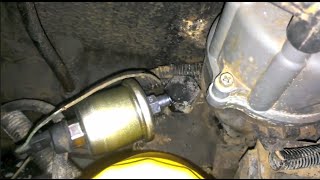
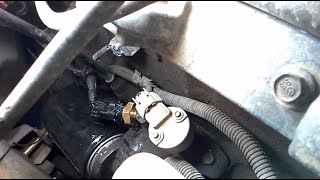
The sending unit is located on the passenger side of the engine, right above the oil filter. Its location makes it vulnerable to being bumped or damaged during oil changes. When installing a new unit, never use the plastic part of the sensor to tighten it; always turn it by the metal hex base to avoid damaging it. 🎬 See a step-by-step guide for replacing the sending unit. A special deep socket (typically 1 1/16") is the best tool for the job.
Cost of Replacing an Engine Oil Pressure Switch
| Part Type | Estimated Cost |
|---|---|
| New OEM (Mopar) | $60 - $100 |
| New Aftermarket | $30.34 - $122.41 |
| Shop Labor | $50 - $100 |
Frequently Asked Questions
Where is the oil pressure switch located on a 1998-2002 Cherokee?
You can find it on the passenger side of the 4.0L engine, located directly above the oil filter and next to the distributor 🎬 Video: Locating the sensor on the 4.0L engine block. (or coil pack on 2000-2001 models).
What is the difference between an oil pressure switch and a sending unit?
A "switch" is a simple on/off device that only triggers a warning light when pressure drops below a set level. A "sending unit" or "sensor" provides a variable signal to drive a needle on a gauge. For the 1998-2002 Cherokee with a gauge, the correct part is a sending unit.
Do I need a special tool for replacement?
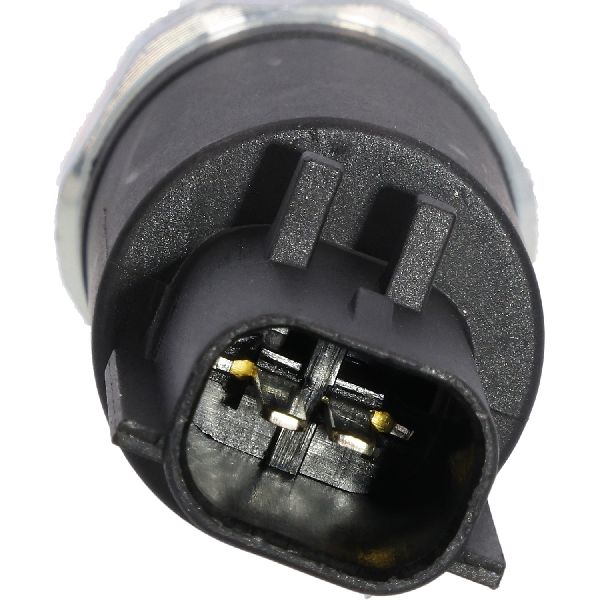
While an adjustable wrench can sometimes work, the best tool is a 1 1/16-inch deep well socket designed for oil pressure sending units. This special socket is hollowed out to fit over the plastic part of the sensor without damaging it.
Are there any recalls for the oil pressure switch on my Cherokee?
No, there are no specific recalls for the oil pressure switch on the 1998-2002 Jeep Cherokee XJ. A Technical Service Bulletin (TSB) for a P0520 code was issued for much newer Jeep models but does not apply to this generation.
Helpful Videos
Technical Specifications
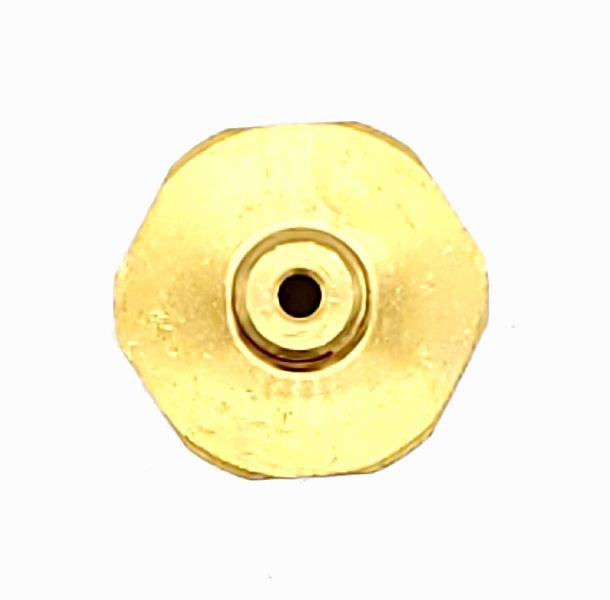
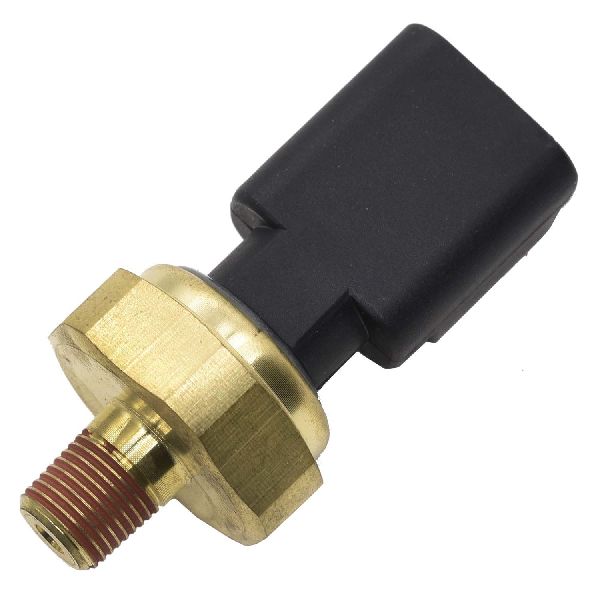
OEM Part Numbers: 56028807AB
Socket Size: 1 1/16 inch deep well
We Have This Part in Stock


The information in this article is provided for general reference and educational purposes only. Vehicle specifications, procedures, and part compatibility can vary by production date, trim level, and region. Always consult your vehicle's factory service manual and verify part numbers before purchasing or performing repairs. Safety-critical components such as airbags, seat belts, and braking systems should be installed by a qualified professional.
- Jeep Cherokee: