

Steering Idler Arm Guide for 1998-2002 Lincoln Navigator
Fix wandering steering and clunking noises on your first-generation Navigator by choosing the right replacement idler arm.
- A worn idler arm on a 1998-2002 Navigator causes steering wander, clunking noises, and uneven tire wear.
- For a heavy SUV like the Navigator, choosing a premium aftermarket brand like Moog or Delphi, or a heavy-duty line from Mevotech, is recommended for durability.
- Consider replacing the pitman arm at the same time as the idler arm for a complete repair.
- A professional wheel alignment is mandatory immediately after replacing the idler arm to ensure safety and prevent tire damage.
Is Your Navigator's Steering Feeling Loose?
A common issue on the first-generation Lincoln Navigator is wear in the steering system. The idler arm, a critical pivot point, often fails over time. This wear causes excessive play in the steering linkage. Symptoms start small, like a slight shake in the steering wheel, but can grow into serious handling problems like steering wander. Because this part is so important for control, it's a repair you shouldn't ignore.
Symptoms of a Failing Idler Arm
When an idler arm wears out, it will give you clear warning signs. Here’s what to look and listen for:
- Steering Wander: You have to make constant small corrections to the steering wheel to keep the Navigator driving in a straight line. The truck may feel like it's drifting or wandering on its own.
- Loose Steering Wheel: There is a noticeable "dead spot" or excessive play in the steering wheel. You can turn the wheel slightly in either direction before the front wheels respond.
- Clunking or Popping Noises: You may hear a clunking or rattling sound from the front passenger side, especially when turning at low speeds or driving over bumps. This is the sound of the worn internal joint moving around.
- Uneven Tire Wear: A bad idler arm allows the front wheels to go out of alignment. This can cause the edges of your front tires to wear down much faster than the center.
How to Check for a Bad Idler Arm
Have a helper turn the steering wheel back and forth while you watch the idler arm from under the front of the truck. If you see the arm's pivot point moving up and down instead of just rotating, it is worn out and needs to be replaced. You can also check for play by shaking the front passenger tire side-to-side with the vehicle on jack stands; excessive movement can point to a bad idler arm.
Choosing the Right Aftermarket Idler Arm
You don't need to go to a dealer for this part. Aftermarket brands offer a range of options that often meet or exceed original quality. When shopping, consider these tiers:
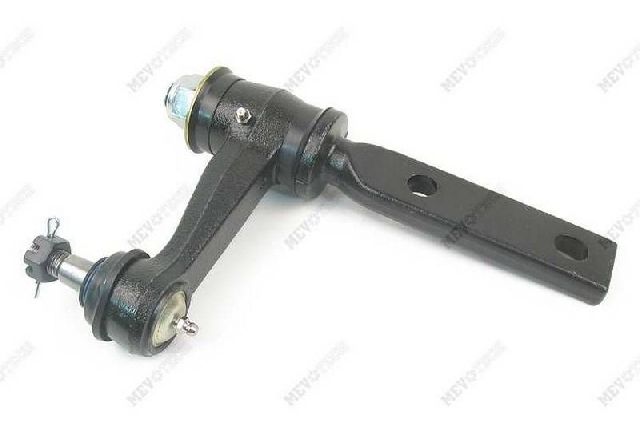
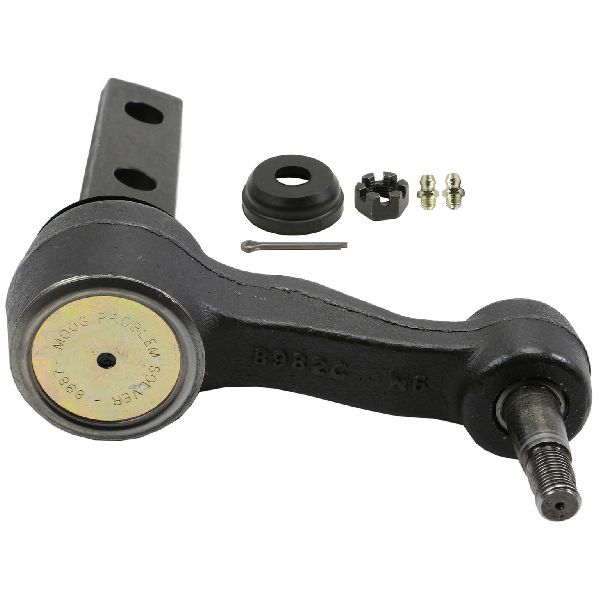
- Premium Brands (Moog, Delphi): Moog is well-regarded for its "Problem Solver" parts, which are often designed to be stronger than the original. Delphi is also known for making parts to OE standards. These brands are a top choice for the heavy-duty needs of a Navigator and are preferred by many professional mechanics.
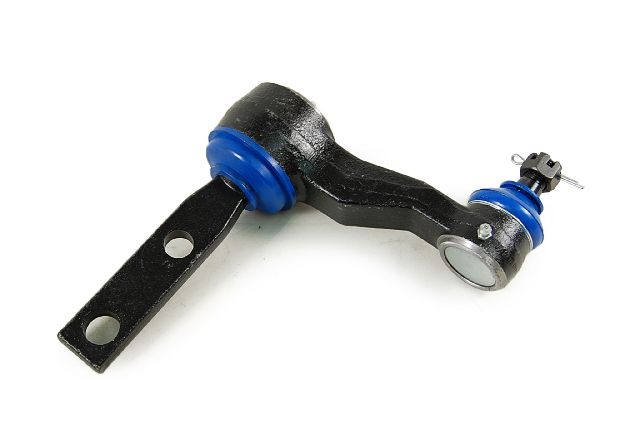
- Quality Mid-Range (Mevotech): Mevotech offers a good balance of quality and price, with some lines like their TTX series being built for heavy-duty use. They are a solid choice for daily driving and can be an upgrade over standard, budget-friendly parts.
- Standard/Economy (QuickSteer, Suspensia): These brands provide a cost-effective solution for getting your truck back on the road. While they may not have the ultimate durability of premium brands, they are a functional replacement for a vehicle with average use.
Greasable vs. Sealed Joints
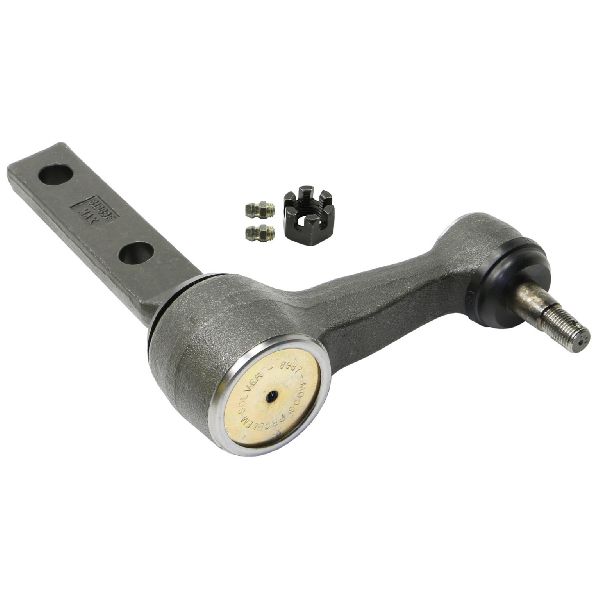
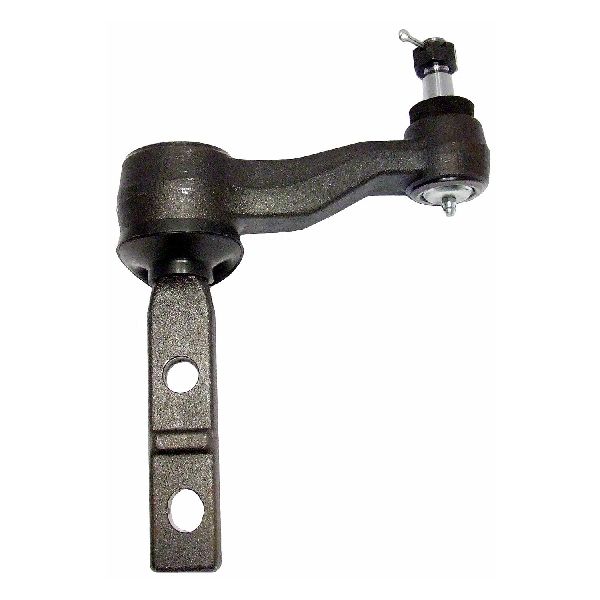
Some aftermarket idler arms come with grease fittings (zerks), while the original and some replacements are sealed. Greasable joints can last longer if you remember to grease them during regular oil changes. Sealed joints are maintenance-free but may have a shorter lifespan, especially on a heavy truck that sees rough roads. For a Navigator, a greasable part is often a smart upgrade.
Known Issues, Recalls, and TSBs
While there are no specific recalls for the idler arm on the 1998-2002 Lincoln Navigator, Ford did issue a maintenance update for the steering linkage on these trucks and the related Ford Expedition. This update recommended inspecting the steering linkage, including tie-rod ends, every 12,500 miles (20,000 km). This indicates these are known wear items. Forum discussions among owners of these trucks confirm that idler arms, especially cheaper aftermarket versions, can wear out quickly. Some owners report replacing them multiple times.
| Part/Service | Estimated Cost |
|---|---|
| New Aftermarket Idler Arm | $46 - $139 |
| Shop Labor | $100 - $200 |
| Wheel Alignment (Required) | $100 - $180 |
| Total Professional Installation | $246 - $519 |
Frequently Asked Questions (FAQ)
Do I need an alignment after replacing the idler arm?
Yes, absolutely. Replacing the idler arm will change your front-end alignment. You must get a professional wheel alignment immediately after the repair to ensure the vehicle drives straight, handles safely, and does not cause rapid tire wear.
Should I replace the pitman arm at the same time?
It is highly recommended. The idler arm and pitman arm wear out under similar forces. If the idler arm has failed, the pitman arm is likely worn as well. Replacing both at the same time ensures a complete steering system refresh and saves you from paying for a second alignment down the road.
Is replacing the idler arm a DIY job?
For an experienced home mechanic, yes. The job requires safely lifting the vehicle, and you'll need tools like a large socket set, a torque wrench, and a special puller or pickle fork to separate the joint. It can be difficult due to rust and the force needed to separate the parts. If you are not comfortable, it's best to leave this job to a professional.
What is the difference between an idler arm and a pitman arm?
They perform similar but opposite roles. The pitman arm connects to the steering gear on the driver's side and moves the steering linkage. The idler arm is an unpowered pivot on the passenger's side that supports the other end of the linkage, mirroring the pitman arm's movement.
Technical Specifications
OEM Part Numbers: F75Z3350BA 2L3Z3350AA
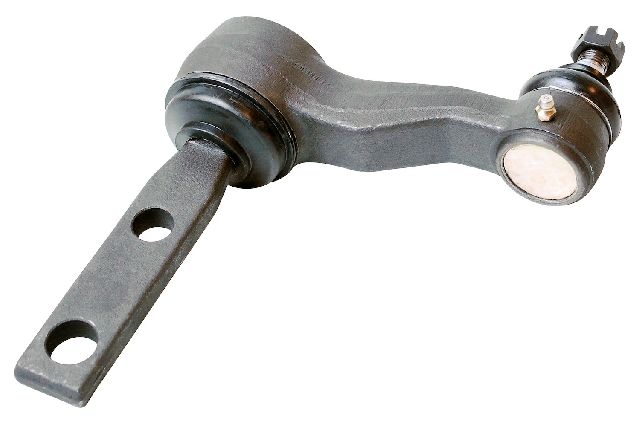
The idler arm for the 1998-2002 Lincoln Navigator is part of a parallelogram steering linkage. It attaches to the vehicle frame on the passenger side and connects to the center link. Some aftermarket versions feature a greasable design for extended service life.
We Have This Part in Stock

The information in this article is provided for general reference and educational purposes only. Vehicle specifications, procedures, and part compatibility can vary by production date, trim level, and region. Always consult your vehicle's factory service manual and verify part numbers before purchasing or performing repairs. Safety-critical components such as airbags, seat belts, and braking systems should be installed by a qualified professional.
- Lincoln Navigator: