

Choosing the Right Aftermarket Brake Pads for Your 1998-2002 Mazda 626
Get the best stopping power and quietest performance for your 626 by picking the right brake pads.
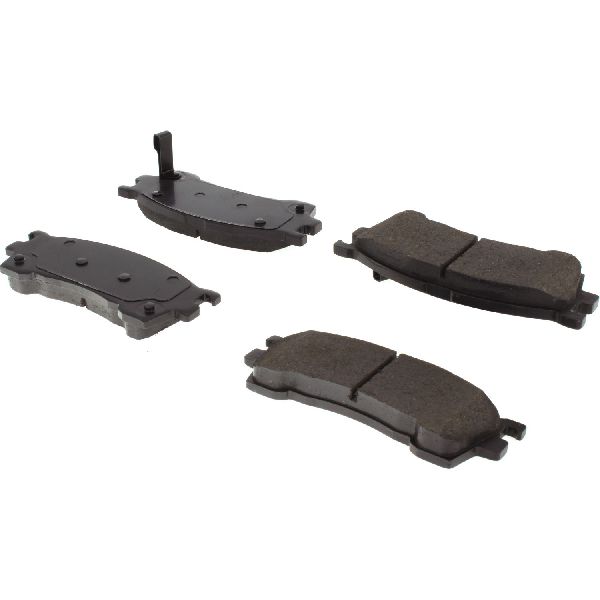
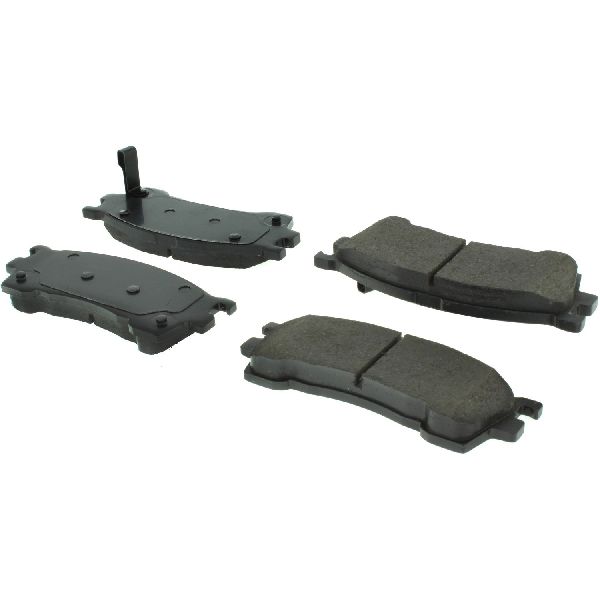
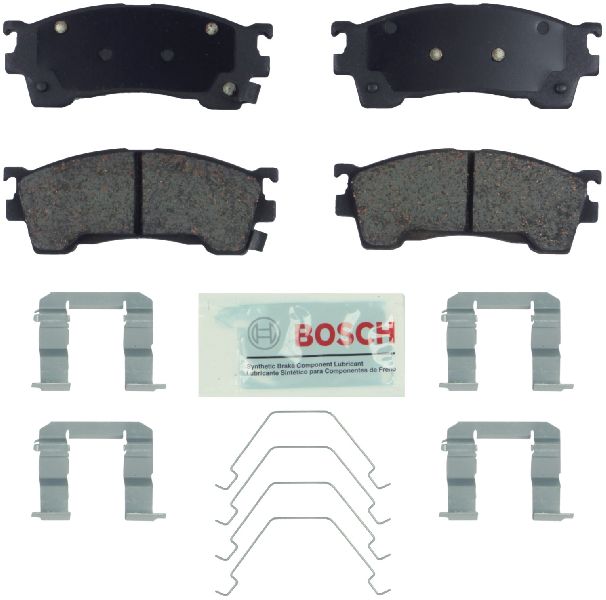
- For best results, choose a quality ceramic aftermarket pad from a brand like Akebono, Bosch, or Centric for quiet operation and low dust.
- When replacing pads, it is critical to inspect the brake calipers (especially the rears) to ensure they are not sticking, a known issue on the 626.
- If doing the job yourself, remember the rear caliper pistons require a special tool to be twisted back in; they cannot simply be compressed.
- Be aware of a safety recall (NHTSA 00V074) on the master cylinder cap that could affect brake performance.
Is it Time for New Brake Pads?
Your Mazda 626 will give you clear signs when its brake pads are getting low. Ignoring these warnings can lead to unsafe driving and more expensive repairs. Listen and feel for these common symptoms:
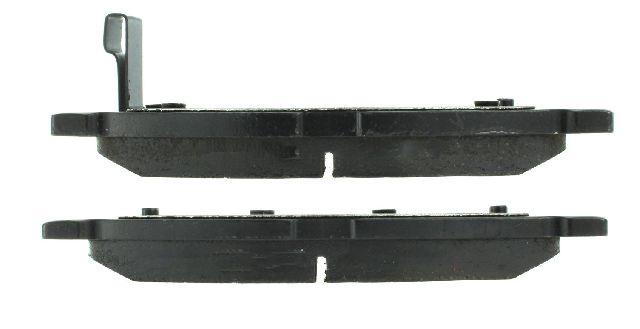
- High-Pitched Squealing: This is the most common sign. Brake pads have a small metal tab called a wear indicator. When the pads get thin, this tab scrapes against the brake rotor, making a loud squealing noise whenever you're driving, which may stop when you press the brakes.
- Deep Grinding Noise: A loud, metallic grinding or growling sound when you apply the brakes is a critical warning. It means your brake pads are completely worn away, and the metal backing plate is grinding against the rotor. This is very unsafe and will quickly damage your brake rotors, leading to a much more expensive repair.
- Vibration or Pulsing in Pedal: If you feel a shaking in the steering wheel or a pulsing in the brake pedal when you brake, it's often a sign of a problem with the rotor surface. This can be caused by uneven wear from old pads.
- Spongy or Soft Brake Pedal: If your brake pedal feels softer than usual or sinks towards the floor, it could mean air is in the brake lines or there's an issue with the master cylinder.
A Vehicle-Specific Issue: Sticking Brake Calipers
This generation of Mazda 626 is known to have issues with sticking brake calipers, especially in the rear. A stuck caliper doesn't release the brake pad properly, causing it to drag on the rotor. This leads to very fast pad wear, overheating, and potential damage to the new pads and rotors. When replacing your pads, it is essential to make sure the caliper slide pins move freely. If they are stuck, they must be cleaned and lubricated or replaced.
OEM vs. Aftermarket Pads for Your 626
For a car like the 1998-2002 Mazda 626, you don't need to buy parts from the dealer to get great quality. High-quality aftermarket pads can offer the same, or even better, performance for less money. The key is choosing the right brand and material.
- OEM Pads: These are what the car came with from the factory. They are designed for quiet, reliable, everyday driving. Mazda has also offered a cheaper "Value Line" of pads, but some owners report they feel mushy and don't stop as well as the original parts.
- Aftermarket Pads: This is where you have the most choice. For your 626, a quality ceramic pad is the best all-around option. It will be quiet, produce very little brake dust, and last a long time.
Choosing an Aftermarket Brand
Not all aftermarket brands are the same. They generally fall into three tiers:
- Premium Aftermarket (Akebono, Bosch, Brembo, Centric): These brands often supply the original parts for car manufacturers. Akebono, for example, is a top-tier OEM supplier known for extremely quiet, low-dust ceramic pads that meet or exceed factory performance. They are an excellent choice for a smooth, clean, and reliable ride.
- Daily Driver (Wagner, Raybestos, Dynamic Friction): These brands offer a great balance of quality and price. Wagner's ceramic pads, for instance, are a popular choice for restoring original braking performance without the high cost. They provide dependable stopping power for normal commuting.
- Economy: While the low price is tempting, budget pads often compromise on quality. They may be noisier, create more dust, and wear out faster. For a critical safety component like brakes, it's usually worth spending a little more for a reputable brand.
Pro Tip: Replace Hardware and Service Calipers
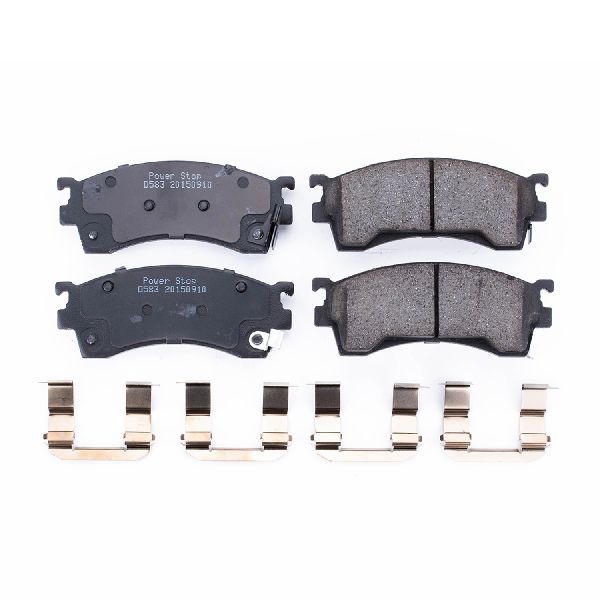
Most quality brake pad sets come with new hardware like clips and shims. Always use this new hardware to ensure a proper fit and prevent noise. While you're replacing the pads, it's the perfect time to clean and lubricate the caliper slide pins to prevent the known sticking issue on the 626.
Typical Replacement Costs
Prices can vary based on brand and your location. Here are some typical cost ranges for a single axle (front or rear).
| Part/Service | Estimated Cost |
|---|---|
| New Aftermarket Brake Pad Set | $15 - $88 |
| New OEM Brake Pad Set | $50 - $125 |
| Shop Labor | $100 - $150 |
Frequently Asked Questions
Are there any recalls I should know about?
Yes. NHTSA recall 00V074 was issued for a potential problem with the brake master cylinder reservoir cap on some 1998-2002 models. The cap could prevent proper venting, creating a vacuum that might reduce brake effectiveness. You can check with a Mazda dealer to see if your specific vehicle was affected or had the repair performed.
Should I replace my rotors at the same time?
Not always. If your rotors are still thick enough (above the minimum thickness stamped on the rotor) and are not heavily grooved or warped, they can often be reused. However, if you have vibration when braking or the rotors are worn, it is always best to replace pads and rotors together for the best performance and longevity.
What's the difference between ceramic and semi-metallic pads?
Ceramic pads are quiet, produce very little dust, and are gentle on brake rotors. They are perfect for daily driving. Semi-metallic pads can offer slightly better performance in very aggressive driving but are often noisier and create more black dust on your wheels. For a Mazda 626, ceramic pads are the recommended choice.
Can I replace just the front or rear pads?
Yes. Brake pads are always replaced as an axle set (both front wheels or both rear wheels at the same time). You do not need to replace front and rear pads at the same time, as they wear at different rates. The front pads typically wear out faster because they handle most of the braking force.
Is this a difficult DIY job?
For someone with basic mechanical skills and tools, replacing the front brake pads is a fairly straightforward job. However, the rear calipers on the 626 require a special tool to twist and compress the piston at the same time. You cannot simply push the rear piston back in with a C-clamp. If you don't have this tool, it's best to leave the rear brakes to a professional.
Technical Specifications
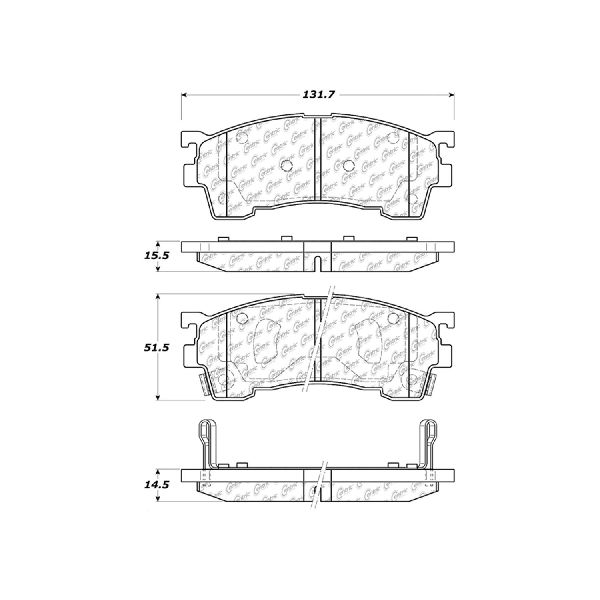
The 1998-2002 Mazda 626 uses disc brakes on both the front and rear axles. Pad material is typically ceramic or semi-metallic. The rear calipers require a twist-in tool for piston compression.
We Have This Part in Stock

The information in this article is provided for general reference and educational purposes only. Vehicle specifications, procedures, and part compatibility can vary by production date, trim level, and region. Always consult your vehicle's factory service manual and verify part numbers before purchasing or performing repairs. Safety-critical components such as airbags, seat belts, and braking systems should be installed by a qualified professional.
- Mazda 626: