

Choosing the Right Disc Brake Rotors for Your 1998-2002 Mazda 626
Stop the guesswork when it comes to replacing the brake rotors on your Mazda 626.
- Vibration when braking is the most common sign of a rotor issue, often caused by uneven pad deposits, not a 'warped' rotor.
- For this vehicle, quality coated aftermarket rotors from brands like Centric, Bosch, or Raybestos offer the best value.
- Always replace rotors in pairs for the front or rear axle to ensure safe, even braking.
- If rotors are wearing out quickly, inspect for a sticking brake caliper, a known issue on this platform.
Is it Time for New Rotors? Common Failure Symptoms
Your 1998-2002 Mazda 626 will give you clear signs when the brake rotors need attention. Ignoring them can lead to longer stopping distances and more expensive repairs down the line. Look out for these common symptoms:
- Pulsing or Vibration: If you feel a pulsing in the brake pedal or a vibration in the steering wheel when you brake, this is the most common sign of a rotor problem. Many mechanics refer to this as "warped rotors," but it's often caused by uneven deposits of brake pad material on the rotor's surface, creating high spots.
- Grinding or Squealing Noises: A high-pitched squeal can mean your brake pads are worn out, but a deeper, metallic grinding sound often indicates the pads are completely gone and metal is grinding against metal. This will quickly destroy the rotor.
- Visible Damage: A visual inspection can reveal a lot. Look for deep grooves, scoring, or significant rust on the rotor surface. You may also see a bluish tint, which is a sign the rotor has been overheated.
A Note on Sticking Calipers
On this generation of Mazda 626, especially the station wagon models, seizing or sticking brake calipers can be a problem, particularly in the rear. A stuck caliper will keep the brake pad pressed against the rotor, causing it to overheat, wear out prematurely, and warp. If you are replacing rotors due to rapid or uneven wear, it is critical to inspect the brake calipers to ensure they are moving freely. Replacing the rotors without fixing a stuck caliper will just ruin the new parts quickly.
Choosing an Aftermarket Rotor: Good, Better, Best
For a vehicle like the 1998-2002 Mazda 626, aftermarket rotors offer excellent value. Original Equipment (OEM) rotors are available but are often more expensive. Many quality aftermarket brands meet or exceed original specifications. The biggest difference you'll find is in the materials and coatings.
Tier 1: Economy & Daily Driver
These are your basic, uncoated or standard-coated rotors. They are the most affordable option and are perfectly adequate for normal daily driving. Brands like Pronto, Dynamic Friction, and some entry-level Centric (C-TEK) or Wagner rotors fall into this category. The main drawback is that they are more susceptible to rust, especially on the hub and edges, which can be an issue in areas with road salt.
Tier 2: OE-Quality & Coated
This is the sweet spot for most owners. These rotors often feature a full e-coating (electrostatic coating) that prevents rust and corrosion on the non-contact surfaces, keeping them looking better for longer. They offer durability and performance that is equivalent to or better than the original factory rotors. Look for brands like Bosch QuietCast, Raybestos Element3, and Centric Premium. These rotors provide a great balance of price, performance, and longevity.
Tier 3: Performance & Heavy Duty
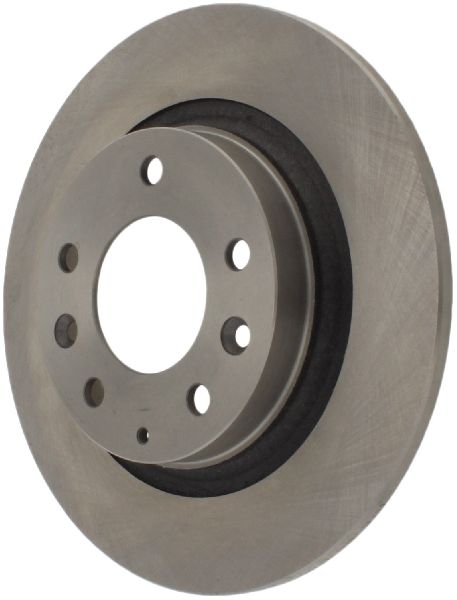
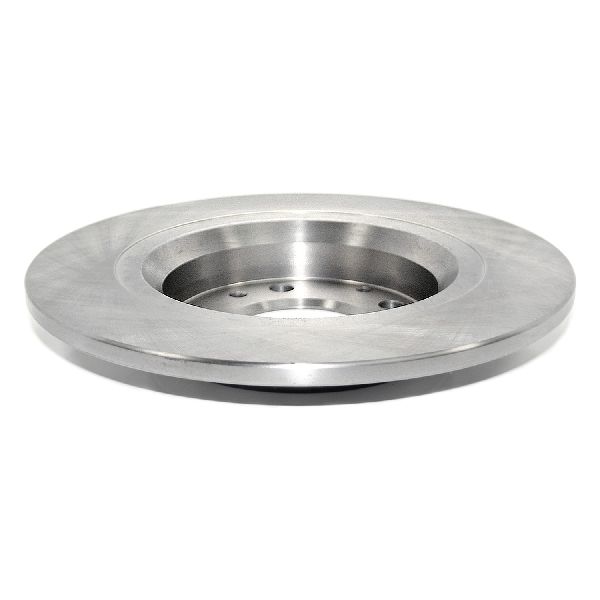
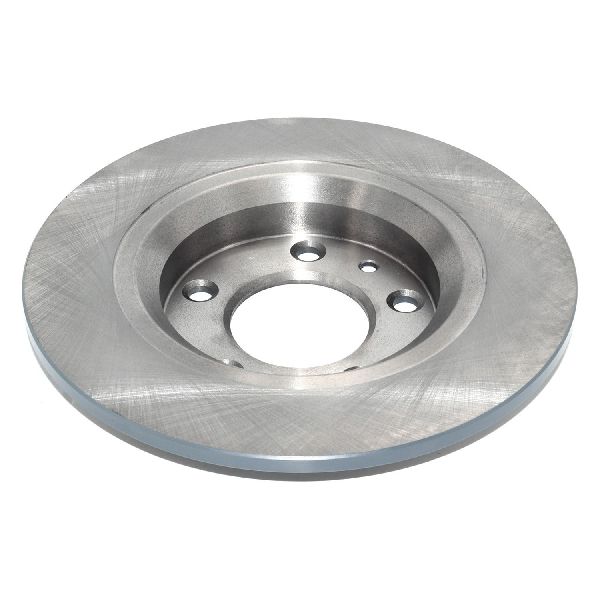
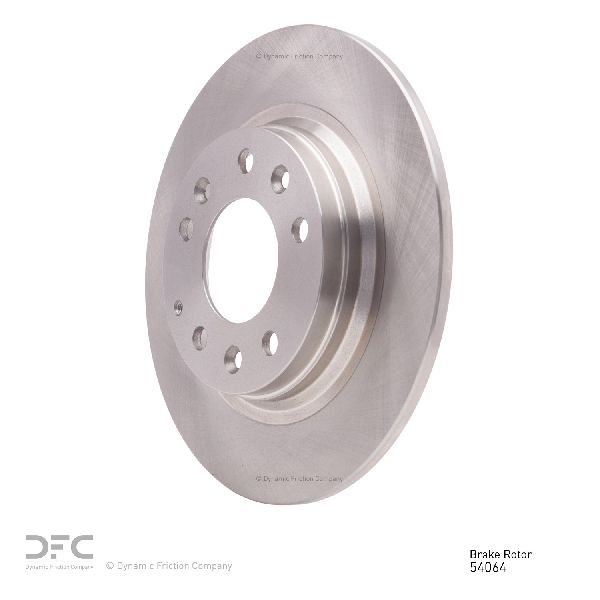
If you want improved braking performance, reduced fade during heavy use, or a more aggressive look, performance rotors are an option. These rotors are often drilled, slotted, or both. The holes and slots help vent hot gases and water from the braking surface. Brands like Powerstop, EBC Brakes, Hawk, and Brembo offer kits and individual rotors in this category. While they offer performance benefits, for a daily-driven 626, they are often unnecessary and can sometimes create more noise than a standard blank rotor.
Pro Tip: Always Replace in Pairs
Brake rotors must always be replaced in pairs (both front wheels or both rear wheels at the same time). Replacing only one side can cause uneven braking, pulling to one side, and unsafe driving conditions. It is also highly recommended to install new brake pads whenever you install new rotors.
Common Ordering Mistakes
While the 1998-2002 Mazda 626 braking system is straightforward, be aware of one key point. All models in this year range (LX and ES, with either the 4-cylinder or V6 engine) use disc brakes on both the front and rear. However, some parts listings may show options for earlier models with rear drums. Always confirm that you are ordering front or rear disc rotors specifically for the 1998-2002 model years to ensure a correct fit.
| Part / Service | Estimated Cost |
|---|---|
| New Aftermarket Rotors (Pair) | $60 - $150 |
| New OEM Rotors (Pair) | $140 - $200 |
| Shop Labor (Pads & Rotors) | $150 - $250 |
| Total Professional Job (Aftermarket Parts) | $250 - $450 |
Frequently Asked Questions (FAQ)
Do I need to resurface my new rotors?
No. New aftermarket rotors are ready to be installed out of the box. You should, however, clean them with brake cleaner before installation to remove any oils or preservatives from the manufacturing process.
Can I just replace the pads and not the rotors?
This is sometimes called a "pad slap." If your current rotors are in good condition (smooth, no deep grooves, and within the minimum thickness specification), you can install new pads. However, most mechanics recommend replacing pads and rotors at the same time for the best performance and lifespan, especially since rotors for the 626 are relatively inexpensive.
What does "bedding in" new brakes mean?
Bedding-in is a process of a few controlled stops to properly transfer a thin, even layer of friction material from the new brake pads to the new rotors. This ensures smooth, quiet, and effective braking. Most brake pad manufacturers provide a specific procedure to follow after installation.
Are drilled and slotted rotors better for my 626?
For a daily-driven Mazda 626, the benefits of drilled and slotted rotors are minimal and largely aesthetic. They can offer better cooling and wet-weather performance but may also produce more noise and wear pads faster than solid, blank rotors. A quality coated, blank rotor is the best choice for most owners.
Technical Specifications
OEM Part Numbers: GW55-26-251
For the 1998-2002 model years, all Mazda 626 trims (LX and ES) for the North American market were equipped with 4-wheel disc brakes. There are different rotor sizes for the 4-cylinder and V6 models, so ensure you purchase the correct part for your specific engine.
We Have This Part in Stock
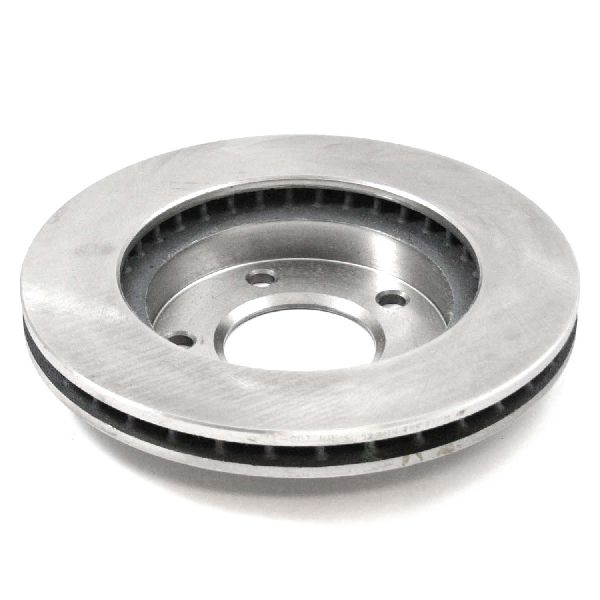
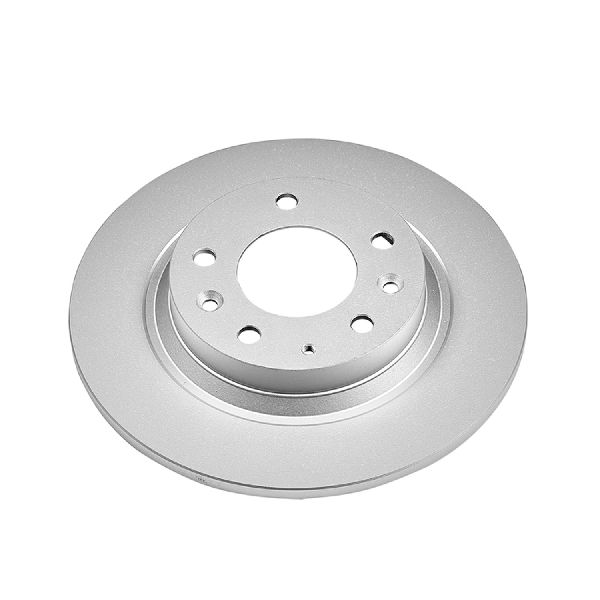

The information in this article is provided for general reference and educational purposes only. Vehicle specifications, procedures, and part compatibility can vary by production date, trim level, and region. Always consult your vehicle's factory service manual and verify part numbers before purchasing or performing repairs. Safety-critical components such as airbags, seat belts, and braking systems should be installed by a qualified professional.
- Mazda 626:
- 🛍️ Shop This Part
- Is it Time for New Rotors? Common Failure Symptoms
- A Note on Sticking Calipers
- Choosing an Aftermarket Rotor: Good, Better, Best
- Tier 1: Economy & Daily Driver
- Tier 2: OE-Quality & Coated
- Tier 3: Performance & Heavy Duty
- Pro Tip: Always Replace in Pairs
- Common Ordering Mistakes
- Frequently Asked Questions (FAQ)
- 🎟️ Get 5% Off