

Subaru Forester Horn Replacement Guide (1998-2002)
A complete guide to diagnosing and replacing the horn on your first-generation Subaru Forester.
- Horn failure is common and usually easy to diagnose; check the fuse, relay, and clock spring before replacing the horn itself.
- The most common point of failure besides the horn unit is the clock spring, especially if the cruise control also doesn't work or the airbag light is on.
- Replacement is a simple DIY job, with the two horns located directly behind the front grille.
- Aftermarket brands like Replacement and Standard Ignition are affordable and practical choices since OEM horns are mostly discontinued.
Is Your Forester's Horn Not Working? Here's How to Tell What's Wrong
A horn that doesn't work on your 1998-2002 Forester is usually caused by one of four things: a blown fuse, a bad relay, a failed clock spring in the steering column, or the horn units themselves have failed. Diagnosing the problem is a straightforward process of elimination.
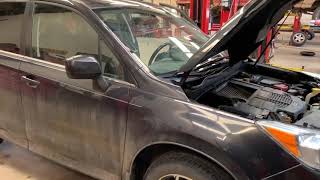
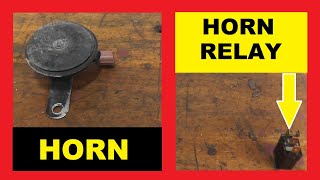
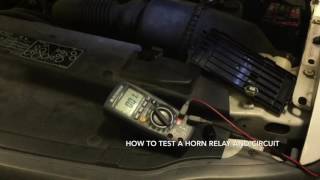
🎬 Watch this simplified diagnostic to quickly find the fault.First, check the fuse box for a blown horn fuse. If the fuse is good, the next step is to listen for a 'click' from the horn relay when you press 🎬 Watch how to properly test and replace a horn relay. the horn button. If you hear a click but no horn sound, the problem is likely the horns themselves or the wiring to them. If you don't hear a click, the issue is more likely the horn switch in the steering wheel or the clock spring.
The Clock Spring Connection
A very common failure point on Subarus of this era is the "clock spring" (also called a roll connector) inside the steering column. This part is a coiled ribbon of wires that allows the steering wheel to turn while maintaining electrical connections for the horn, airbag, and cruise control. If your horn stopped working at the same time as your cruise control, or if your airbag warning light is on, a bad clock spring is the most likely culprit. While there wasn't a specific recall for this part on the 1998-2002 Forester, it's a well-documented issue.
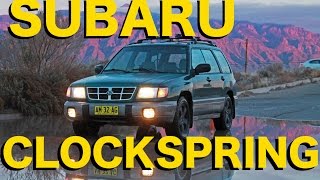
🎬 See this step-by-step guide to replacing your clock spring.Choosing the Right Aftermarket Horn
Original Equipment (OEM) horns for the first-generation Forester are largely discontinued and can be difficult to find new. When you do find them, they can be expensive. This makes aftermarket horns the most practical choice for most owners.
- Replacement Brand: This is a budget-friendly option designed to be a direct, OE-style replacement. The sound will be similar to the factory horn, which some owners find to be weak or "wimpy." Quality is generally considered sufficient for a daily driver, offering a good value to get your horn working again without a high cost.
- Standard Ignition: Often seen as a step-up from store brands, Standard Ignition (SMP) is a well-known aftermarket manufacturer with a reputation for producing quality components that meet or exceed original specifications. You can expect good durability and a sound profile very close to the original factory horns.
Pro Tip: A Note on Sound
Many Subaru owners find the stock horn sound to be underwhelming. Aftermarket horns, even direct-fit replacements, may have a slightly different pitch or tone than the original units. If you are replacing only one of the two horns (high or low), be aware that the resulting sound might be slightly different than you're used to. For a perfectly matched tone, it's best to replace them in pairs.
Cost of Replacing a 1998-2002 Forester Horn
| Part Type | Estimated Cost |
|---|---|
| New Aftermarket Horn (Single) | $36 - $78 |
| Used OEM Horn (Single) | $20 - $55 |
| Shop Labor | $95 - $152 |
Frequently Asked Questions
Where are the horns located on a 1998-2002 Forester?
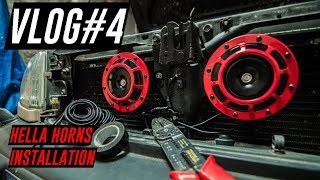
The dual horns are located at the front of the vehicle, right in front of the radiator. You can typically see and access them by removing the front grille.
Can I replace the horn myself?
Yes, this is a very DIY-friendly job. Access is straightforward after removing the plastic clips that hold the grille. The horn is typically held on by a single bolt, and it has one electrical connector. The entire process for both horns should take less than an hour.
Do I need to replace both horns at once?
You don't have to, but it is recommended. The horns are the same age and have been exposed to the same conditions. If one has failed, the other may not be far behind. Replacing them in a pair also ensures a consistent and correct sound.
My horn works with my key fob but not the steering wheel. What's wrong?
This is a classic symptom of a failed clock spring (roll connector) in the steering column. The key fob activates the horn through the body control module, bypassing the steering wheel switch and clock spring. This test confirms that your relay and the horns themselves are working correctly. The problem lies in the circuit within the steering column.
Helpful Videos
Technical Specifications
OEM Part Numbers: 86012FC020 (High Note) 86012FC000 (Low Note)
The 1998-2002 Subaru Forester uses a dual horn system with one high-pitch and one low-pitch horn. They are located in front of the radiator and operate on the vehicle's 12V electrical system.
We Have This Part in Stock


The information in this article is provided for general reference and educational purposes only. Vehicle specifications, procedures, and part compatibility can vary by production date, trim level, and region. Always consult your vehicle's factory service manual and verify part numbers before purchasing or performing repairs. Safety-critical components such as airbags, seat belts, and braking systems should be installed by a qualified professional.
- Subaru Forester: