

A Guide to the Engine Coolant Temperature Sensor for the 1998-2002 Suzuki Swift
Understanding, diagnosing, and replacing the right temperature sensor in your Swift's 1.3L engine.
- The 1998-2002 Swift has two temp sensors; ensure you are buying the two-wire ECT sensor for the ECU, not the one-wire sender for the gauge.
- A bad ECT sensor will cause a check engine light, poor fuel economy, and potential overheating.
- The OEM part number is 13650-50G01; use this to cross-reference and ensure you get the right part.
- Replacement is a simple DIY task that requires draining a small amount of coolant and basic hand tools.
Understanding the ECT Sensor in Your Swift
If you're getting a check engine light with codes related to the coolant sensor, it's important to know that the 1998-2002 Suzuki Swift, like many cars from its time, has two separate components for measuring coolant temperature. This is a common point of confusion that can lead to buying the wrong part.
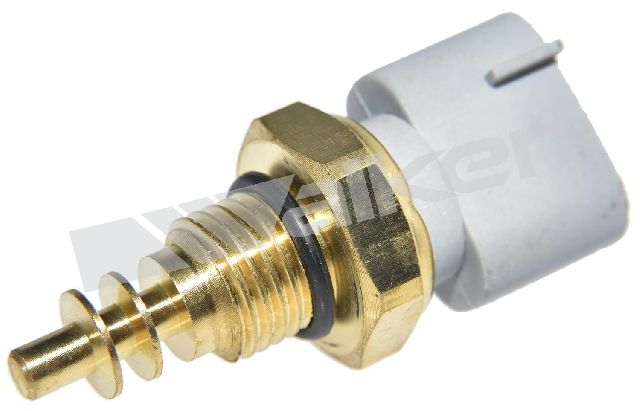
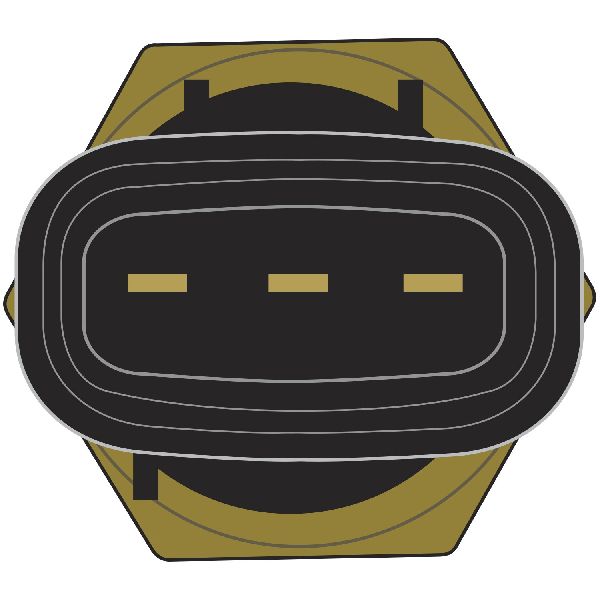
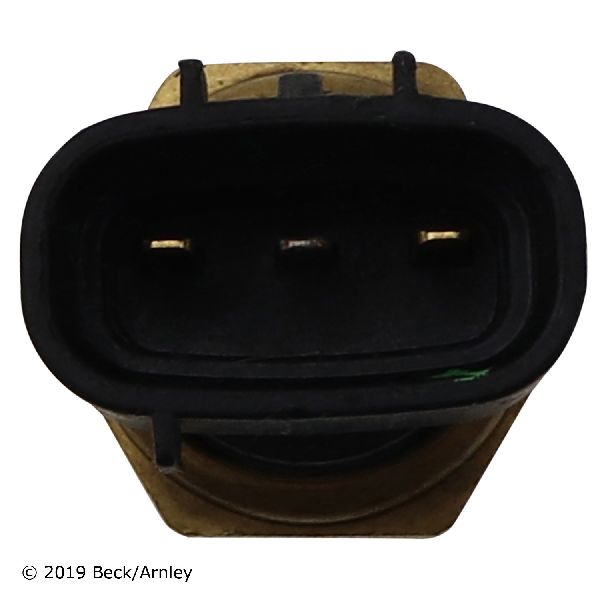
- Engine Coolant Temperature (ECT) Sensor: This is the part that communicates with the engine computer (ECU). It has a two-wire connector. A failure here will cause performance problems and trigger a Check Engine Light. This is the sensor this guide focuses on.
- Temperature Sender/Sending Unit: This part usually has a single wire. Its only job is to operate the temperature gauge on your dashboard. A failure here will cause your gauge to read incorrectly (either nothing or pegged at hot/cold), but it will not affect engine performance or trigger a check engine light.
Common Ordering Mistake
Before ordering, confirm you are replacing the two-wire sensor for the ECU, not the one-wire sender for the gauge. The ECT sensor is the part responsible for the performance symptoms and trouble codes listed in this guide.
Symptoms of a Failing ECT Sensor
A bad ECT sensor sends incorrect data to the ECU, which can make your Swift run poorly. You might experience one or more of the following issues:
- Check Engine Light: The most common sign is a check engine light with codes like P0115, P0116, P0117, or P0118.
- Poor Fuel Economy: If the sensor incorrectly tells the ECU the engine is cold, the computer will inject too much fuel, causing your gas mileage to drop.
- Black Smoke from Exhaust: A very rich fuel mixture may not burn completely, resulting in black smoke from the tailpipe.
- Engine Overheating: On some cars, the ECT sensor also controls the electric cooling fans. If the sensor fails, the fans may not turn on when needed, causing the engine to overheat.
- Rough Idle and Hard Starting: The wrong fuel mixture can cause the engine to idle poorly, shake, or be difficult to start, especially when cold or hot.
Choosing the Right Aftermarket Sensor
For a critical component like the ECT sensor, part quality matters. While an OEM Suzuki part is always a safe bet, quality aftermarket sensors are a cost-effective alternative. The brands available offer different tiers of quality and reputation.
| Brand | General Assessment |
|---|---|
| Beck Arnley | Focuses on meeting OE form, fit, and function for foreign nameplates. They are a well-known aftermarket brand with a reputation for OE-quality parts. |
| Standard Ignition (SMP) | A long-standing manufacturer with a reputation for producing high-quality engine management parts that meet or exceed OEM standards. Their parts are often considered a top-tier aftermarket choice. |
| Walker Products | An established manufacturer of fuel and engine management components, claiming their sensors are 100% tested to meet OE specifications for fit and function. |
| Global Parts | There is very little specific information or user reviews available for this brand's sensors, particularly for Suzuki applications. Choosing a brand with a more established track record for this specific component may be a safer option. |
DIY Replacement Guide
Pro Tip: Finding the Sensor
On the 1.3L (G13B) engine in your Swift, the two-wire ECT sensor for the ECU is typically located on the side of the intake manifold, near the #1 cylinder (the cylinder closest to the belts). Do not confuse it with the single-wire sender for the gauge, which is often on the front of the manifold.
Replacing the sensor is a manageable DIY job for those with basic tools.
- Safety First: Make sure the engine is completely cool. Never open a hot cooling system. Disconnect the negative battery terminal.
- Drain Coolant: To avoid a mess, drain some coolant from the radiator petcock until the level is below the sensor. You don't have to drain it all.
- Remove the Old Sensor: Unplug the electrical connector. Use a deep socket and ratchet to unscrew the old sensor.
- Install the New Sensor: If your new sensor has a sealing washer, make sure it's in place. Thread the new sensor in by hand, then tighten it snugly with your wrench. Do not overtighten.
- Final Steps: Reconnect the electrical connector. Top off the radiator with the coolant you drained. Reconnect the battery, start the engine, and check for leaks.
Frequently Asked Questions (FAQ)
Can I drive with a bad ECT sensor?
It is not recommended for long. While the car may run, you will experience poor performance, terrible fuel economy, and risk engine damage from overheating or running too rich. It's best to get it replaced soon.
What are the OEM part numbers for the 1998-2002 Swift ECT sensor?
The primary OEM part number for the two-wire ECU sensor is Suzuki 13650-50G01. It may also cross-reference to other numbers. Always verify fitment with your specific vehicle.
Are there any recalls for the ECT sensor on the 1998-2002 Swift?
No, there are no recalls or major Technical Service Bulletins (TSBs) issued by Suzuki or the NHTSA for widespread failure of the engine coolant temperature sensor on this vehicle.
Why is my temperature gauge not working but I have no check engine light?
This is likely a failure of the separate, single-wire temperature sender, not the ECT sensor. The sender only controls the gauge and does not communicate with the engine computer, so it won't cause a check engine light or performance issues.
Technical Specifications
OEM Part Numbers: 13650-50G01
Two-wire connector, sends variable resistance signal to ECU. Located on the intake manifold.
We Have This Part in Stock


The information in this article is provided for general reference and educational purposes only. Vehicle specifications, procedures, and part compatibility can vary by production date, trim level, and region. Always consult your vehicle's factory service manual and verify part numbers before purchasing or performing repairs. Safety-critical components such as airbags, seat belts, and braking systems should be installed by a qualified professional.
- Suzuki Swift: