

Catalytic Converter Guide for the 1998-2002 Toyota Corolla
Dealing with a P0420 code or a failed emissions test? Here is what you need to know about replacing your Corolla's catalytic converter.
- Always diagnose the root cause of failure (e.g., bad O2 sensor, oil burning) before replacing the converter, or the new one will fail too.
- The P0420 code on a Corolla does not automatically mean the converter is bad; rule out cheaper fixes like oxygen sensors and exhaust leaks first.
- For best results and to avoid a recurring check engine light, choose a higher-quality aftermarket brand like MagnaFlow or Walker, or a CARB-compliant converter.
- If your Corolla was originally sold in California, you will likely need a CARB-compliant converter to keep the check engine light off, even if you live in an EPA state.
Is Your Corolla's Catalytic Converter Failing?

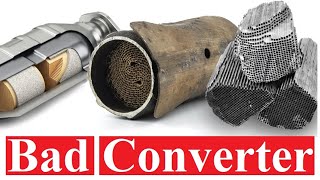
A failing catalytic converter can cause several noticeable problems. The most common sign for this generation of Corolla is the check engine light coming on, often with a P0420 "Catalyst System Efficiency Below Threshold" code. You might also notice your car feels sluggish and doesn't accelerate as well as it used to, your fuel economy gets worse, or you smell a rotten egg or sulfur-like odor from the exhaust. In severe cases, a clogged converter can create so much backpressure that your engine may stall or have trouble running at all.
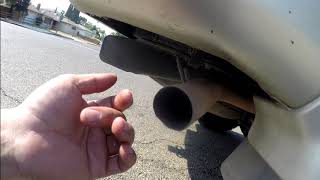
🎬 Watch: 10 common symptoms of a clogged catalytic converterThe P0420 Code Isn't Always the Converter
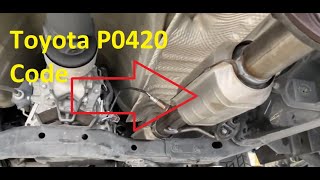
Before you spend money on a new converter, it's important to properly diagnose the P0420 code. On these Toyotas, the code can also be triggered by a failing oxygen sensor, an exhaust leak, or other engine problems like misfires or leaky fuel injectors. A bad oxygen sensor can send incorrect readings, making the car's computer think the converter is bad when it's not. Always rule out these other potential causes first. A mechanic can test the oxygen sensors and check for exhaust leaks to confirm the converter is the true culprit.
🎬 See how to properly diagnose P0420 and P1604 codesChoosing the Right Aftermarket Converter

When replacing the catalytic converter, you have a choice between original equipment manufacturer (OEM) and aftermarket parts. An OEM converter from Toyota will be the highest quality and most durable, but also the most expensive. Aftermarket converters are a more affordable option, but quality can vary significantly between brands.
Brand Quality Tiers
Not all aftermarket brands are created equal. For a sensitive system like the one in your Corolla, choosing a reputable brand is key to avoiding a recurring check engine light.
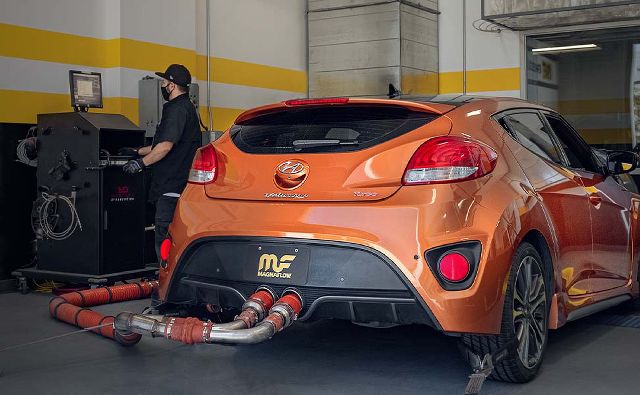
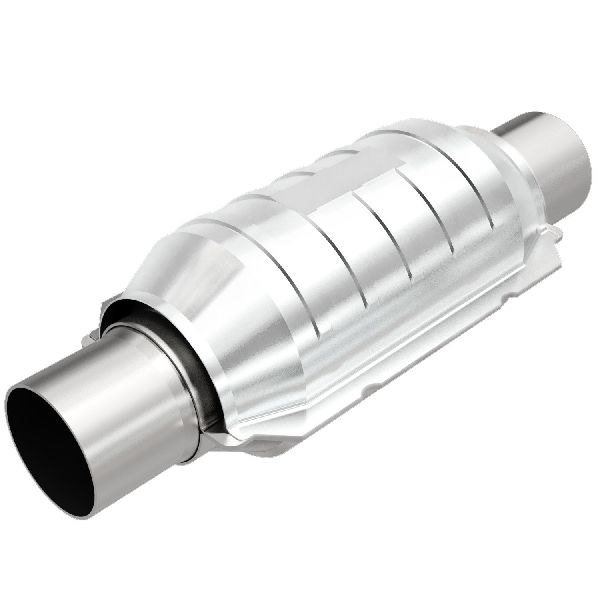
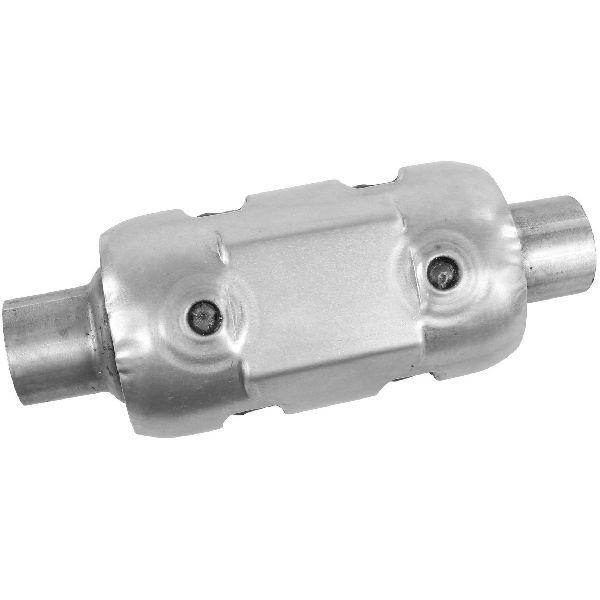
- Higher-Tier (Recommended): Brands like MagnaFlow and Walker are well-regarded in the aftermarket industry. They often use higher-quality materials and more precious metals in their catalysts, making them more likely to work correctly and keep the check engine light off. MagnaFlow is often noted for its performance focus, while Walker is known as a major OEM supplier with a reputation for good fitment.
- Mid-Tier / Economy: Brands like Eastern Catalytic and AP Exhaust offer a more budget-friendly option. While some users have success with these brands, especially for simply passing an emissions test, they may not have the same longevity or catalyst loading as higher-tier options. This can sometimes lead to the P0420 code returning.
- Budget-Focused: Brands like Evan Fischer are known for being very affordable. They are often direct-fit and can be a solution for getting a vehicle back on the road cheaply, but they may have the least amount of catalyst material, increasing the risk of the check engine light returning on a sensitive vehicle.
EPA vs. CARB: Know Your State's Laws
You will see converters listed as either EPA (Federal) or CARB (California Air Resources Board) compliant. CARB-compliant converters are built to a higher standard with more precious metals and are required for vehicles registered in California, Colorado, New York, and Maine. Even if you don't live in a CARB state, if your Corolla was originally built to California emissions standards (check the VECI label under your hood), using a CARB-compliant converter is the best way to ensure the check engine light stays off. EPA converters are legal in all other states but may not have enough catalyst material to satisfy the sensitive computer on a California-emissions Corolla.
What Will It Cost?

The price for a new catalytic converter can vary widely. The table below gives a general idea of what to expect for a 1998-2002 Corolla. Labor costs at a professional shop are typically 1-2 hours for this job.
| Part Type | Estimated Cost |
|---|---|
| New OEM (Toyota) | $1000 - $2000+ |
| New Aftermarket (CARB Compliant) | $450 - $875 |
| New Aftermarket (EPA Federal) | $161 - $500 |
| Shop Labor | $150 - $300 |
Frequently Asked Questions

What causes a catalytic converter to fail?
Catalytic converters usually don't fail on their own. Failure is almost always a symptom of another problem. Common causes include engine misfires, burning oil, a faulty oxygen sensor, or a coolant leak, all of which can send unburned fuel or contaminants into the exhaust, overheating and destroying the converter. It is critical to fix the root cause before installing a new converter, or the new one will quickly fail too.
Can I clean my catalytic converter?
While there are fuel-additive products marketed as catalytic converter cleaners, they are generally not a permanent solution for a converter that is already triggering a P0420 code. These cleaners might temporarily improve efficiency enough to turn the light off for a short time, but they cannot repair a converter that is physically damaged, melted, or coated from oil burning. If the converter is truly failing, replacement is the only real fix.
Why is my check engine light still on after replacing the converter?
This is a common issue, especially when using a lower-cost EPA-grade aftermarket converter on a sensitive Toyota system. The new converter may not have enough precious metals to satisfy the computer's efficiency test. Other causes could be an exhaust leak at the new gaskets, a faulty new oxygen sensor, or the original problem that destroyed the old converter was never fixed.
Is this a difficult DIY job?
For the 1998-2002 Corolla, the catalytic converter is a direct-fit, bolt-on part. For a mechanic with the right tools and a lift, it's a relatively quick job. For a DIYer, it is feasible but can be challenging due to rusty bolts. You will need a good socket set, penetrating oil for the old bolts, and torque wrench. Always use new gaskets and hardware to prevent exhaust leaks.
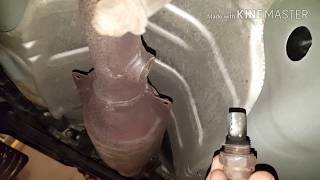
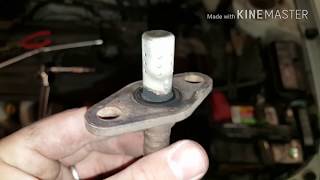
🎬 Watch: Step-by-step guide to replacing the upstream oxygen sensorHelpful Videos
Technical Specifications
OEM Part Numbers: 17460-0D030 17460-0D040 17460-0D070
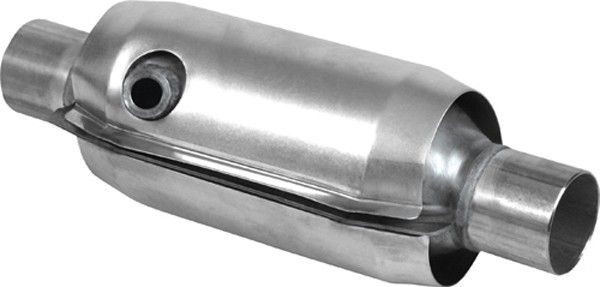
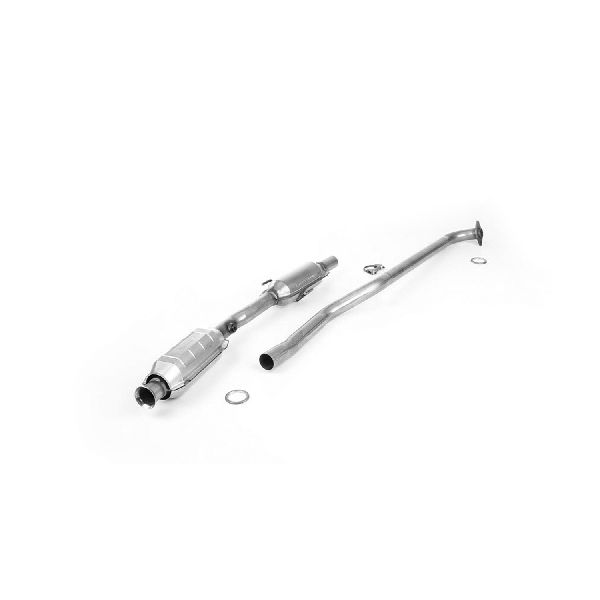
The catalytic converter for the 1998-2002 Toyota Corolla with the 1.8L engine is a direct-fit, undercar unit that includes the mid-pipe assembly. It features a female flare inlet, a 2-bolt flange outlet, and one oxygen sensor port.
We Have This Part in Stock


The information in this article is provided for general reference and educational purposes only. Vehicle specifications, procedures, and part compatibility can vary by production date, trim level, and region. Always consult your vehicle's factory service manual and verify part numbers before purchasing or performing repairs. Safety-critical components such as airbags, seat belts, and braking systems should be installed by a qualified professional.
- Toyota Corolla: