

Understanding and Replacing Control Arms on a 1998-2003 Audi A3 (8L)
Clunking noises and sloppy steering on your A3 could mean it's time for new control arms.
- A clunking noise over bumps is the most common symptom of a bad control arm on the A3 8L.
- Always replace control arms in pairs (left and right) to maintain balanced vehicle handling.
- A professional wheel alignment is mandatory after replacement to prevent unsafe handling and rapid tire wear.
- Tighten the main bushing bolts only when the car's full weight is on the suspension to avoid immediate bushing failure.
Is Your A3's Suspension Making Noise?
The first-generation Audi A3 (known as the 8L) shares its suspension design with other cars from its era, like the VW Golf Mk4. Over time, the control arm components wear out. The most common failures are the rubber bushings, which crack and degrade, and the ball joints, which develop looseness. When these parts fail, you will notice changes in how your car drives and sounds.
Common Failure Symptoms
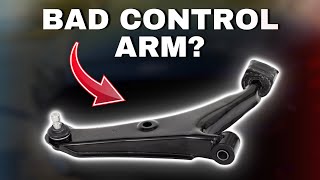
🎬 Watch: See and hear these common bad control arm symptoms.- Clunking or Knocking Noises: This is the most frequent sign. You'll hear a distinct clunk or pop from the front suspension, especially when driving over bumps, potholes, or turning at low speeds. This sound is often the result of worn bushings allowing metal-on-metal contact.
- Sloppy or Vague Steering: If your steering feels less precise or the car wanders on the road, it could be due to worn control arm bushings. This looseness prevents the wheels from being held firmly in place.
- Vibrations in the Steering Wheel: Worn components can cause a shimmy or vibration that you feel through the steering wheel, particularly at higher speeds.
- Uneven Tire Wear: A bad control arm will affect your wheel alignment, causing tires to wear out unevenly on the inside or outside edges.
Choosing the Right Aftermarket Control Arm
When it's time for a replacement, you don't have to buy the expensive OEM (Original Equipment Manufacturer) part from a dealer. Aftermarket parts offer a range of options that balance cost and quality. For your 1998-2003 A3, here's a breakdown of the available brands.
Brand Quality Tiers
OEM-Equivalent (Good Quality):
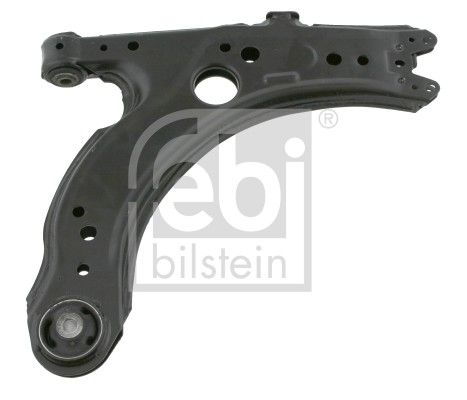
- Febi Bilstein: Febi is a well-regarded German brand. They are known for making parts that are very close to original factory quality. While most experiences are positive, some forum users have reported premature failures, highlighting the importance of proper installation. Incorrect installation, such as tightening bolts without the car's weight on the suspension, can cause any brand's bushings to fail early.
- OCAP: An Italian manufacturer that is an original equipment supplier to several car brands, including VW and Audi. They are generally considered a high-quality option with a good reputation for their suspension components.
Standard Aftermarket (Good Value):
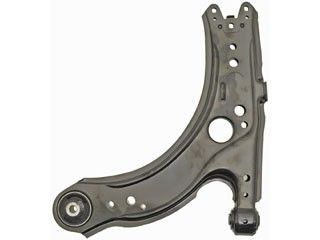
- Dorman: Dorman is a large aftermarket company offering a wide range of parts. They focus on providing a reliable replacement that meets original design specifications and often include improvements for durability, like extra rust-resistant coatings. They are a common choice for many repairs.
Economy (Budget-Focused):
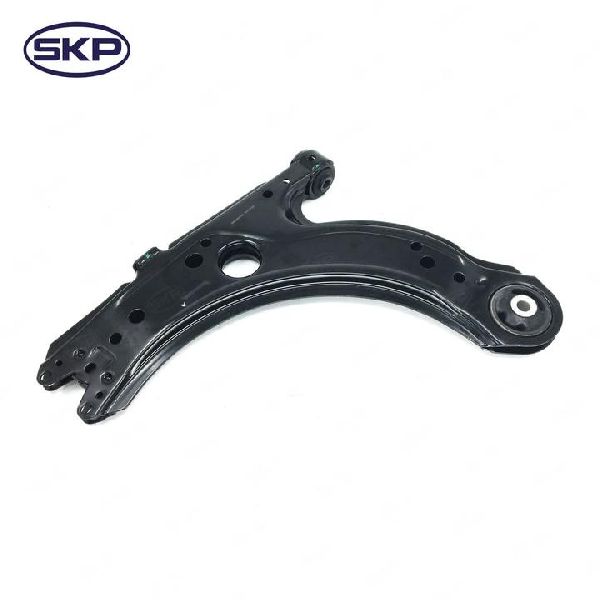
- Skyward: This brand falls into the budget-friendly category. While there is limited specific information on Skyward control arms, economy parts are a choice for drivers who need to fix their car on a tight budget. The trade-off may be in the longevity of the materials compared to higher-priced brands.
Pro Tip: The front lower control arms on the Audi A3 8L are a simple stamped steel design, unlike the complex multi-link setups on larger Audis. This means that even budget-friendly arms can perform adequately, but the quality of the included bushings and ball joints is what truly determines how long the repair will last.
How Much Does Replacement Cost?
The cost can vary based on your location and whether you do the work yourself or use a professional mechanic. The parts themselves are relatively inexpensive for this vehicle.
| Item | Estimated Cost |
|---|---|
| New Aftermarket Control Arm | $47 - $72 |
| Shop Labor | $168 - $350 |
| Wheel Alignment (Required) | $80 - $150 |
| Total Professional Replacement (Per Side) | $295 - $572 |
Frequently Asked Questions (FAQ)
Do I need a wheel alignment after replacing a control arm?
Yes, absolutely. Replacing a control arm will change the suspension geometry. A professional wheel alignment is required immediately after the job to ensure your car drives straight, handles safely, and does not cause premature tire wear.
Should I replace control arms on both sides at the same time?
It is highly recommended. If one control arm has failed due to age and wear, the other side is likely not far behind. Replacing them in pairs ensures balanced handling and suspension performance.
Can I just replace the bushings instead of the whole arm?
While it is sometimes possible to press out old bushings and install new ones, it requires special tools. Given the low cost of a complete new control arm assembly (which includes new bushings and a new ball joint), replacing the entire unit is almost always easier and more cost-effective for a DIY mechanic.
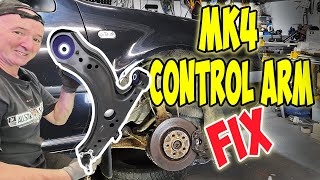
🎬 Watch this DIY walkthrough for the shared Golf Mk4 platform.What are the most common mistakes when replacing control arms?
The biggest mistake is tightening the bushing bolts while the suspension is hanging in the air. The final tightening of the bolts must be done with the full weight of the car on its wheels (at normal ride height). Failing to do this will twist and preload the new rubber bushings, causing them to fail very quickly.
Helpful Videos
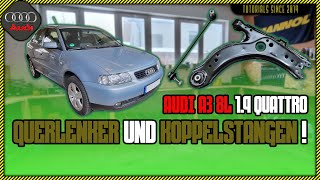
![How to change front suspension arm / front control arm on AUDI A3 1 (8L1) [TUTORIAL AUTODOC]](https://img.youtube.com/vi/VJlWga8i5RE/mqdefault.jpg)
![How to change front suspension arm / front control arm on VW GOLF 4 (1J1) [TUTORIAL AUTODOC]](https://img.youtube.com/vi/mQUt93TYGyM/mqdefault.jpg)
Technical Specifications
OEM Part Numbers: 1J0407151C 1J0407151B 1J0407151A
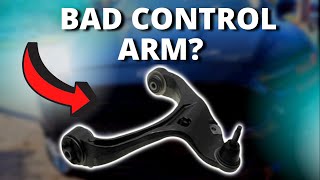
The 1998-2003 Audi A3 (8L) uses a single lower control arm made of stamped steel with a non-serviceable ball joint and two rubber bushings. This design is shared with the VW Golf Mk4, Seat Leon Mk1, and Skoda Octavia Mk1.
We Have This Part in Stock


The information in this article is provided for general reference and educational purposes only. Vehicle specifications, procedures, and part compatibility can vary by production date, trim level, and region. Always consult your vehicle's factory service manual and verify part numbers before purchasing or performing repairs. Safety-critical components such as airbags, seat belts, and braking systems should be installed by a qualified professional.
- Audi A3: