

A Comprehensive Guide to 1998-2003 Chevrolet Camaro Ignition Coils
Is your LS1-powered Camaro running rough? This guide will help you diagnose and choose the right replacement ignition coils.
- The factory LS1 ignition coils are highly reliable; for most owners, an OEM-equivalent brand like Delphi is the best choice.
- Symptoms almost always include a check engine light with a misfire code (P0300-P0308) and a rough-running engine.
- This is an easy DIY replacement that requires basic tools and can be done in under 30 minutes per coil.
- A common diagnostic trick is to swap the coil from the misfiring cylinder with a known good one and see if the problem follows the coil.
Symptoms of a Failing Ignition Coil
The factory ignition coils on the fourth-generation Camaro are known to be very durable, but they can fail over time. When a coil starts to go bad, it usually won't leave you stranded immediately, but you'll notice performance problems. The most common diagnostic step is to swap the suspected bad coil with one from a different cylinder. If the misfire code moves to the new cylinder, you've found your faulty coil.
- Check Engine Light: This is the most common first sign. The onboard computer will detect a misfire and trigger a code, most often a P0300 for a random misfire, or a specific cylinder code like P0301, P0302, etc.
- Rough Engine Idle: Your Camaro may shake or vibrate more than usual when stopped at a light.
- Engine Misfiring: You'll feel the engine hesitate, stumble, or sputter, especially when you accelerate.
- Reduced Power: Your car will feel sluggish and won't accelerate as quickly as it should.
- Worse Fuel Economy: When a cylinder isn't firing correctly, unburnt fuel is wasted, and you'll find yourself at the gas station more often.
- Gas Smell: A strong smell of gasoline from the exhaust can be a sign of unburnt fuel from a misfiring cylinder.
Choosing the Right Aftermarket Ignition Coil
When it comes to ignition coils for the LS1 engine, not all parts are created equal. The original factory coils are exceptionally good, and for most owners, there's little reason to "upgrade."
Aftermarket Brand Tiers
| Tier | Brands | Notes |
|---|---|---|
| OEM / OEM-Equivalent | ACDelco, Delphi | Delphi was the original manufacturer for GM, so this is the closest you can get to the factory part. For stock or lightly modified cars, this is the most recommended and reliable choice. |
| Performance Aftermarket | MSD, Pertronix, Hella, Mishimoto | These brands offer coils that claim higher voltage output for a stronger spark. While they may offer benefits in highly modified, boosted, or racing applications, they are generally considered unnecessary and offer no noticeable performance gain for a daily driver. They are often chosen for their appearance (e.g., red MSD coils). |
| Standard Replacement | NGK, Standard Ignition (SMP), Walker, Hitachi, Holstein | These are reputable brands that produce reliable replacement parts that meet or exceed original specifications. They are a solid choice if OEM parts are not available or are outside your budget. |
| Economy | DriveWire, Global Parts, Prenco, Skyward, True Tech | These are budget-friendly options. While they will work, their long-term durability and performance may not match that of higher-tiered brands. Many enthusiasts recommend using known-good used OEM coils over new economy coils. |
Pro Tip: The original LS1 coils are so reliable that many owners on forums agree that for a stock engine, there's no real performance benefit to using expensive aftermarket "performance" coils. Sticking with Delphi or ACDelco is a safe bet.
Known Issues, Recalls, or TSBs
Searches for official recalls or Technical Service Bulletins (TSBs) specifically for ignition coil failure on the 1998-2003 Chevrolet Camaro came up empty. While there were major GM recalls for the ignition switch in other models and years, these do not apply to the ignition coils on the 4th-generation Camaro. The ignition system on the LS1 engine is considered very robust, and failures are typically due to age and heat cycles rather than a specific manufacturing defect.
Frequently Asked Questions (FAQ)
Do I need to replace all eight ignition coils at once?
No, it is not necessary. Unlike spark plugs, you can replace only the single coil that has failed. However, if your car has high mileage and one coil has failed, it's possible others may fail soon. Some owners choose to replace all four coils on the same side of the engine for peace of mind.
Is replacing an ignition coil a difficult DIY job?
No, this is a very easy job for a DIY mechanic. It requires basic tools, and each coil is held on by just two bolts. The entire process for a single coil can take less than 30 minutes.
What is the most common mistake when ordering?
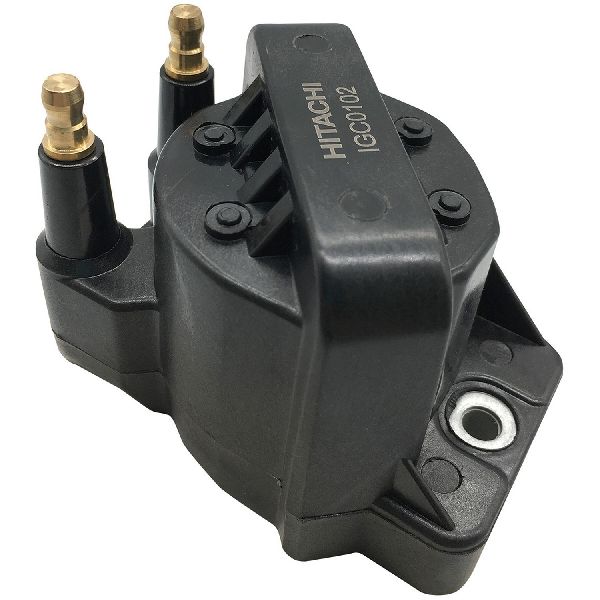
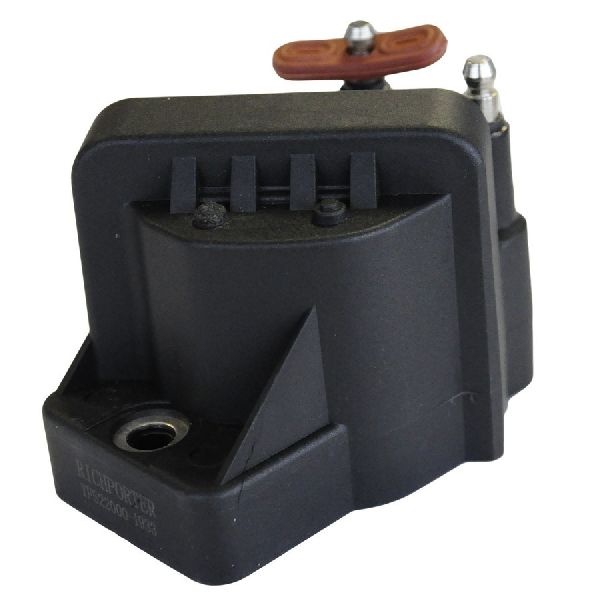
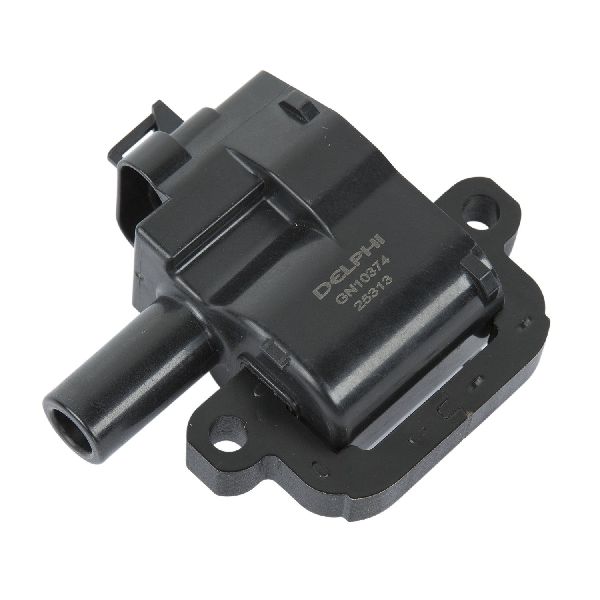
The 1998-2003 Camaro uses a specific square-shaped coil (GM type D580). While other LS engine coils might look similar, they can have different connectors or mounting points. Always verify the part number (12558948) or use your vehicle's specific information when ordering.
Will a performance ignition coil give my Camaro more horsepower?
On a stock or lightly modified engine, no. The factory ignition system is more than capable of providing enough spark. Performance coils are only beneficial in very high-horsepower, forced-induction (turbo or supercharged) applications where preventing spark blow-out is a concern.
Helpful Videos
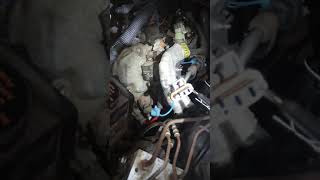
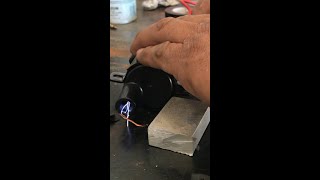

Technical Specifications
OEM Part Numbers: 12558948 12556450 D580
Coil Style: Coil-near-plug, Shape: Square
We Have This Part in Stock


The information in this article is provided for general reference and educational purposes only. Vehicle specifications, procedures, and part compatibility can vary by production date, trim level, and region. Always consult your vehicle's factory service manual and verify part numbers before purchasing or performing repairs. Safety-critical components such as airbags, seat belts, and braking systems should be installed by a qualified professional.
- Chevrolet Camaro: