

Chevrolet Impala 2000-2003 Catalytic Converter Replacement Guide
If your Impala is losing power or has the check engine light on, the catalytic converter could be the problem.
- A clogged converter on the 3.8L V6 can cause a dangerous intake plenum failure; address power loss issues immediately.
- The most common sign of failure is the P0420 check engine light code, accompanied by a loss of power.
- Replacement is a bolt-on job suitable for DIY, with rust being the main obstacle.
- Always fix the root cause of the failure (like engine misfires) to avoid damaging the new converter.
Is Your Impala's Catalytic Converter Failing?

When the catalytic converter on a 2000-2003 Impala starts to fail, the signs can range from subtle to severe. A failing converter can get clogged, restricting exhaust flow and causing serious performance issues. In some cases, the internal honeycomb structure can break apart and cause a rattling sound.
Key Failure Symptoms:
- Check Engine Light: This is the most common sign. The light is often triggered by code P0420, which means the converter's efficiency is below the required threshold.
- Loss of Power: Your car may feel sluggish, struggle to accelerate, or refuse to go over a certain speed or RPM. 🎬 Watch: Diagnosing a clogged converter on a 3.8L Impala This is a classic symptom of a clogged converter creating too much backpressure in the exhaust.
- Rotten Egg Smell: A strong sulfur or rotten egg smell from the exhaust indicates that the converter isn't properly processing the gases.
- Rattling Noise: A rattling sound from under the car, especially when starting or idling, can mean the ceramic catalyst inside the converter has broken apart.
Warning for 3.8L Engine Owners
If you have the 3.8L V6 engine, a severely clogged catalytic converter can be dangerous. Extreme exhaust backpressure can cause heat to build up and potentially melt the plastic intake plenum. This creates a serious fire risk. If you have a 3.8L Impala with a major loss of power, address the issue immediately.
Choosing the Right Aftermarket Converter

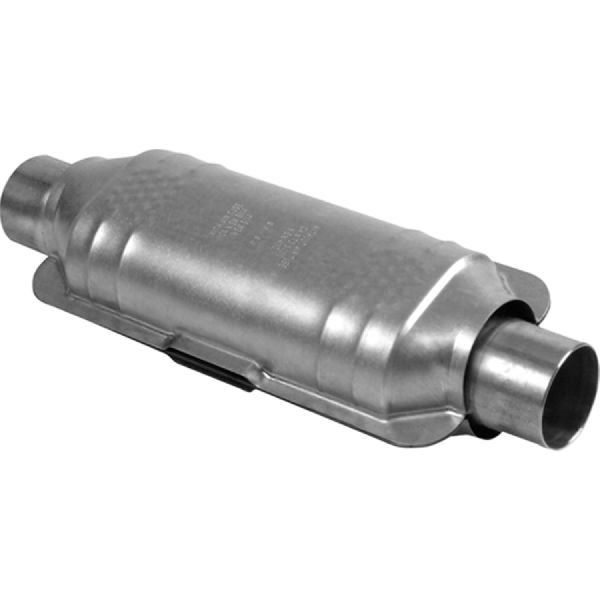
For a vehicle of this age, an aftermarket catalytic converter is the most practical and affordable choice. Original GM parts are often discontinued or prohibitively expensive. Aftermarket brands offer direct-fit options, meaning they are designed to bolt on without any cutting or welding. When choosing, consider your budget and how long you plan to keep the car.
Brand Tiers:
- Premium (Performance & Longevity): MagnaFlow is a top-tier brand known for high-quality stainless steel construction and excellent performance. They often meet stricter emissions standards, including CARB options for states like California. An owner reported using a MagnaFlow converter to fix a restricted exhaust on a 2000 Impala with long-term success.
- Mid-Grade (OEM-Style Replacement): Walker Exhaust is a well-regarded brand that provides a reliable, OEM-like fit and function. Forum users often recommend them as a solid choice that balances cost and quality, and they have a reputation for keeping the P0420 code away.
- Economy (Budget-Friendly): Brands like AP Exhaust, Eastern Catalytic, and Evan Fischer offer the most affordable options. They are a good choice if you need to pass an emissions test on a budget. However, reviews can be mixed; some users report success, while others mention fitment issues or a shorter lifespan. These brands often come with a 5-year/50,000-mile warranty, which is good for the price point.
Federal vs. CARB Converters
Always check your state's emissions requirements. If you live in California, New York, Colorado, or Maine, you will need a more expensive CARB-compliant converter. Federal (EPA) converters are legal in most other states. Installing the wrong type will cause you to fail an emissions test.
What to Expect for Replacement Costs

The cost of replacing your Impala's catalytic converter depends on the part you choose and whether you do the work yourself.
| Cost Type | Estimated Price |
|---|---|
| New Aftermarket Part | $140 - $1,400 |
| Shop Labor | $150 - $300 |
| Total Professional Job | $290 - $1,700 |
Cost estimates are for reference only and can vary by location and part brand. The wide price range for parts reflects the difference between standard Federal/EPA converters and premium or CARB-compliant models.
Frequently Asked Questions

Why did my catalytic converter fail?
Converters usually don't fail on their own. The failure is typically a symptom of another problem. Common causes include engine misfires from bad spark plugs or a faulty fuel injector, which allow unburned fuel to enter the exhaust and overheat the converter. It's crucial to fix the root cause, or your new converter will likely fail prematurely. GM even issued a Technical Service Bulletin (TSB #PIP5232C) acknowledging issues that can lead to premature converter failure on its vehicles.
Is it hard to replace the Impala's catalytic converter myself?
For a 2000-2003 Impala, the converter is a bolt-on part. If you are comfortable working under your car, it is a manageable DIY job. The biggest challenge will be dealing with rusty bolts. You will need a good socket set, penetrating oil to soak the bolts, and jack stands to safely lift the vehicle. No welding is required for a direct-fit unit.
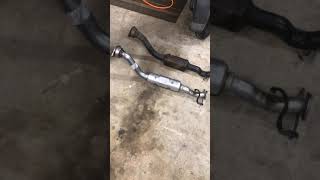
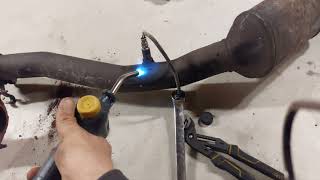
🎬 See this step-by-step guide to replacing your converter and downpipeWhat is the P0420 code?
The P0420 code means "Catalyst System Efficiency Below Threshold (Bank 1)." Your car's computer uses two oxygen sensors, one before and one after the converter, to measure its efficiency. If the readings from both sensors are too similar, the computer determines the converter is not doing its job and triggers the check engine light with this code. While a bad oxygen sensor can sometimes cause this code, it most often points to a failing catalytic converter.
🎬 Watch: Understanding P0420 causes and how to fix themCan I drive with a bad catalytic converter?
While you can technically drive the car, it's not recommended, especially if you are experiencing a severe loss of power. A clogged converter can cause engine damage over time and, on the 3.8L model, could even lead to a fire hazard. If the converter is merely inefficient and triggering a check engine light, the car is driveable but will not pass an emissions test.
Helpful Videos
Technical Specifications
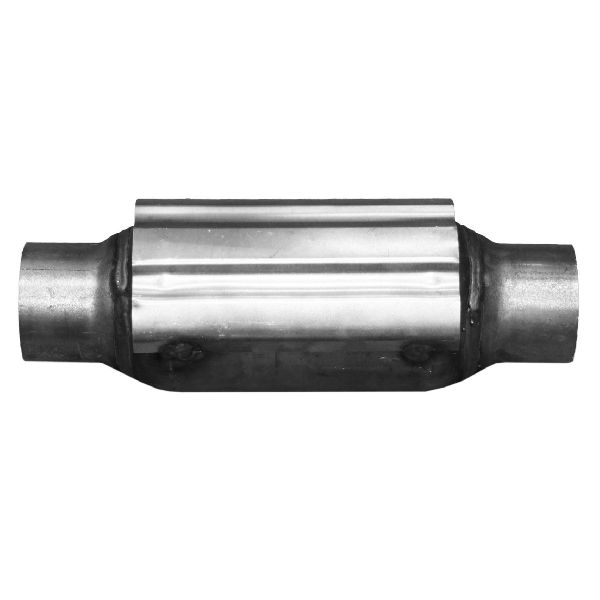
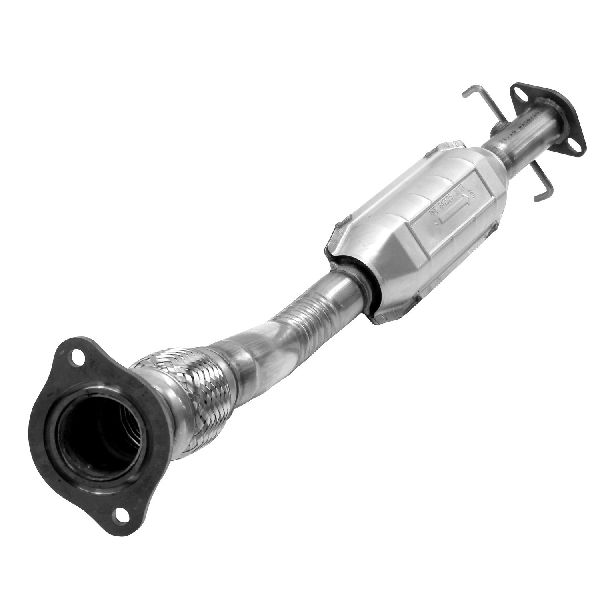
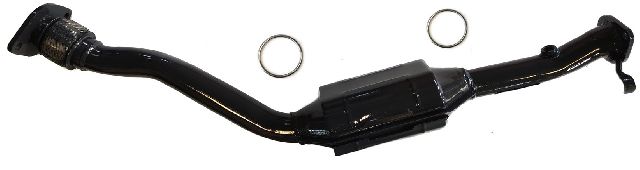
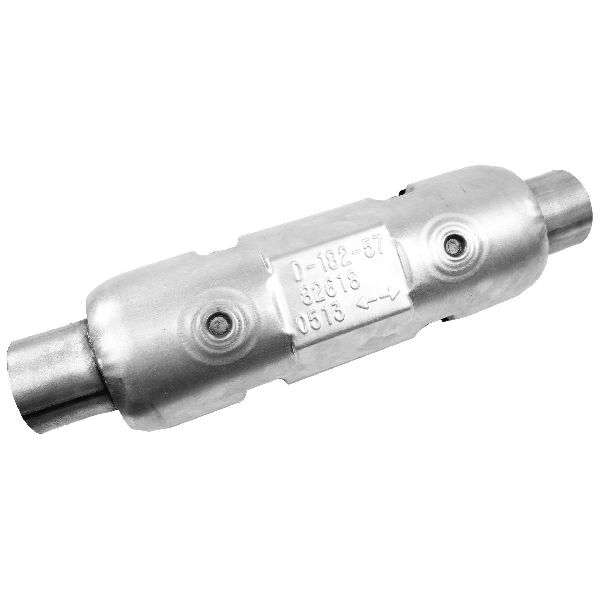
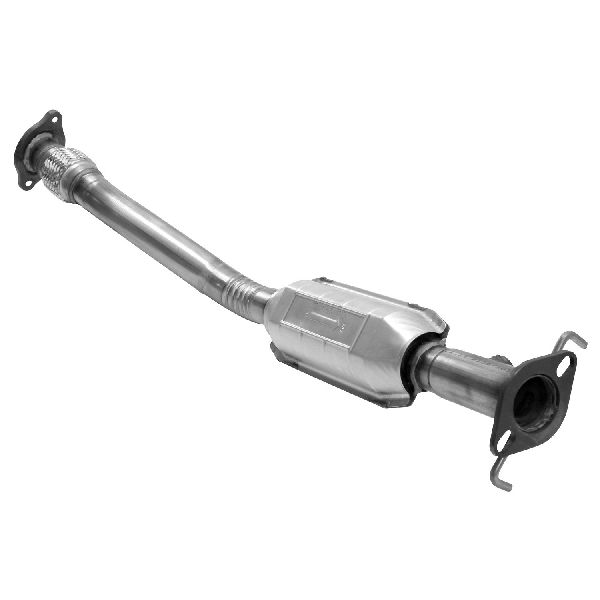
The catalytic converter for the 2000-2003 Impala is a direct-fit, bolt-on assembly. It is available for both the 3.4L and 3.8L V6 engines. The assembly includes the converter, connecting pipes, and flanges for installation between the exhaust manifold and the rest of the exhaust system. Aftermarket units are available in Federal (EPA) and CARB-compliant versions to meet different state emission laws.
We Have This Part in Stock

The information in this article is provided for general reference and educational purposes only. Vehicle specifications, procedures, and part compatibility can vary by production date, trim level, and region. Always consult your vehicle's factory service manual and verify part numbers before purchasing or performing repairs. Safety-critical components such as airbags, seat belts, and braking systems should be installed by a qualified professional.
- Chevrolet Impala: