

Chevrolet Tracker Serpentine Belt Replacement Guide (1998-2003)
Find the right serpentine belt for your Tracker and learn how to spot common issues before they leave you stranded.
- Confirm your engine size (2.0L 4-Cylinder or 2.5L V6) before ordering, as they use different belt systems.
- Squealing noises are often caused by a failing belt tensioner, not just the belt. Inspect it during replacement.
- Quality aftermarket brands like Gates, Dayco, and Continental are reliable and cost-effective alternatives to OEM.
- If the belt breaks, you will lose power to critical systems and should pull over immediately to prevent engine damage from overheating.
Signs of a Failing Serpentine Belt

A serpentine belt is a wear item, meaning it will eventually need to be replaced. Look for these common symptoms to know when it's time for a new one. Ignoring them can lead to the belt snapping, which can cause engine overheating and leave you stranded.
- Squealing or Chirping Noises: This is the most common sign. A high-pitched squeal, especially on startup or when turning the A/C on, often means the belt is slipping because it's worn or the tensioner is weak.
- Visible Wear and Damage: Look at the belt. If you see cracks, fraying, missing ribs, or a glazed, shiny surface, it's time for a replacement.
- Accessory Problems: If your power steering feels heavy, your A/C isn't blowing cold, or your battery light comes on, it could be a slipping belt failing to power those components properly.
- Engine Overheating: If the belt drives the water pump, a failure will stop coolant from circulating, causing the engine to overheat quickly.
A Note on Belt Tensioners
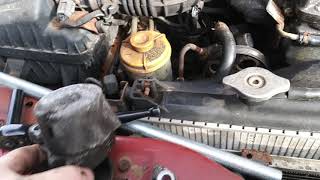
For the 1998-2003 Tracker, a squealing noise is very often caused by a failing belt tensioner, not just the belt itself. The tensioner is a spring-loaded or adjustable pulley that keeps the belt tight. If the tensioner is worn, a new belt will continue to squeal or may even fly off. It is highly recommended to inspect the tensioner when replacing the belt and replace it if it's noisy, stiff, or shows signs of a broken bracket.
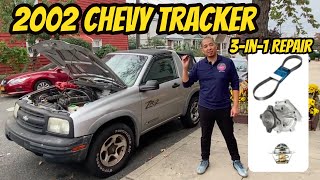
🎬 Watch this 2.0L tensioner replacement and belt squeal fix.Choosing the Right Aftermarket Belt

Original Equipment (OEM) belts for your Tracker were made to a high standard, but modern aftermarket belts from reputable brands are just as good, if not better. They often use advanced EPDM rubber compounds that resist heat and cracking well. For a part like this, a quality aftermarket brand offers excellent performance and value.
The brands available in our inventory are all well-regarded in the industry:
- Gates: A very popular and trusted brand, often used as the original equipment manufacturer for many car companies. They are known for quality and durability.
- Dayco: Another top-tier brand that is a common choice for professional mechanics. They are known for making reliable belts that address noise issues on troublesome drives.
- Continental: Known for quiet operation and high-quality construction, Continental (formerly Goodyear Gatorback) is a preferred brand for many technicians.
You can't go wrong with any of these three brands. The best choice is often the one that fits your budget and is readily available. Avoid unbranded, "white-box" parts, as the small savings are not worth the risk of being stranded.
Common Ordering Mistakes

The biggest mistake is ordering a belt for the wrong engine. The 1998-2003 Tracker came with two main engine options that use different belt systems:
- 2.0L 4-Cylinder: Uses a single serpentine belt with an automatic tensioner.
- 2.5L V6: Uses two separate belts with a manually adjusted idler pulley system.
Always confirm your engine size before ordering to ensure you get the correct part(s).
| Part | Cost Range |
|---|---|
| Aftermarket Serpentine Belt | $8.43 - $43.25 |
| Aftermarket Belt Tensioner | $25 - $105 |
Frequently Asked Questions (FAQ)

How often should I replace my Tracker's serpentine belt?
There is no exact mileage, but a general guideline is to inspect the belt every 40,000 miles and plan for replacement between 60,000 and 100,000 miles, or as soon as you see signs of wear like cracking or fraying.
Can I replace the serpentine belt myself?
Yes, this is a DIY-friendly job for many owners. For the 2.0L engine, you'll need a wrench or breaker bar (often 14mm or 15mm) to release the automatic tensioner. For the 2.5L V6, it's more involved, requiring you to loosen pulley bolts and set the tension manually. 🎬 See how to replace both belts on the 2.5L V6. Always make a diagram or take a picture of the belt routing before you start.
Should I replace the tensioner and pulleys with the belt?
It's a good idea, especially if your vehicle has high mileage or if the belt failed prematurely. A worn tensioner or idler pulley bearing is a common cause of belt failure and noise on the Tracker. Replacing them with the belt is preventative maintenance that can save you from doing the job twice.
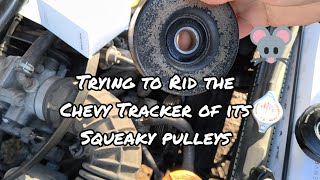
🎬 Watch: How to replace a worn belt tensioner pulley.What happens if the serpentine belt breaks while driving?
Your vehicle will stop running very quickly. You will immediately lose power steering, making the wheel very hard to turn. The alternator will stop charging the battery, so the battery light will come on. Most importantly, the engine will overheat rapidly if the water pump is driven by the belt. Pull over safely as soon as possible.
Helpful Videos
Technical Specifications
OEM Part Numbers: 30021607 30026873 30027112 91174492
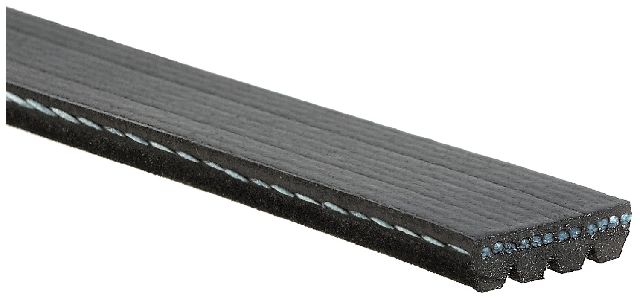
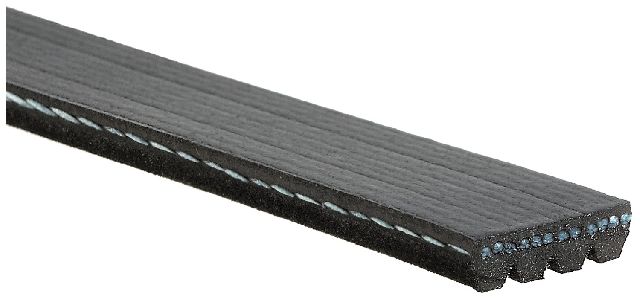
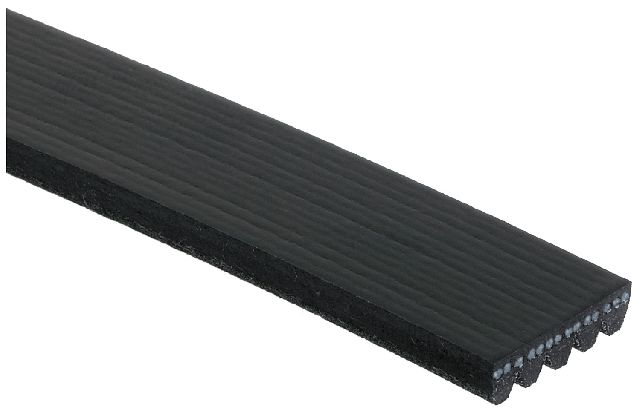
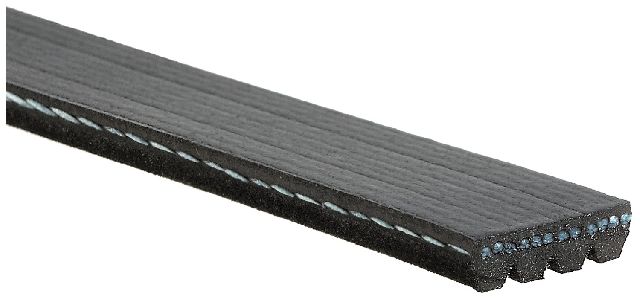
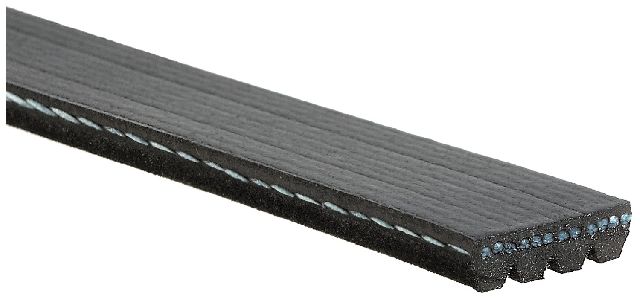
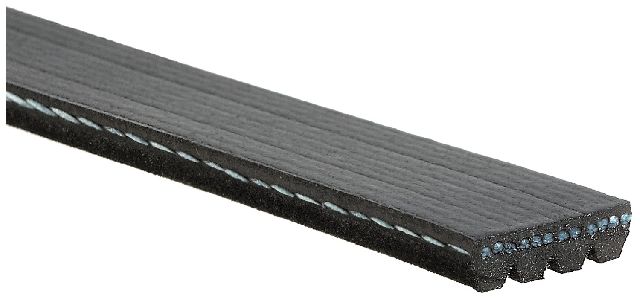
Varies by engine. The 2.0L engine uses a single multi-rib (serpentine) belt. The 2.5L V6 engine uses two separate belts. Belts are made of EPDM rubber.
We Have This Part in Stock

The information in this article is provided for general reference and educational purposes only. Vehicle specifications, procedures, and part compatibility can vary by production date, trim level, and region. Always consult your vehicle's factory service manual and verify part numbers before purchasing or performing repairs. Safety-critical components such as airbags, seat belts, and braking systems should be installed by a qualified professional.
- Chevrolet Tracker: