

Dodge Durango A/C Expansion Valve Guide for 1998-2003 Models
If your first-generation Durango's A/C is blowing warm, the expansion valve is a common part to suspect.
- A bad expansion valve is a common cause of poor A/C performance in 1998-2003 Durangos, with symptoms like warm air or frost.
- Replacement is not recommended for DIYers due to the legal need for refrigerant recovery equipment.
- Always replace the receiver/drier at the same time as the expansion valve to ensure system longevity.
- Be aware that the mounting bolts are prone to seizing, which can complicate the repair.
Is Your Durango's A/C Blowing Warm Air?
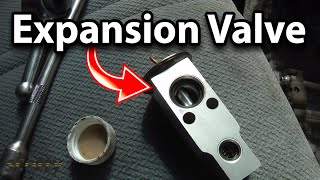
When the air conditioning in a 1998-2003 Dodge Durango stops blowing cold, the A/C expansion valve is a frequent culprit. This component, also known as a TXV, regulates refrigerant flow. A failure can lead to a range of annoying and uncomfortable symptoms, from weak cooling to a complete lack of cold air. Understanding these symptoms can help you decide if it's time for a replacement.
Common Failure Symptoms
A bad expansion valve can show itself in several ways. Pay attention to these signs:
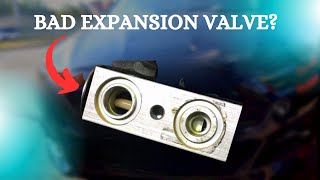
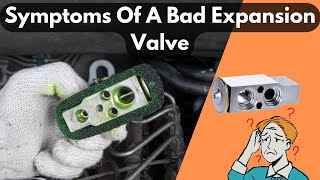
🎬 Watch: Top 9 symptoms of a bad expansion valve- Warm or Inconsistent Air: The most common symptom is warm air blowing from the vents, even when the A/C is on full blast. You might also notice the air temperature fluctuating between cool and warm.
- Frost on Vents or A/C Lines: If the valve is stuck open, it can allow too much refrigerant into the evaporator, causing it to get too cold and freeze. This can result in frost building up on the A/C lines near the firewall or even blowing out of the vents.
- A/C Compressor Always On: A valve that is stuck may cause the A/C compressor to run non-stop instead of cycling as it should.
- Hissing Sound: Some drivers report hearing a hissing or gurgling noise from the dashboard area, which can indicate a problem with refrigerant flow through the valve.
A Note on Vehicle-Specific Issues
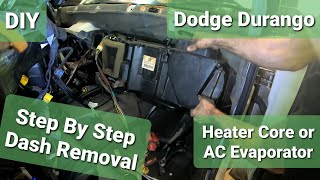
For the 1998-2003 Durango, the expansion valve is located on the passenger side of the firewall. A well-known issue during replacement is that the steel mounting screws can seize inside the aluminum valve body. If these screws break during removal, it can complicate the repair significantly, potentially requiring replacement of the evaporator. 🎬 See this walkthrough for replacing the evaporator and heater core Applying penetrating oil beforehand and using caution is highly recommended.
Choosing the Right Aftermarket Expansion Valve
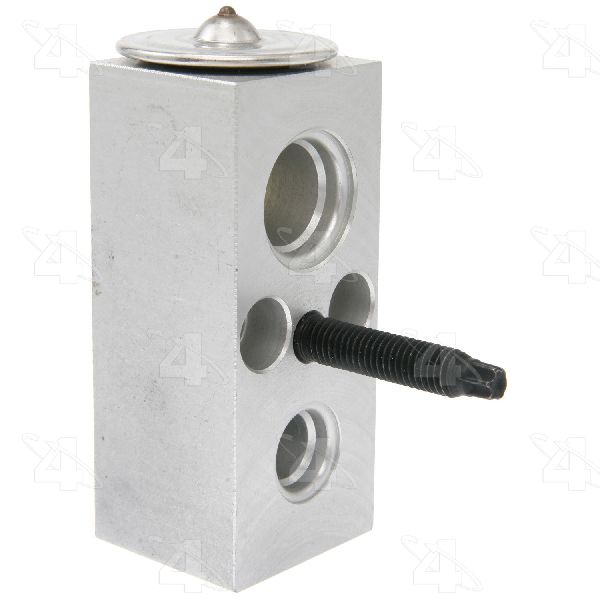
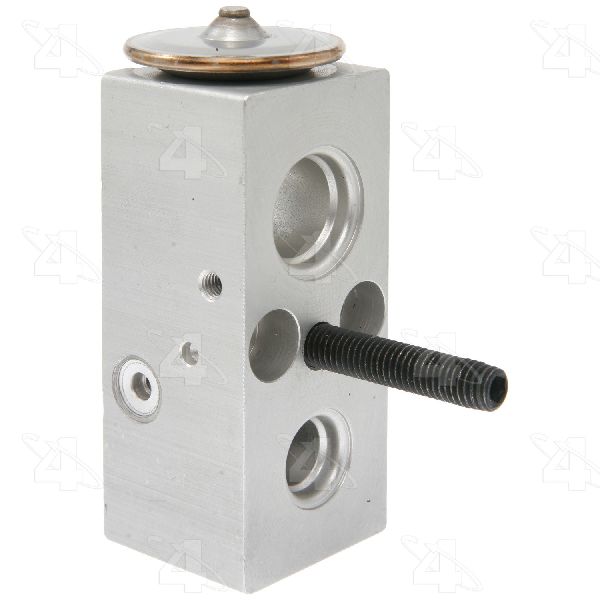
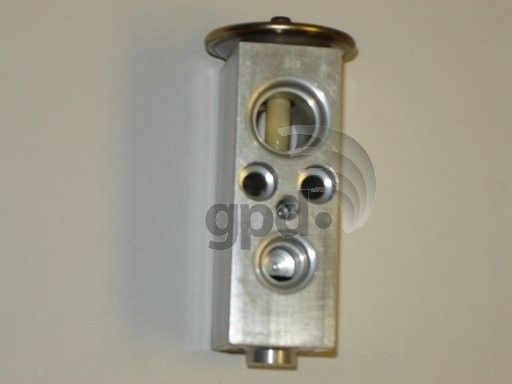
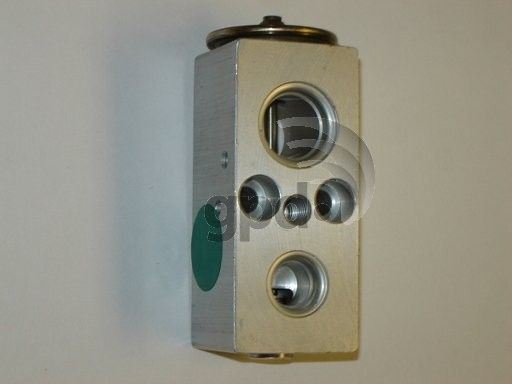
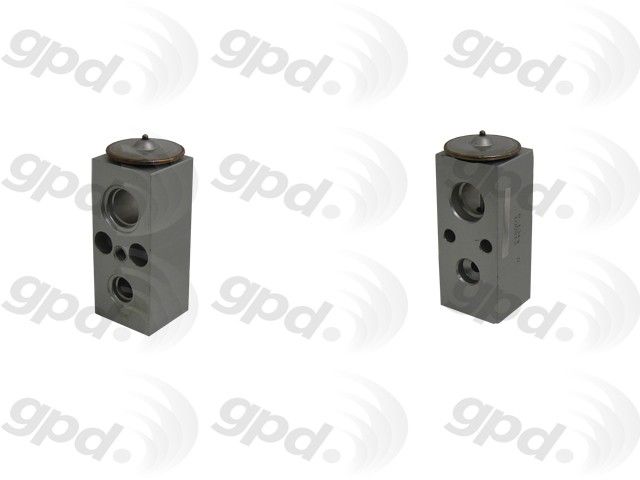
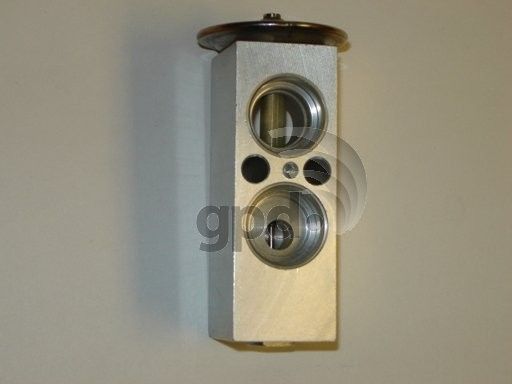
For a vehicle of this age, an aftermarket expansion valve is a cost-effective choice. The quality of OEM Mopar parts is excellent, but often not necessary for a simple component like this. The two common brands you'll find are Four Seasons and Global Parts (GPD).
- Four Seasons: This is a widely trusted brand in the aftermarket A/C parts world. They are known for producing reliable components that offer a good balance of quality and price, making them a safe bet for most repairs.
- Global Parts (GPD): This brand typically offers a more budget-friendly option. While they are a functional choice, there is less long-term reliability data available from owner forums compared to Four Seasons.
Pro Tip: Whenever you replace an expansion valve, you MUST also replace the A/C system's receiver/drier (or accumulator). The drier contains a desiccant that absorbs moisture, and once the system is opened to the atmosphere, it becomes saturated and must be replaced to protect the new components.
Cost of Replacing a Durango Expansion Valve
The cost can be broken down into parts and labor. The biggest factor is whether you do it yourself or hire a professional.
| Part/Service | Estimated Cost |
|---|---|
| New Aftermarket Valve | $10 - $57 |
| New OEM Mopar Valve | $80 - $150+ |
| Shop Labor & System Recharge | $150 - $300 |
| Total Professional Job | $160 - $357+ |
Note: Labor costs vary by location. The A/C system must be professionally evacuated and recharged, which is included in the labor estimate.
Frequently Asked Questions
Can I replace the expansion valve myself?
This is a difficult DIY job. It is illegal to release refrigerant into the atmosphere, so you need a special machine to recover it. The system must also be put under a deep vacuum to remove moisture before recharging. Given the specialized equipment and the risk of breaking seized bolts, this job is best left to a qualified mechanic.
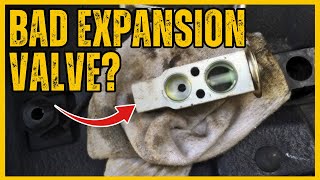
🎬 Watch: How to replace an expansion valve in your carDo I need to add oil when replacing the valve?
Yes. You should always lubricate the new O-rings with the correct type of A/C oil (PAG oil for this system) before installation. This ensures a proper seal and prevents leaks.
Are there any recalls for the 1998-2003 Durango A/C system?
No. Searches of the National Highway Traffic Safety Administration (NHTSA) database did not find any recalls or technical service bulletins (TSBs) specifically related to the A/C expansion valve for the 1998-2003 Dodge Durango.
What's the difference between an expansion valve and an orifice tube?
Both parts do the same job of metering refrigerant into the evaporator, but they are different designs. Your 1998-2003 Durango uses a block-style expansion valve (TXV), not an orifice tube.
Helpful Videos

Technical Specifications
OEM Part Numbers: 5013525AA
Block Type Expansion Valve
We Have This Part in Stock

The information in this article is provided for general reference and educational purposes only. Vehicle specifications, procedures, and part compatibility can vary by production date, trim level, and region. Always consult your vehicle's factory service manual and verify part numbers before purchasing or performing repairs. Safety-critical components such as airbags, seat belts, and braking systems should be installed by a qualified professional.
- Dodge Durango: