

Dodge Durango ABS Wheel Speed Sensor Guide (1998-2003)
Fix your ABS and Brake warning lights by understanding what goes wrong with the wheel speed sensors on your first-generation Durango.
- If the ABS and Brake lights are on simultaneously, a bad wheel speed sensor is the most likely cause.
- A faulty speedometer is almost always caused by the rear ABS sensor located on the differential.
- Replacement is a simple DIY job for most owners, typically requiring only basic hand tools.
- Using a quality aftermarket brand like Delphi, NGK, or Standard Ignition can provide reliable performance without the high cost of an OEM part.
Is Your Durango's ABS and Brake Light On?
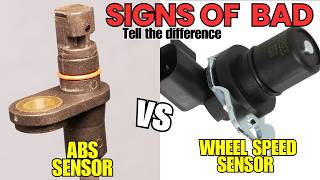
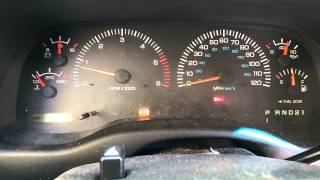
One of the most common issues for a 1998-2003 Dodge Durango is having the ABS and Brake warning lights both turn on at the same time. While this can seem alarming, the problem is very often a failed ABS wheel speed sensor, which is a straightforward and affordable part to replace. 🎬 Watch this video to see how to fix these warning lights. This guide will walk you through the symptoms, how to choose the right aftermarket replacement, and what to expect from the repair.
Brakes Will Still Work, But With a Catch
When the ABS light is on, your anti-lock braking system is disabled. Your regular brakes will still function to stop the vehicle, but the wheels can lock up during a panic stop, increasing the risk of skidding and loss of control. It is important to address this issue to restore full safety performance.
Symptoms of a Failing ABS Sensor on a '98-'03 Durango
A bad wheel speed sensor will give you clear signs there's a problem. Look out for:
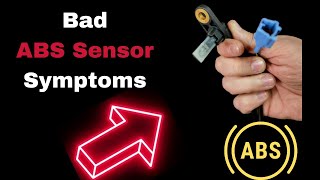
🎬 Learn more about the symptoms of a failing ABS sensor.- ABS and Brake Warning Lights: This is the most common symptom. Both lights illuminating together almost always points to a fault in the ABS system, frequently a sensor.
- Loss of ABS Function: During a hard brake, you may feel the wheels lock up and skid, something the ABS is designed to prevent.
- Inaccurate Speedometer: On these Durangos, the rear wheel speed sensor (located on the rear differential) provides the signal for the speedometer. If your speedometer is acting erratically or not working at all, this sensor is the likely culprit.
- Pulsating Brake Pedal: A faulty sensor can send incorrect signals, causing the ABS to engage unnecessarily during normal, light braking.
Choosing the Right Aftermarket ABS Sensor
You don't need to buy an expensive OEM sensor from the dealer to fix your Durango. Quality aftermarket brands offer reliable performance at a much better price. Here’s a breakdown of the brands available:
Tier 1: OE-Quality & Trusted Brands
- Delphi: Often an original equipment manufacturer for many car brands, Delphi sensors are known for their high quality and reliability, making them a top-tier choice.
- NGK/NTK: Famous for their ignition components, NTK (the sensor division of NGK) produces high-quality sensors that are engineered to meet or exceed OE performance standards.
- Standard Ignition (SMP): A long-standing, reputable brand in the aftermarket, Standard provides quality parts that technicians have trusted for years. Their sensors are tested for proper fit and function.
Tier 2: Solid Aftermarket Choices
- Dorman: Dorman is well-known for providing a wide range of aftermarket parts, often with design improvements over the original. They are a cost-effective solution that is widely available.
- Walker Products: Walker is an established brand that engineers its sensors to OE specifications using quality materials. They are a reliable choice for a daily driver.
- Holstein: Holstein focuses on using high-quality materials to create parts that match OE standards and offers a strong warranty.
Front vs. Rear Sensors
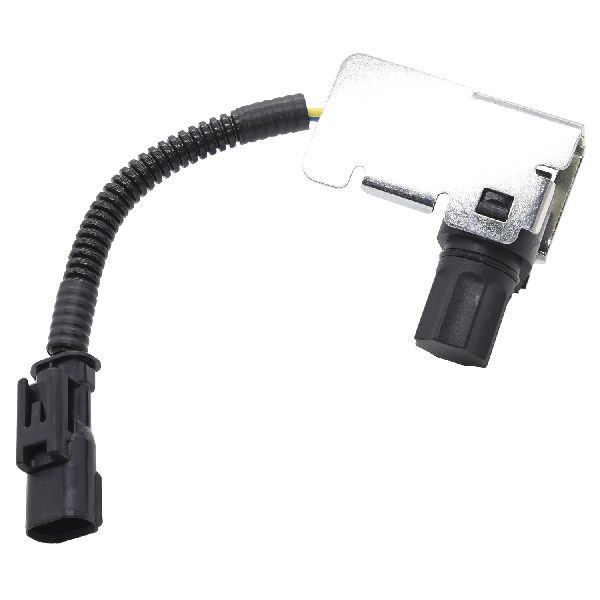
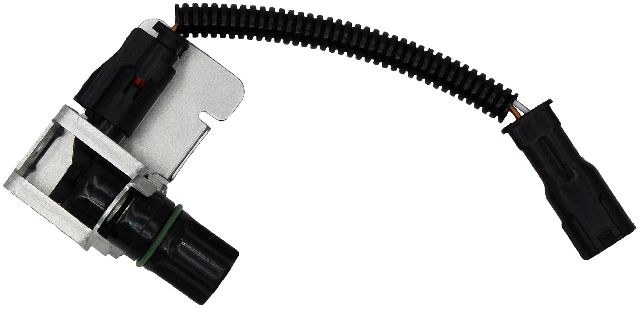
Your Durango has three ABS sensors: one for each front wheel and one for the rear. The front sensors are located at the wheel hubs. The rear sensor is mounted on top of the rear differential housing. A diagnostic scan is the best way to know which specific sensor has failed. However, if your speedometer is also failing, the rear differential sensor is almost certainly the problem.
Expected Cost for a New Aftermarket ABS Sensor
| Part Type | Price Range |
|---|---|
| New Aftermarket ABS Sensor | $28.80 - $210.48 |
| Shop Labor | $80 - $150 |
Frequently Asked Questions
Can I drive my Durango with a bad ABS sensor?
Yes, but with caution. Your standard brakes will still work, but you will not have the anti-lock braking safety feature. This means your wheels can lock during a hard stop. It's recommended to get the sensor replaced as soon as you can.
Do I need a special tool to diagnose the ABS light?
Yes, a standard OBD-II scanner cannot read ABS codes. You need a scanner with ABS diagnostic capabilities. Many auto parts stores can perform this scan for you and tell you which sensor is reporting a fault.
Is replacing an ABS sensor a difficult DIY job?
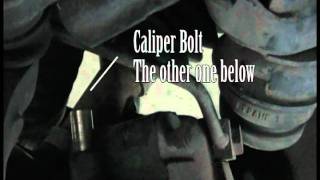
No, for most DIYers, this is a relatively easy job. The rear sensor is held by a single bolt on the differential. The front sensors are also typically held by one bolt at the wheel hub. The most common difficulty is the sensor being seized in its housing due to rust. 🎬 See a step-by-step guide on replacing the sensor yourself. Gentle wiggling and patience are key.
Do I need to reset the computer after replacing the sensor?
Often, the ABS and Brake lights will turn off on their own after a few drive cycles once the new sensor is installed and functioning correctly. However, the fault code will remain stored in the computer. It's best practice to clear the codes with an ABS-capable scan tool after the repair is complete.
Helpful Videos
Technical Specifications
OEM Part Numbers: 5014787AA 56028187AE
The 1998-2003 Dodge Durango uses three ABS wheel speed sensors in total. There is one sensor for each front wheel, located at the wheel hub assembly, and a single sensor for the rear, mounted on top of the rear differential housing. The rear sensor also provides the vehicle speed signal to the speedometer.
We Have This Part in Stock


The information in this article is provided for general reference and educational purposes only. Vehicle specifications, procedures, and part compatibility can vary by production date, trim level, and region. Always consult your vehicle's factory service manual and verify part numbers before purchasing or performing repairs. Safety-critical components such as airbags, seat belts, and braking systems should be installed by a qualified professional.
- Dodge Durango:
- 🎬 Helpful Videos
- 🛍️ Shop This Part
- Is Your Durango's ABS and Brake Light On?
- Brakes Will Still Work, But With a Catch
- Symptoms of a Failing ABS Sensor on a '98-'03 Durango
- Choosing the Right Aftermarket ABS Sensor
- Front vs. Rear Sensors
- Expected Cost for a New Aftermarket ABS Sensor
- Frequently Asked Questions
- 🎟️ Get 5% Off