

A Guide to Replacing Brake Calipers on Your 1998-2003 Dodge Durango
Solve common brake dragging and pulling issues by choosing the right new aftermarket calipers for your Durango.
- Sticking or seizing is the most common failure for 1998-2003 Durango calipers, leading to brake drag and overheating.
- Always replace calipers in pairs (both front or both rear) to maintain balanced braking.
- When replacing a failed caliper, you must also replace the pads and rotor on that axle.
- Consider replacing the flexible rubber brake hoses at the same time, as they can cause similar symptoms when they fail internally.
Is Your Durango's Brake Caliper Failing?

A bad brake caliper on a 1998-2003 Dodge Durango isn't just an inconvenience; it's a serious safety risk. A common and significant problem for this generation is a sticking or seized caliper. This happens when the caliper piston doesn't retract properly after you release the brake pedal, causing the brake pads to constantly drag on the rotor. This generates a huge amount of heat, which can lead to a burning smell, smoke from the wheel area, and rapid destruction of your brake pads and rotors. If you ignore it, you risk complete brake failure.
Key Symptoms of a Bad Caliper:
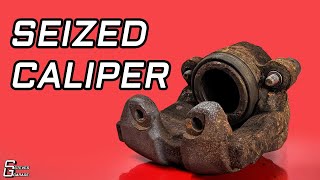
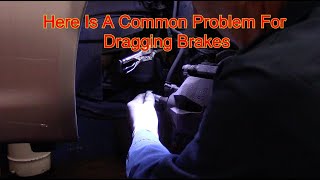
🎬 Watch: A mechanic's guide to diagnosing a seized brake caliper.- Vehicle Pulling: Your Durango pulls to one side when you're driving or braking. If it pulls while braking, the caliper on the opposite side might be failing. If it pulls while you're just driving, the caliper on that side is likely stuck.
- Brake Dragging and Overheating: You might feel like the truck is sluggish or fighting against itself. After a drive, you may notice a strong burning smell or even see smoke coming from a wheel.
- Uneven Brake Pad Wear: When you inspect your brakes, the pads on one wheel are significantly more worn than on the other. A stuck caliper can wear a new set of pads down to the metal very quickly.
- Brake Fluid Leaks: Puddles of oily fluid near your wheels are a clear sign of a failing caliper seal.
- Spongy or Soft Brake Pedal: If a caliper is leaking fluid, air can get into the system, making your brake pedal feel soft and reducing stopping power.
Known Issues for 1998-2003 Durango Brakes
While no brake caliper-specific recalls exist for the 1998-2003 models, owners frequently report issues with calipers seizing. Forum discussions often point to sticking slide pins or pistons. Sometimes, the problem isn't the caliper itself but a collapsed flexible brake hose that traps fluid pressure, mimicking a stuck caliper. It's also been noted that the metal brackets on the steering knuckle, where the pads slide, can get bent or gouged, causing the pads to bind and not release properly. When replacing calipers, it's wise to inspect these related parts as well.
Choosing the Right Aftermarket Caliper

You don't need to buy expensive OEM parts for your Durango. Aftermarket brands offer excellent quality, often with improvements over the original design. They are typically sold as "remanufactured," where the original caliper housing is cleaned and rebuilt with all-new seals, boots, and pistons. This is a reliable and cost-effective option.
Aftermarket Brand Tiers:
- Performance Upgrade (PowerStop): PowerStop calipers are often remanufactured stock calipers but are finished with a high-quality powder coat (usually red) to resist rust and look great. They are considered a high-quality option and are often bundled in kits with performance rotors and pads.
- OEM-Quality Replacements (Raybestos, Cardone, Centric): These are the workhorses of the aftermarket. Brands like Raybestos and Cardone are well-regarded for providing reliable, direct-fit remanufactured calipers that meet or exceed original specifications. They are a solid choice for a standard repair. Cardone offers different lines, with their "Ultra" series featuring a protective coating.
- Value-Oriented (Dynamic Friction, BBB Industries): These brands provide a functional and affordable solution to get your Durango back on the road safely. They are a good option if budget is the primary concern.
Pro Tip: Always replace brake calipers in pairs (both front or both rear) to ensure even braking performance and prevent pulling. Also, consider replacing the flexible rubber brake hoses at the same time. They are inexpensive and can degrade from the inside, causing braking problems that are often misdiagnosed as a bad caliper.
Brake Caliper Replacement Cost for 1998-2003 Dodge Durango

| Part Type | Estimated Cost (Part Only) |
|---|---|
| New Aftermarket Caliper | $45 - $121 |
| Remanufactured Aftermarket Caliper | $40 - $92 |
| Shop Labor | $146 - $252 |
Note: Costs are estimates and can vary based on location and specific product. Labor costs are per caliper or for a pair, depending on the shop's policy.
Frequently Asked Questions
Should I buy a caliper with or without the mounting bracket?
Most aftermarket calipers for the Durango are available "semi-loaded," which means they come with the mounting bracket and new hardware. This is usually the best choice, as it ensures all related components like slide pins are new and properly lubricated, preventing future sticking issues.
Do I need to replace my rotors and pads with the caliper?
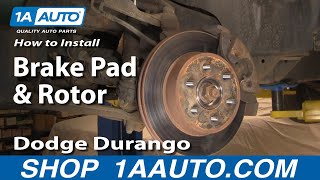
Yes. If your caliper has failed by sticking, it has almost certainly overheated and damaged the brake rotor and pads on that wheel. To do the job right and ensure safety, you should replace the rotor and pads on both sides 🎬 Watch: How to replace rear disc brakes and rotors. of the axle when you replace the calipers.
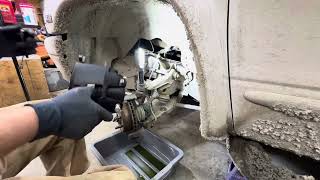
Is replacing a brake caliper a DIY job? 🎬 See this walkthrough for replacing front calipers on your Durango.
This is a job for an experienced DIY mechanic. While the unbolting and bolting on of the part is straightforward, the critical step is bleeding the brakes afterward to remove all air from the hydraulic system. Failure to do this correctly will result in a soft pedal and dangerously reduced braking power. If you are not comfortable with the brake bleeding process, this job is best left to a professional.
What does it mean when a caliper has "phenolic" vs "steel" pistons?
Phenolic (a type of plastic composite) pistons are lighter and do not rust or transfer as much heat to the brake fluid. Steel pistons are stronger and more durable. For a daily-driven 1998-2003 Durango, either type is acceptable, and quality aftermarket calipers will function well with both. The choice is not as critical as ensuring the caliper is from a reputable brand.
Helpful Videos
Technical Specifications
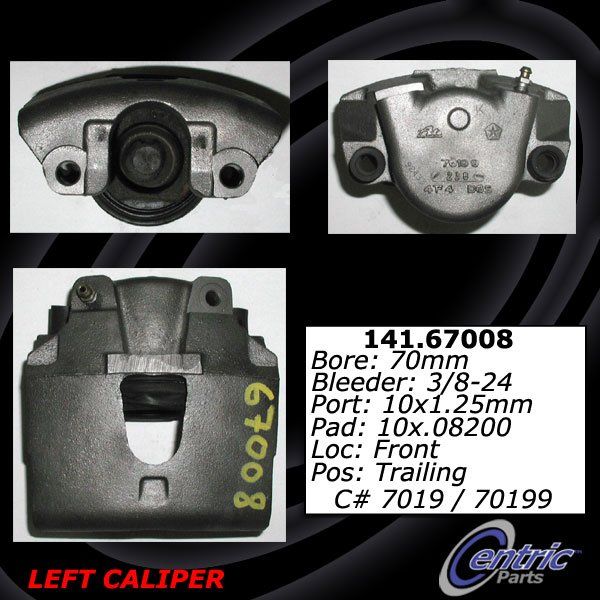
The key difference when ordering is ensuring you have the correct caliper for the front or rear axle and for the driver or passenger side. Most aftermarket calipers for this vehicle are semi-loaded and include the mounting bracket.
We Have This Part in Stock
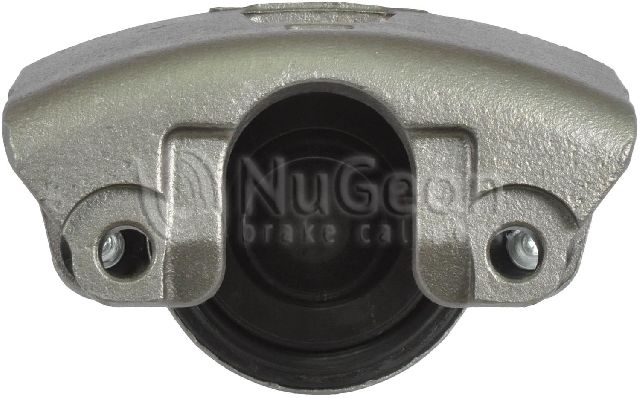
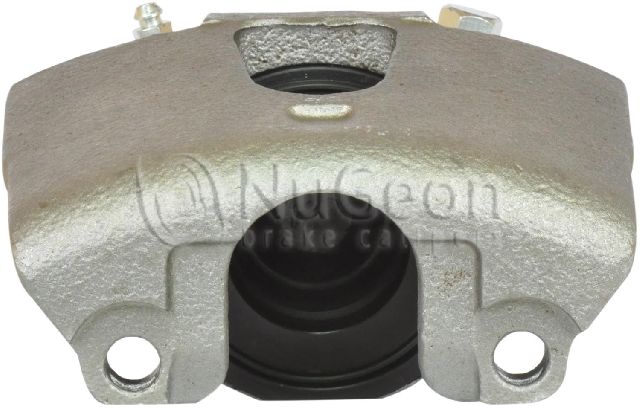
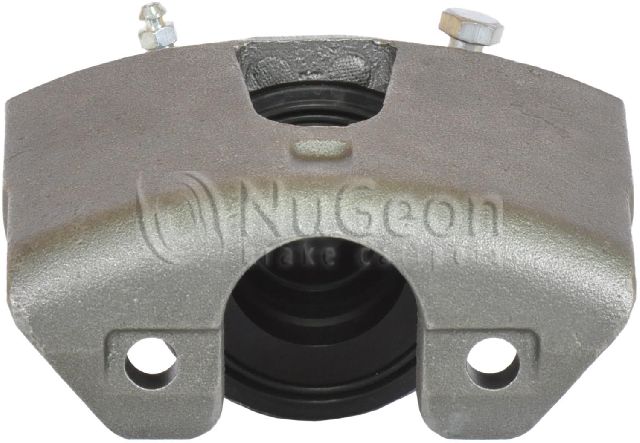

The information in this article is provided for general reference and educational purposes only. Vehicle specifications, procedures, and part compatibility can vary by production date, trim level, and region. Always consult your vehicle's factory service manual and verify part numbers before purchasing or performing repairs. Safety-critical components such as airbags, seat belts, and braking systems should be installed by a qualified professional.
- Dodge Durango:
- 🎬 Helpful Videos
- 🛍️ Shop This Part
- Is Your Durango's Brake Caliper Failing?
- Key Symptoms of a Bad Caliper:
- Known Issues for 1998-2003 Durango Brakes
- Choosing the Right Aftermarket Caliper
- Aftermarket Brand Tiers:
- Brake Caliper Replacement Cost for 1998-2003 Dodge Durango
- Frequently Asked Questions
- 🎟️ Get 5% Off