

Dodge Durango HVAC Heater Hose Guide for 1998-2003 Models
Don't get left in the cold by a bad heater hose; here is what every first-generation Durango owner needs to know.
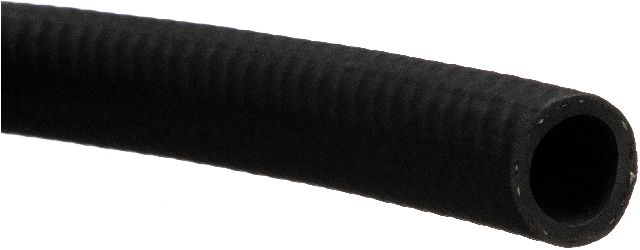
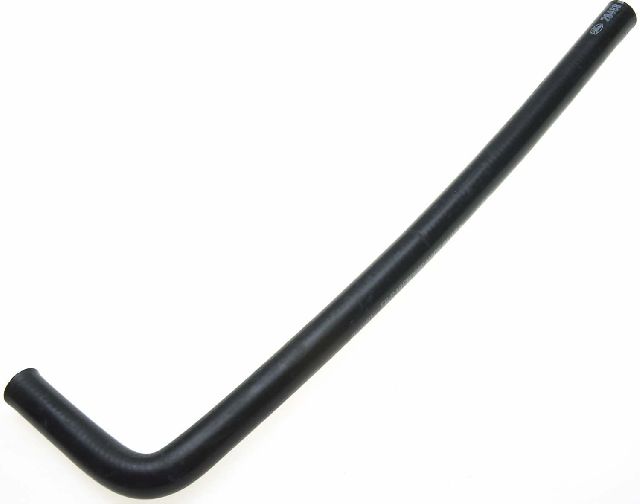
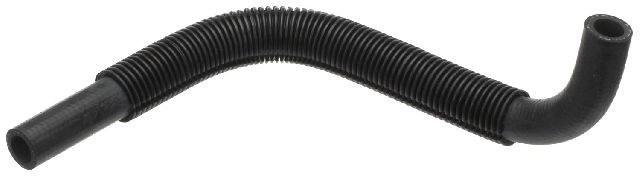
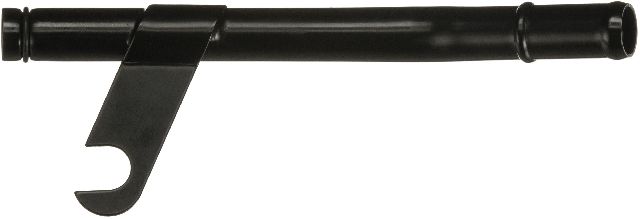
- Visually match your old hose assembly to product photos before ordering, as configurations vary by engine and year.
- Consider upgrading to an 'OE Fix' part with metal connectors if your original hose has failure-prone plastic tees.
- Always replace hose clamps with new ones when installing a new heater hose to ensure a leak-free seal.
- A significant coolant leak can cause critical engine damage; do not drive a vehicle that is actively overheating.
Signs of a Failing Heater Hose
Heater hoses wear out over time from constant exposure to high temperatures, pressure, and engine bay chemicals. The rubber can become brittle, crack, swell, or the plastic connectors can fail. Here are the common symptoms to watch for:
- Coolant Leaks: This is the most obvious sign. You may find puddles of green, orange, or pink fluid under your Durango, often near the passenger side firewall where the hoses connect. You might also see crusty, dried coolant on the hoses themselves.
- Sweet Smell: A distinct, sweet smell like maple syrup, either inside or outside the vehicle, is a tell-tale sign of leaking coolant.
- Engine Overheating: A significant leak will cause a loss of coolant, making your engine's temperature gauge climb into the red. This is a critical issue that can cause severe engine damage if ignored.
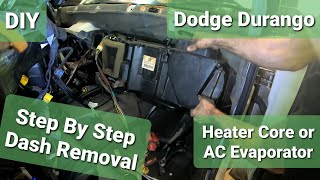
- No Cabin Heat: If a hose is clogged or has a major leak, not enough hot coolant will reach the heater core, resulting in cold air from your vents even when the heat is on. 🎬 See this guide for troubleshooting other common cabin heat issues.
- Visible Damage: It's good practice to visually inspect the hoses. Look for cracks, bulges, soft spots, or collapsed sections. Some models have plastic 'T' or 'Y' connectors that are known failure points.
Choosing the Right Aftermarket Part
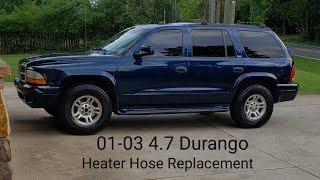
For a first-generation Durango, a quality aftermarket heater hose is a smart and cost-effective choice over more expensive OEM parts. Brands like Gates, Dayco, and Continental all produce reliable replacement hoses that meet or exceed original specifications. The key is ensuring you get the correct hose assembly for your specific engine (e.g., 4.7L, 5.2L, 5.9L) 🎬 Watch: Step-by-step heater hose replacement for the 4.7L engine. and year, as there are many different configurations.
- Good: A basic molded hose from a reputable brand like Dayco or Continental will get the job done. These are generally considered good quality and are often a budget-friendly option.
- Better: Gates is a highly regarded brand in the aftermarket for hoses and belts. Their hoses are engineered to resist electrochemical degradation, which is a leading cause of hose failure.
- Best (for problem areas): For assemblies that originally came with failure-prone plastic connectors, look for an OE-Fix part. For example, Dorman offers a replacement assembly that upgrades the plastic Y-connector to a more durable aluminum one, preventing future failures.
Pro Tip: Before ordering, always visually compare the hose assembly in your Durango to the product photos online. Pay close attention to the bends, branches, and types of connectors to ensure a perfect match.
Cost of Replacing a Heater Hose
The cost varies widely based on the complexity of the hose assembly and labor rates. Simple hoses are inexpensive, while complex assemblies with multiple branches cost more. While some hoses are easy to access, others can be difficult, increasing labor time.
| Part/Service | Estimated Cost |
|---|---|
| New Aftermarket HVAC Heater Hose | $16.00 - $147.75 |
| New OEM HVAC Heater Hose | $170.00 - $370.00+ |
| Shop Labor | $110.00 - $250.00+ |
| Total Professional Replacement | $130.00 - $530.00+ |
Frequently Asked Questions
Do I need to replace the hose clamps too?
Yes. It is highly recommended to replace the hose clamps whenever you replace a hose. Old clamps can lose their tension or corrode, leading to leaks even with a new hose. Spring-style clamps are often preferred over worm-gear clamps as they provide constant tension as the hose material expands and contracts.
If one hose failed, should I replace others?
Yes. Coolant hoses on your vehicle are all exposed to the same conditions and are of the same age. If one has failed due to age, others are likely not far behind. It is a wise preventative measure to inspect all coolant hoses (including radiator hoses) and replace any that look swollen, cracked, or brittle.
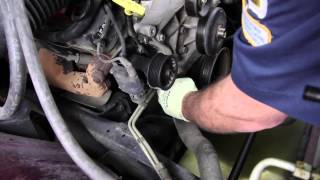
🎬 Watch: How to replace the water pump on 5.2L models.Why are there so many different hose assemblies for my Durango?
The hose configuration depends on your Durango's engine size (4.7L, 5.2L, or 5.9L V8), model year, and whether it has rear heat and A/C. These factors change the routing and the number of connections required, leading to many different part numbers. Visual confirmation is the best way to ensure you order the correct part.
Are there any recalls for this issue?
Our search found no specific recalls for HVAC heater hose failure on the 1998-2003 Dodge Durango. However, Technical Service Bulletins (TSBs) exist for newer models regarding coolant hoses rubbing on other components, highlighting the importance of correct hose routing during installation.
Helpful Videos
Technical Specifications
OEM Part Numbers: 55056060AC 5503A40AJ
Hoses for the 1998-2003 Dodge Durango are typically made from heat and chemical-resistant EPDM rubber. They are pre-molded to fit the specific engine bay routing for the 4.7L, 5.2L, and 5.9L V8 engines. Assemblies can be simple hoses or complex parts with integrated plastic or metal tees and quick-connect fittings.
We Have This Part in Stock



The information in this article is provided for general reference and educational purposes only. Vehicle specifications, procedures, and part compatibility can vary by production date, trim level, and region. Always consult your vehicle's factory service manual and verify part numbers before purchasing or performing repairs. Safety-critical components such as airbags, seat belts, and braking systems should be installed by a qualified professional.
- Dodge Durango: