

Ford Escort Engine Coolant Temperature Sensor Guide (1998-2003)
Understand the symptoms of a failing coolant sensor in your Escort and learn how to choose the right replacement part.
- A bad ECT sensor can cause overheating, poor gas mileage, and a check engine light.
- For 1998 models, verify your car's build date before buying a new sensor to ensure correct fitment.
- Consider using an OEM Motorcraft or premium aftermarket sensor for best reliability and accuracy.
- The replacement is simple and can usually be done at home in under an hour.
Is Your Escort's Coolant Temp Sensor Failing?

A bad Engine Coolant Temperature (ECT) sensor can cause a surprising number of problems with your Ford Escort. Because the engine's computer relies on this sensor for so much information, a false signal can make the car run poorly. You might notice one or more of these issues if your sensor is on its way out.
Common Symptoms of Failure
- Check Engine Light: This is often the first sign. The light may be triggered by fault codes like P0117, P0118, or P0125. 🎬 Watch: How to diagnose and understand these specific fault codes.
- Poor Fuel Economy: If the sensor incorrectly tells the computer the engine is cold, the computer will inject extra fuel, wasting gas.
- Black Smoke from Exhaust: A constantly rich fuel mixture can result in unburned fuel smoking in the tailpipe.
- Engine Overheating: A faulty sensor might fail to signal the cooling fans to turn on when needed, causing the engine to overheat, especially in traffic.
- Erratic Temp Gauge: The temperature gauge on your dashboard may swing back and forth, read very high or very low, or not move at all.
- Rough Idle or Stalling: The wrong air-fuel mix can make your engine run rough, hesitate, or even stall.
Important for 1998 Escort Owners
The 1998 model year used different ECT sensors depending on the vehicle's manufacturing date. Before ordering a part, check the build date on the sticker inside your driver's side door jamb to ensure you get the correct sensor.
Choosing the Right Aftermarket Sensor

When it comes to electronic sensors for your Escort, quality matters. While many budget-friendly options are available, forum discussions among Ford owners suggest that sticking with the original equipment manufacturer (OEM) or a premium aftermarket brand is a safer bet for long-term reliability.
Brand Quality Tiers
- OEM (Motorcraft): This is the brand Ford used when your car was built. Motorcraft sensors are known for their reliability and accurate readings. Many experienced mechanics recommend using the OEM part to avoid future headaches, as some aftermarket sensors can be inaccurate or fail prematurely.
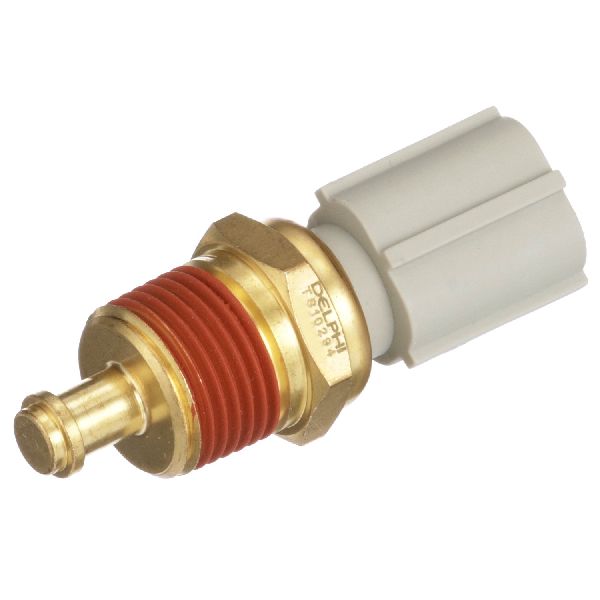
- Premium Aftermarket (Delphi, NGK, Hella, Standard Ignition): These brands have a strong reputation for producing quality electronic components that often meet or exceed OEM standards. They are a solid choice if you are looking for a reliable part that may cost slightly less than Motorcraft.
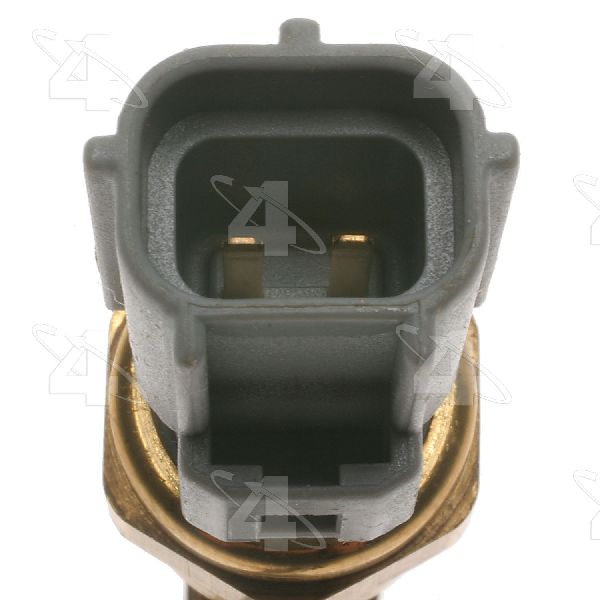
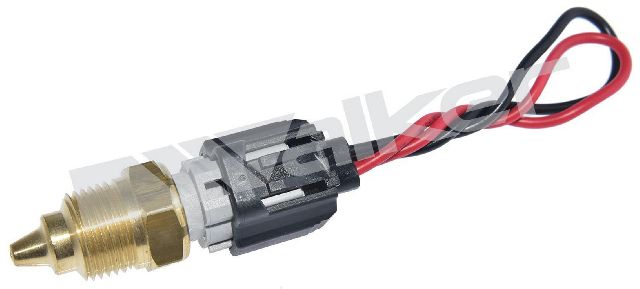
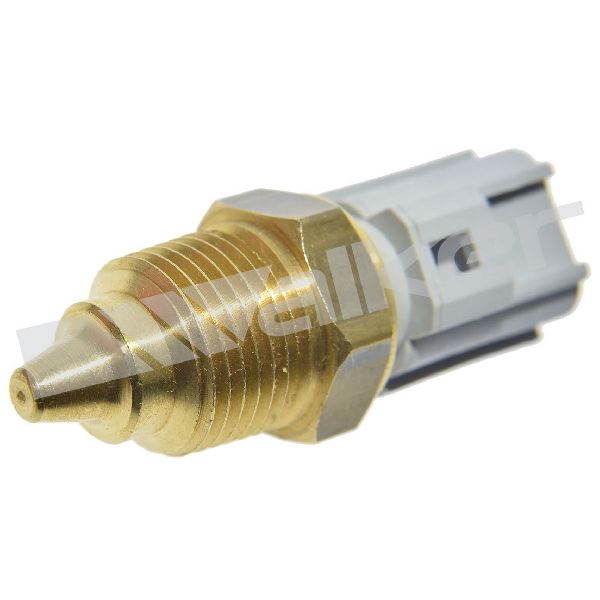
- Standard Aftermarket (Walker, Four Seasons, Vemo, etc.): These brands offer a good value and can be a suitable choice for a budget-conscious repair. While they may not have the same long-standing reputation as premium brands for electronics, they are a viable option. However, be aware that with some value brands, there is a higher risk of inaccurate temperature readings which can affect performance.
Check Your Thermostat, Too
Symptoms like an overheating engine or a P0125 trouble code can also be caused by a thermostat that is stuck open or closed. Since you will be working on the cooling system anyway, it's a good idea to inspect or replace the thermostat at the same time, especially on an older vehicle.
🎬 Watch: This easy guide shows you how to change the thermostat.Cost of Replacing the ECT Sensor

| Part Type | Estimated Cost |
|---|---|
| New OEM (Motorcraft) | $25 - $45 |
| New Aftermarket | $13.63 - $39.91 |
| Shop Labor | $50 - $100 |
Frequently Asked Questions

Where is the ECT sensor located on a 1998-2003 Ford Escort?
On the 2.0L engines (both SOHC and DOHC Zetec) used in this Escort generation, the ECT sensor is typically found on or near the thermostat housing, which is located on the side of the cylinder head. On the ZX2 model with the DOHC engine, it is easily accessible right next to the oil filler cap.
Can I replace the ECT sensor myself?
Yes, this is a very DIY-friendly job for most home mechanics. The sensor is usually held in by threads or a simple retaining clip and pin. The main steps involve partially draining the coolant, unplugging the electrical connector, removing the old sensor, installing the new one, and then topping off the coolant. 🎬 See this walkthrough for replacing the sensor on a ZX2. The job typically takes less than an hour.
What happens if I don't replace a bad ECT sensor?
Ignoring a bad sensor can lead to more serious problems. You will likely experience poor fuel economy and may fail an emissions test. More critically, if the sensor fails to detect an overheating condition, it could lead to severe engine damage.
Are there any recalls for the Escort's coolant sensor?
No, searches of the National Highway Traffic Safety Administration (NHTSA) database show no specific recalls for the engine coolant temperature sensor on the 1998-2003 Ford Escort.
Helpful Videos
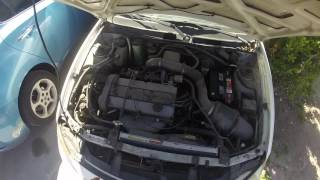
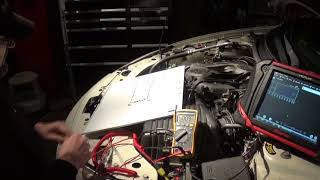
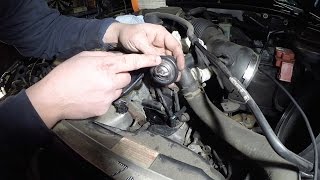
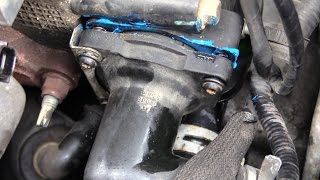
Technical Specifications
OEM Part Numbers: F7CZ-10884-BA F7CZ10884AA SW-6146
Typically a 2-pin thermistor sensor that installs into the thermostat housing or a coolant passage on the cylinder head.
We Have This Part in Stock


The information in this article is provided for general reference and educational purposes only. Vehicle specifications, procedures, and part compatibility can vary by production date, trim level, and region. Always consult your vehicle's factory service manual and verify part numbers before purchasing or performing repairs. Safety-critical components such as airbags, seat belts, and braking systems should be installed by a qualified professional.
- Ford Escort: