

A Guide to Spark Plugs for the 1998-2003 Ford Escort
Restore your Escort's performance by choosing the correct spark plugs for your specific engine.
- You must identify if you have the 2.0L SOHC (SPI) or 2.0L DOHC (Zetec) engine, as they use different spark plugs.
- The SOHC engine uses Motorcraft SP-450 (copper) plugs, while the DOHC Zetec engine uses Motorcraft SP-478 (platinum) plugs.
- Replacing spark plugs is an easy DIY job on this vehicle that requires basic tools and can be done in under an hour.
- If you have the SOHC engine, it is highly recommended to replace the spark plug wires at the same time for best results.
Is It Time for New Spark Plugs?
Worn-out spark plugs can cause a number of noticeable problems in your 1998-2003 Ford Escort. If you experience any of these symptoms, your plugs might be the culprit.
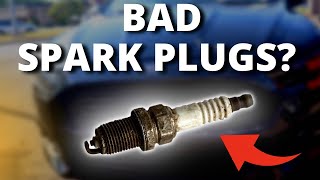
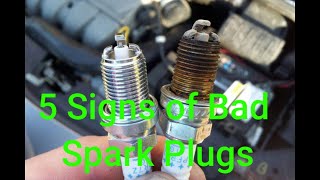
🎬 Watch: A visual guide to symptoms of bad spark plugs- Rough Idle: The engine may shake or vibrate more than usual when stopped.
- Engine Misfires: You might feel a hesitation or stumble during acceleration. This can also trigger a flashing Check Engine Light.
- Reduced Fuel Economy: If you're filling up your gas tank more often, inefficient combustion from old plugs could be to blame.
- Poor Acceleration: The car may feel sluggish or slow to respond when you press the gas pedal.
- Difficulty Starting: A weak spark makes it harder for the engine to turn over, especially when cold.
Crucial First Step: Identify Your Engine
The 1998-2003 Ford Escort came with two different 2.0L engines, and they use different spark plugs. Installing the wrong plugs can cause poor performance and potential engine issues. Before buying, check your engine's valve cover.
- 2.0L SOHC (SPI): Found in most sedans and wagons, the valve cover is typically marked with "Split Port" or "SOHC". This engine uses a single ignition coil pack with four spark plug wires.
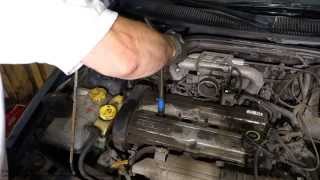
- 2.0L DOHC (Zetec): Found in the sporty Escort ZX2 coupe, the valve cover is marked with "Zetec" or "DOHC". This engine has a different ignition setup. 🎬 See this walkthrough for changing plugs on the ZX2 engine
Spark Plug Specifications by Engine
| Engine Type | OEM Part Number | OEM Material | Recommended Gap |
|---|---|---|---|
| 2.0L SOHC (SPI) | Motorcraft SP-450 | Copper | 0.052" - 0.056" |
| 2.0L DOHC (Zetec) | Motorcraft SP-478 | Double Platinum | 0.044" |
Choosing the Right Aftermarket Spark Plug
While the original Motorcraft plugs are always a safe bet, several aftermarket brands offer excellent quality. Here’s how they generally stack up for your Escort.
Pro Tip: For this particular vehicle, sticking close to the original equipment (OEM) material is a reliable choice. The SOHC SPI engine was designed for copper plugs, while the DOHC Zetec was designed for platinum plugs. Using a higher-end iridium plug is an option for longevity but may not provide a noticeable performance gain on a stock engine.
Brand Tiers
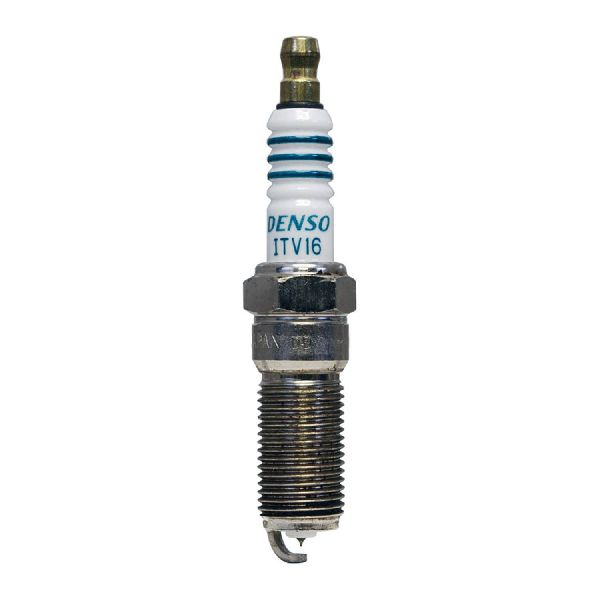
- OEM / Top Tier (Excellent): Motorcraft is the original part your car came with. Autolite often produces parts for Motorcraft, making them a direct equivalent and a trusted choice. NGK and Denso are Japanese brands with a stellar reputation for quality and reliability, often exceeding OEM standards.
- Standard Tier (Good): Brands like Champion and Bosch offer reliable, standard-replacement spark plugs that meet or exceed OEM specifications. They are a cost-effective choice for regular maintenance.
- Performance Tier (Specialized): A brand like MSD is focused on high-performance and racing applications. While they are high quality, their benefits are best realized in modified engines and are generally not necessary for a daily-driven Escort.
Known Issues, Recalls, and Service Bulletins
There are no official recalls or Technical Service Bulletins (TSBs) from Ford or the NHTSA related to spark plug failure on the 1998-2003 Escort. Some other Ford engines from different eras are known for difficult-to-remove plugs that can break, but this issue does not affect the Escort's 2.0L SOHC or DOHC engines. The replacement process is considered very straightforward.
🎬 Watch: How to perform a full tune-up on your EscortFrequently Asked Questions
What is a "spark plug gap" and why does it matter?
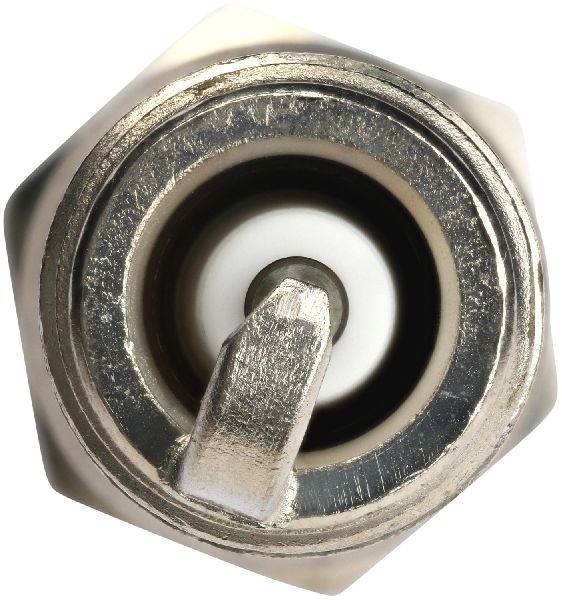
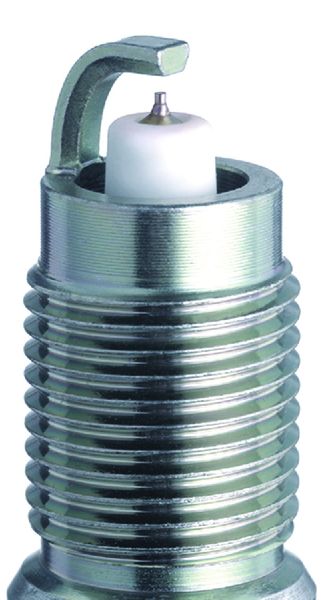
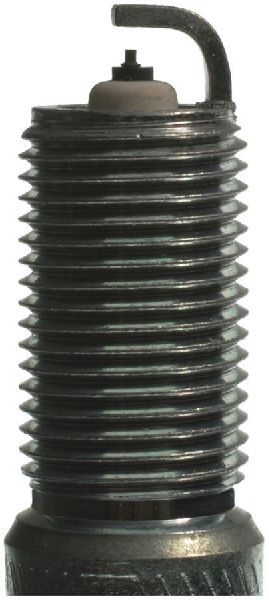
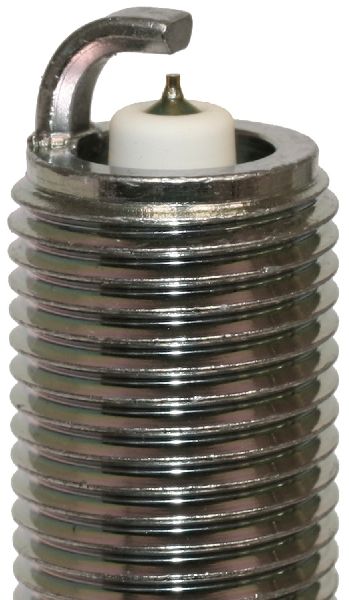
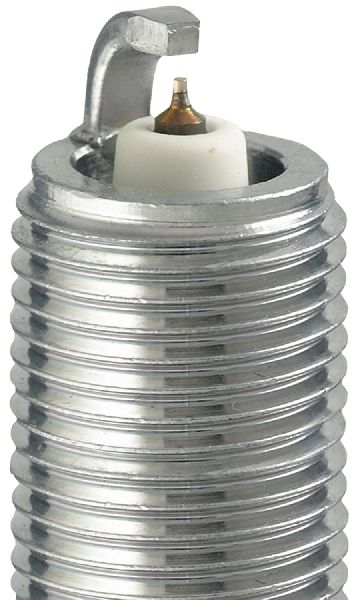
The gap is the small space between the center and ground electrodes at the tip of the plug. The spark must jump this gap to ignite the fuel. An incorrect gap can lead to misfires and poor performance. It's always a good idea to check the gap with a feeler gauge or gapping tool before installation, even on pre-gapped plugs.
Should I use anti-seize on the new spark plug threads?
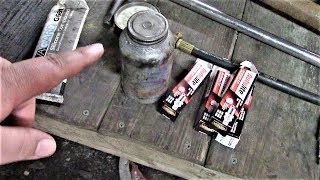
This is a topic of debate. Some mechanics always use a small amount of anti-seize compound on the threads to prevent them from getting stuck in the cylinder head. However, some plug manufacturers advise against it as it can lead to over-tightening. If you do use it, apply only a very small amount to the threads, avoiding the electrode.
Should I replace my spark plug wires at the same time?
For the 2.0L SOHC (SPI) engine, it is highly recommended. Spark plug wires degrade over time, and old wires can cause a weak spark even with new plugs. Replacing them together ensures the entire secondary ignition system is in good shape. The DOHC Zetec engine does not use traditional spark plug wires.
How often should I change the spark plugs on my Escort?
For standard copper plugs, like those in the SOHC engine, a good interval is every 30,000 miles. For the platinum plugs in the DOHC Zetec engine, you can typically go 60,000 to 100,000 miles. However, if you notice any failure symptoms, you should inspect them regardless of mileage.
Helpful Videos

Technical Specifications
OEM Part Numbers: SP-450 SP-478 AZFS32FE
Engine Type: 2.0L SOHC (SPI) - OEM Plug: Motorcraft SP-450 (Copper), Gap: 0.052"-0.056". Engine Type: 2.0L DOHC (Zetec) - OEM Plug: Motorcraft SP-478 (Double Platinum), Gap: 0.044".
We Have This Part in Stock

The information in this article is provided for general reference and educational purposes only. Vehicle specifications, procedures, and part compatibility can vary by production date, trim level, and region. Always consult your vehicle's factory service manual and verify part numbers before purchasing or performing repairs. Safety-critical components such as airbags, seat belts, and braking systems should be installed by a qualified professional.
- Ford Escort: