

Fixing 1998-2003 Ford F-150 Alignment: A Caster and Camber Kit Guide
Your 10th generation F-150 has no factory alignment adjustment for caster or camber; here's what you need to know to fix it.
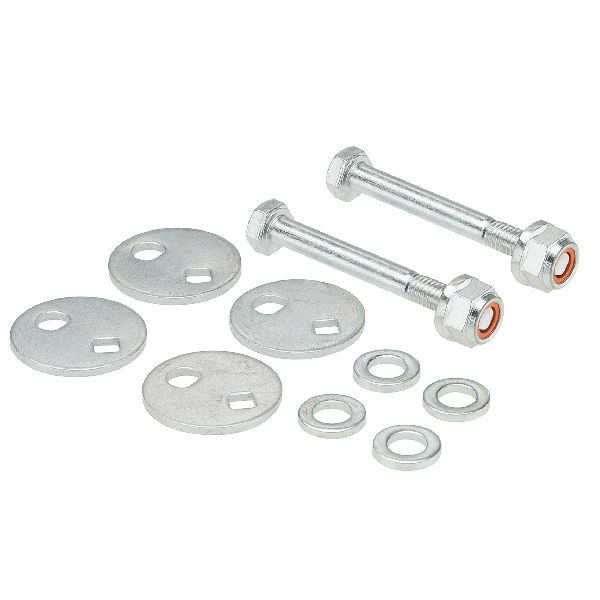
- Your 1998-2003 F-150 has no factory method for adjusting caster or camber; this aftermarket kit is required to perform a full alignment.
- Installation of this kit is mandatory to fix issues like uneven tire wear and steering pull after parts have worn or the truck has been leveled.
- A professional four-wheel alignment is required immediately after installing the kit; this is not an optional step.
- Choose between premium (Moog) and standard (QuickSteer) brands based on your budget and how you use your truck.
Understanding Your F-150's Alignment Needs
If an alignment shop has told you they can't adjust your 1998-2003 F-150's camber or caster, they are telling the truth. These trucks left the factory with fixed upper control arms, meaning only the 'toe' angle is adjustable. Over time, as springs sag and parts wear, the wheels can tilt, leading to rapid and uneven tire wear. This kit is not an optional upgrade; it is a necessary part to allow for a proper four-wheel alignment 🎬 Watch a demonstration of how this kit fixes alignment issues. and to correct angles that have fallen out of specification.
Why You Need This Kit
Without a caster/camber kit, you cannot properly align your 1998-2003 F-150. This can lead to constant steering pull, wandering, and expensive, premature tire replacement. It is especially critical after any suspension work, including leveling or lifting the truck.
Symptoms of Incorrect Caster & Camber
- Uneven Tire Wear: The most common sign is tires wearing excessively on the inner or outer edges. This indicates a camber issue. 🎬 See how to diagnose tire noise and wear patterns.
- Steering Pull: The truck drifts or pulls to one side, requiring constant steering correction to drive straight. This is often related to caster settings.
- Wandering or "Twitchy" Steering: The truck may feel unstable at highway speeds, wandering in the lane.
- Crooked Steering Wheel: Even when driving straight, the steering wheel is not centered.
Choosing the Right Aftermarket Kit
For this specific part, you are choosing between two tiers of quality from brands owned by the same parent company, DriVParts. Your choice depends on your budget and how you use your truck.
Brand Tiers
- Premium Aftermarket (Moog): Moog is widely regarded as a high-quality aftermarket brand. Their parts, especially from the "Problem Solver" series, often feature design improvements over the original factory parts and are built for durability. For a truck that sees heavy use, towing, or off-road conditions, Moog is a reliable choice.
- Standard Aftermarket (QuickSteer): QuickSteer is positioned as a budget-friendly option. While functional for a daily driver with light requirements, the manufacturing quality and warranty may not be on par with Moog. If you are on a tight budget and need to restore adjustability for a standard-use vehicle, QuickSteer is a viable option.
Cost Comparison
| Part Type | Estimated Cost (Parts Only) |
|---|---|
| New Aftermarket (Moog, QuickSteer) | $46.68 - $65.14 |
| Shop Labor (Kit Installation) | $75 - $150 |
| Shop Labor (Four-Wheel Alignment) | $100 - $200 |
Pro Tip: The real cost is in the labor. The kit installation itself is relatively quick, often quoted at about one hour. However, a full four-wheel alignment is mandatory immediately after installation, which adds to the total cost.
Frequently Asked Questions
Can I install this kit myself?
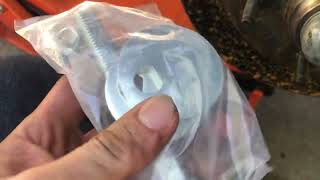
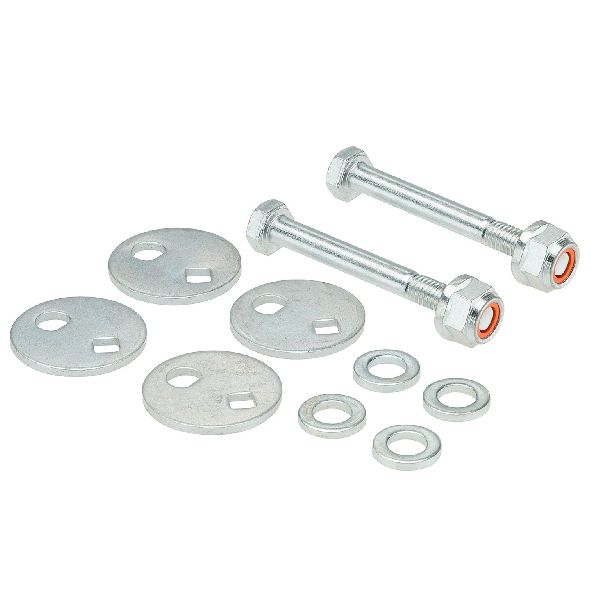
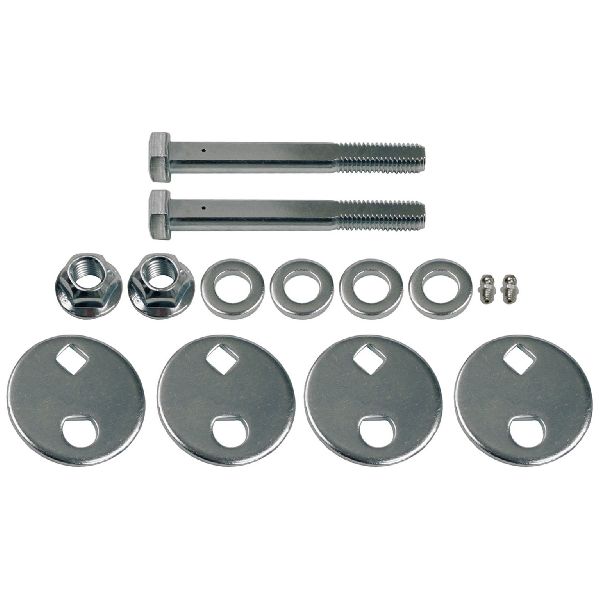
Yes, a DIY installation is possible if you have the right tools and are comfortable working on your suspension. The process involves removing and replacing the two bolts that hold the upper control arm to the frame. 🎬 Watch this step-by-step guide on replacing your alignment bolts. However, you MUST have the vehicle professionally aligned immediately afterward, as you cannot set the caster and camber angles accurately at home.
Is an alignment required after installing this kit?
Yes, absolutely. The entire purpose of this kit is to make the alignment adjustable. After installation, the alignment will be completely off. Driving without a proper alignment will be unsafe and will quickly ruin your tires.
What's the difference between Caster and Camber?
Camber is the inward or outward tilt of the top of the wheel. Too much negative camber (tilting in) wears the inside of the tire; too much positive camber (tilting out) wears the outside. Caster is the forward or backward tilt of the steering axis. Correct caster helps the steering wheel return to center after a turn and affects high-speed stability.
My truck isn't lifted. Do I still need this?
You might. Even at stock height, suspension components wear and sag over time, which can throw the alignment out of spec. If you have uneven tire wear or handling problems and an alignment shop says your camber or caster is off, you need this kit to fix it.
Are there any recalls for this issue?
No. There are no recalls or technical service bulletins (TSBs) for the lack of alignment adjustment on 1998-2003 F-150s. This was a factory design choice, not a safety defect. Searches of the NHTSA database show recalls for this generation F-150 related to fuel tank straps and airbag issues, but nothing concerning suspension alignment capability.
Helpful Videos


Technical Specifications
Provides camber/caster adjustment, typically in a range of +/- 1.5 to +/- 2.5 degrees, by replacing the original fixed upper control arm bolts.
We Have This Part in Stock

The information in this article is provided for general reference and educational purposes only. Vehicle specifications, procedures, and part compatibility can vary by production date, trim level, and region. Always consult your vehicle's factory service manual and verify part numbers before purchasing or performing repairs. Safety-critical components such as airbags, seat belts, and braking systems should be installed by a qualified professional.
- Ford F-150: