

A Ford Ranger Owner's Guide to Front Brake Calipers (1998-2003)
Solve common brake problems like pulling, dragging, and squealing by choosing the right replacement calipers for your truck.
- Sticking or seized calipers are the most common failure on 1998-2003 Rangers, causing pulling and brake drag.
- Always replace calipers in pairs to ensure safe, balanced braking.
- Consider replacing the flexible rubber brake hoses at the same time, as they can collapse internally and cause similar symptoms.
- Choosing a caliper with a phenolic piston can help prevent future corrosion and seizing, especially in wet or salty climates.
Is Your Ranger's Brake Caliper Failing?
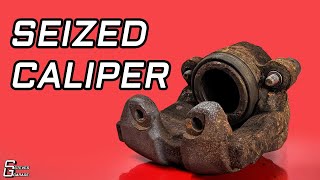
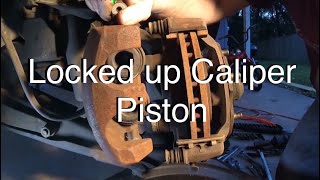
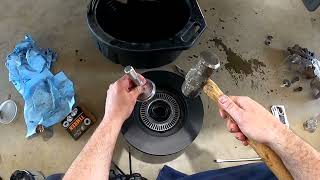
On a 1998-2003 Ford Ranger, brake calipers can last a long time, but they don't last forever. Exposure to moisture, road salt, and age can cause them to fail. The most common issue is a seized or sticking caliper piston or slide pins. 🎬 Watch this video to see how to diagnose a seized piston. This means the caliper doesn't release its grip on the rotor after you let go of the brake pedal.
Common Symptoms of a Bad Caliper:
- Vehicle Pulling to One Side: When you brake, a sticking caliper can cause the truck to pull towards the side with the bad caliper.
- Brake Dragging: You might feel a sensation like the brakes are always slightly applied, which can hurt fuel economy and cause a burning smell.
- Brake Fluid Leaks: Puddles of fluid near your wheel can indicate a failed seal in the caliper.
- Spongy or Soft Brake Pedal: If a caliper is leaking or has a seized piston, the pedal may feel soft or go down farther than usual.
- Loud Brake Noises: Continuous grinding or squealing when not braking can be a sign of a caliper that's stuck.
- Uneven Brake Pad Wear: When you inspect your brake pads, if one is significantly more worn than the other, a bad caliper is a likely cause.
Known Issues for 1998-2003 Ford Rangers
While there are no specific recalls for the brake calipers on this generation of Ranger, there was a major recall for the speed control deactivation switch located on the brake master cylinder. A leak in this switch could cause a fire, even with the truck turned off. It is critical to ensure this recall work has been performed on your vehicle. You can check for open recalls using your VIN on the NHTSA website.
Choosing the Right Aftermarket Caliper
You don't need to buy an expensive OEM caliper from a dealer. Aftermarket brands offer a range of quality options that often meet or exceed original specifications. Most aftermarket calipers for the Ranger are remanufactured, which means an original core has been rebuilt with new seals, boots, and often a new piston. These are a reliable and cost-effective choice.
Brand Quality Tiers
Based on owner feedback and general industry reputation, aftermarket brands can be grouped into tiers:
- Performance/Heavy-Duty (Powerstop): Often sold as part of a kit with upgraded rotors and pads, Powerstop calipers are typically powder-coated for corrosion resistance and are a good choice if you tow or want improved braking performance.
- Premium/Daily Driver (Raybestos, Centric, ACDelco): These brands are well-regarded for providing quality that is often equivalent to the original part. They are a solid choice for a standard, reliable repair.
- Standard/Economy (Cardone, Dynamic Friction, BBB Industries): These brands offer a functional and affordable replacement. While generally reliable, some forum discussions mention occasional inconsistency with remanufactured parts from economy lines. However, for a daily driver, they get the job done at a lower cost.
Pro Tip: Phenolic vs. Steel Pistons
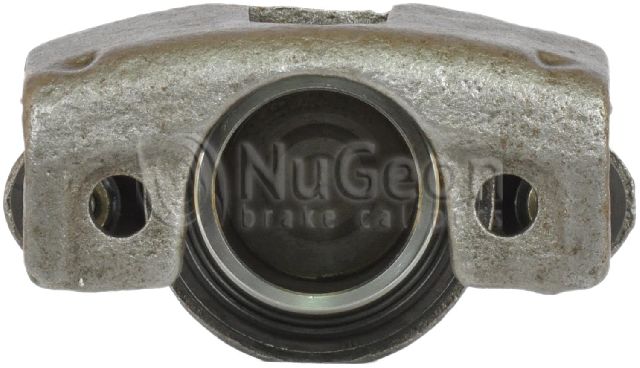
When shopping, you'll see calipers with either phenolic (a type of plastic resin) or steel pistons. Ford originally used phenolic pistons in many trucks to resist corrosion and reduce heat transfer to the brake fluid. Steel pistons are stronger but can rust if brake fluid isn't changed regularly. For a daily-driven Ranger in an area with road salt, a quality caliper with a phenolic piston is a great choice to prevent seizing.
Estimated Costs for Caliper Replacement
| Part | Estimated Cost |
|---|---|
| New Aftermarket Caliper (Single) | $45 - $160 |
| Shop Labor (Per Side) | $146 - $252 |
| Total Professional Replacement (Per Side) | $191 - $412 |
Costs are estimates and can vary by location and the specific parts chosen. It is highly recommended to replace calipers in pairs to ensure even braking.
Frequently Asked Questions
Should I replace calipers in pairs?
Yes. It is always recommended to replace both the left and right calipers at the same time. This ensures even braking performance and prevents the vehicle from pulling to one side. Replacing only one can lead to unbalanced braking and premature wear on the new part.
Do new calipers come with brackets and hardware?
It depends. A "loaded" caliper typically comes with the mounting bracket, new guide pins, and hardware. A "semi-loaded" or bare caliper does not include the bracket. If your existing bracket is in good shape and not corroded, you can often reuse it, but it's important to clean it thoroughly and lubricate the slide pins.
What else should I replace with my calipers?
When replacing calipers, you must also install new brake pads. It is also the perfect time to inspect your brake rotors for warping or excessive wear and replace your flexible rubber brake hoses. Old hoses can collapse internally, trapping fluid and causing a new caliper to stick. Finally, you will need to bleed the brake system to remove all air, so have fresh DOT 3 brake fluid on hand.
Is replacing a Ford Ranger caliper a DIY job?
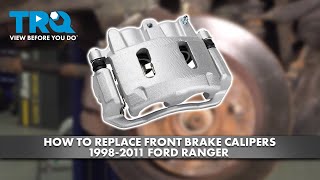
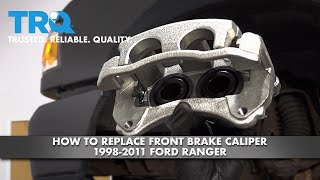
Yes, for those with some mechanical experience. The process involves removing the wheel, unbolting the old caliper, carefully disconnecting the brake hose, and then installing the new part. 🎬 Follow this step-by-step guide to replace your calipers, rotors, and pads. The most critical and difficult step for a beginner is properly bleeding the air out of the brake system afterward. 🎬 See how to properly bleed your brakes after a caliper swap. If you are not comfortable with brake system bleeding, it is best to have a professional do the job.
Helpful Videos
Technical Specifications
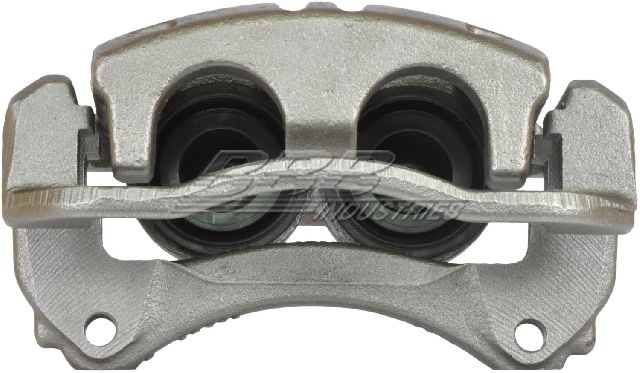
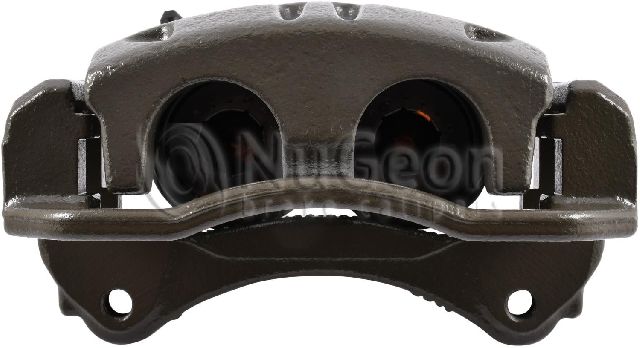
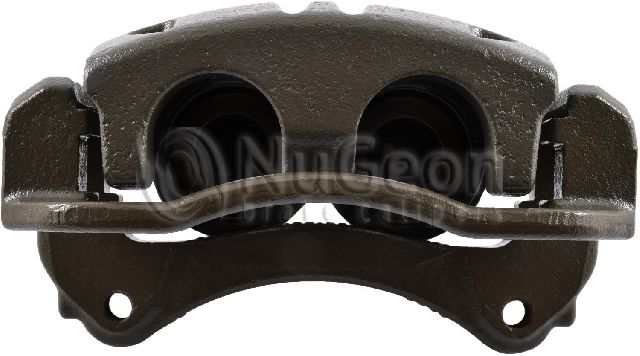
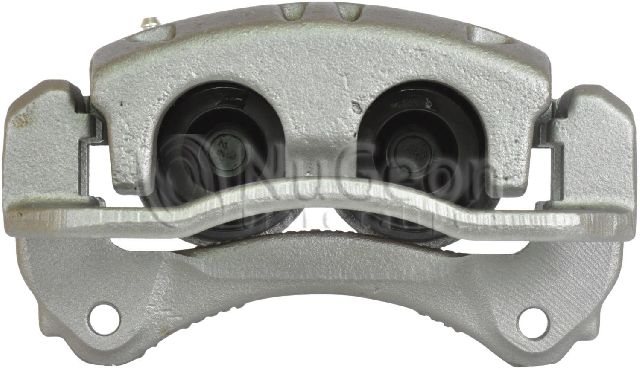
OEM Part Numbers: 18-B4759 18-B4758
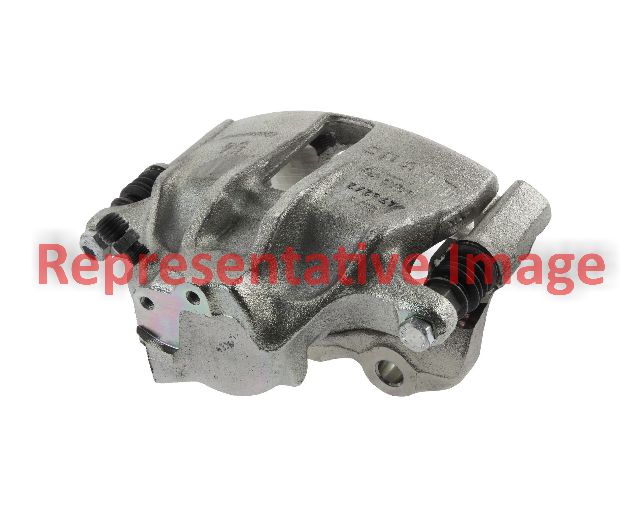
Fits 1998-2003 Ford Ranger models with front disc brakes. Piston material can be either phenolic or steel. Requires DOT 3 brake fluid.
We Have This Part in Stock

The information in this article is provided for general reference and educational purposes only. Vehicle specifications, procedures, and part compatibility can vary by production date, trim level, and region. Always consult your vehicle's factory service manual and verify part numbers before purchasing or performing repairs. Safety-critical components such as airbags, seat belts, and braking systems should be installed by a qualified professional.
- Ford Ranger:
- 🎬 Helpful Videos
- 🛍️ Shop This Part
- Is Your Ranger's Brake Caliper Failing?
- Common Symptoms of a Bad Caliper:
- Known Issues for 1998-2003 Ford Rangers
- Choosing the Right Aftermarket Caliper
- Brand Quality Tiers
- Pro Tip: Phenolic vs. Steel Pistons
- Estimated Costs for Caliper Replacement
- Frequently Asked Questions
- 🎟️ Get 5% Off