

A Ford Ranger Owner's Guide to Front Disc Brake Rotors (1998-2003)
Everything you need to know before replacing the front brake rotors on your 1998-2003 Ford Ranger.
- Crucially, determine if your Ranger has one-piece hub/rotor assemblies or separate slide-on rotors before ordering parts, as this significantly changes the job and cost.
- For most owners, a premium coated rotor from a brand like Bosch, Raybestos, or Centric offers the best balance of performance, longevity, and value.
- Always replace brake pads and rotors at the same time to ensure proper performance and avoid damaging new components.
- Rotor warping is a common complaint; ensure lug nuts are torqued to specification and not overtightened with an impact wrench to help prevent this issue.
Signs of a Failing Disc Brake Rotor
Your Ranger will give you clear signs when the brake rotors need attention. Ignoring them can lead to more expensive repairs down the road. The most common symptom is a vibration or pulsation in the brake pedal or steering wheel when you brake. This often points to a "warped" rotor, which means its surface is no longer perfectly flat. You might also hear a high-pitched squealing, a grinding noise, or feel a general lack of stopping power. Visually inspect your rotors; deep grooves, scoring, or a visible lip on the outer edge are all signs they need to be replaced.
Critical Fitment Note: Hub Assembly vs. Slide-On Rotor
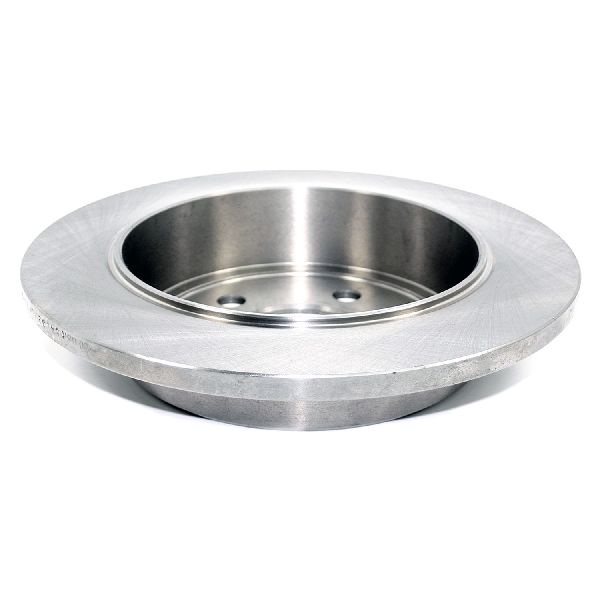
Before buying parts, you MUST identify what your Ranger has. Many 1998-2002 Rangers (especially 4WD models and some 2WDs) use a one-piece rotor and hub assembly. This means the rotor and the wheel hub (with its bearings) are a single unit. Replacing this is a more involved and expensive job. 🎬 See how to replace the hub assembly on 4x4 models. Other models, particularly from 2003 onwards and many 2WD versions, use a simpler slide-on rotor that is separate from the hub. Slide-on rotors are much easier and cheaper to replace. 🎬 Watch this step-by-step guide to replacing your front brakes. Always confirm your specific setup before ordering parts to avoid costly mistakes.
Choosing the Right Aftermarket Rotors for Your Ranger
You don't need to pay dealership prices for quality rotors. The aftermarket offers a wide range of options that often meet or exceed original equipment (OE) quality. Here’s how to choose:
Tier 1: Daily Driver / Economy
These brands offer a direct, no-frills replacement for your stock rotors. They are perfect for the average Ranger owner who uses their truck for commuting and light tasks. They meet all safety standards and provide reliable stopping for a great price.
- Brands: Centric (C-Tek line), Dynamic Friction, Pronto, Raybestos (Service Grade)
- Best For: Budget-conscious repairs, daily driving.
Tier 2: OE-Quality / Premium
This tier is for the owner who wants a bit more than the basic replacement. These rotors often feature better materials and anti-rust coatings (sometimes called E-coating or Geomet coating) that keep the rotor hat and edges looking good and prevent rust buildup. They provide excellent, quiet performance that's as good as, or better than, the original Motorcraft parts.
- Brands: Motorcraft, Bosch (QuietCast), Raybestos (Element3), Centric (Premium line), Bendix
- Best For: A long-lasting, quiet replacement with added corrosion resistance. A smart choice for those in wet or snowy climates.
Tier 3: Performance / Heavy-Duty
If you frequently tow, haul heavy loads, or just want a more aggressive bite from your brakes, this tier is for you. These rotors, often sold in kits with matching pads, are designed to handle higher temperatures and dissipate heat more effectively. Drilled and slotted rotors are common here, but for a truck that sees mud or off-road use, a solid or slotted-only rotor is often a more durable choice.
- Brands: Powerstop (especially their Z36 Truck & Tow kits), EBC Brakes, Hawk Performance
- Best For: Towing, hauling, off-roading, or drivers who want improved braking performance.
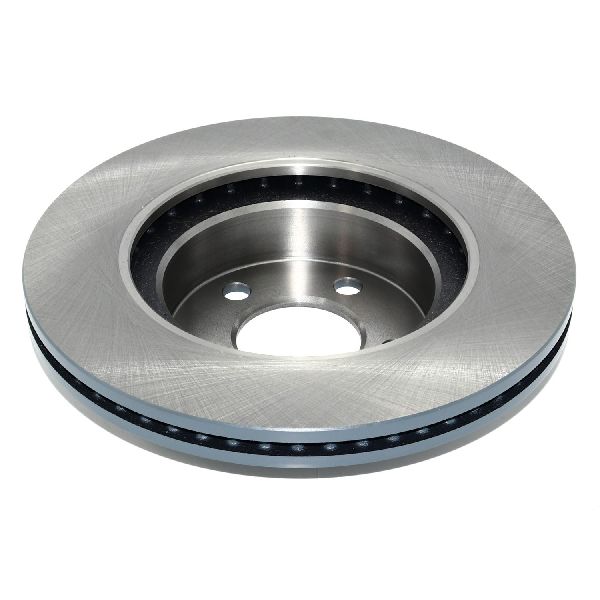
Pro Tip: Many owners recommend getting coated rotors. The coating, usually a grey or black paint-like finish on the non-braking surfaces, significantly reduces rust and keeps your wheels looking clean. It's a small price increase for a big improvement in appearance and longevity.
Known Issues, Recalls, and TSBs
No major recalls were found specifically for disc brake rotors on the 1998-2003 Ford Ranger. However, Ford did issue Technical Service Bulletins (TSBs) related to brake issues. TSB #15147 and #14898 for the 1998 model mention addressing brake pedal vibration and steering wheel movement during braking, which are classic symptoms of warped rotors. TSB #041610 for the 2003 model addresses a grabbing condition from the rear drum brakes, which is a separate issue but worth noting. Owners have frequently reported issues with rotors warping, so choosing a quality replacement and ensuring proper installation (including correct lug nut torque) is important.
| Part/Service | Estimated Cost |
|---|---|
| New Aftermarket Rotors (Pair) | $45 - $219 |
| New OEM (Motorcraft) Rotors (Pair) | $120 - $250 |
| Shop Labor (Pads & Rotors, Per Axle) | $150 - $300 |
| Total Professional Job (Aftermarket Parts) | $350 - $650 |
Frequently Asked Questions
Do I have to replace my brake pads when I replace my rotors?
Yes. It is absolutely essential. Old pads will have worn into the pattern of your old, worn-out rotors. Putting old pads on new rotors will cause uneven wear, noise, and poor performance, and will ruin your new rotors very quickly.
Should I get drilled and slotted rotors for my Ranger?
For most owners, the answer is no. Standard, blank rotors from a quality brand are more than enough. Drilled and slotted rotors can help dissipate heat during very aggressive braking, but for a daily-driven truck, they can be noisier and wear pads faster. If you do a lot of heavy towing, a slotted rotor from a performance brand like Powerstop can be a good upgrade.
Why is the replacement for my 4WD Ranger so much more expensive?
Your 4WD Ranger likely uses a one-piece rotor and hub assembly. This part is more complex and includes the wheel bearings, which makes it more expensive than a simple slide-on rotor. The labor is also more intensive, adding to the overall cost.
What does "bedding in" my new brakes mean?
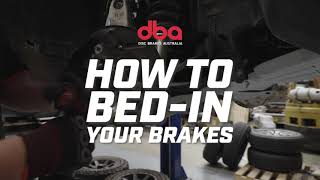
Bedding in is a process of a few controlled, hard stops to properly mate the new pads to the new rotors. It deposits an even layer of friction material onto the rotor surface, which prevents vibration and ensures maximum stopping power. Most manufacturers include specific instructions for this procedure with their new pads and rotors. 🎬 Watch this video to learn how to bed your brakes. Following them is critical for brake performance and longevity.
Helpful Videos
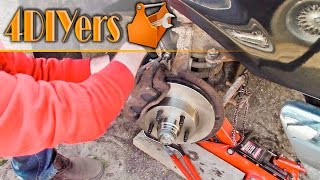
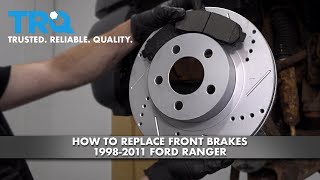
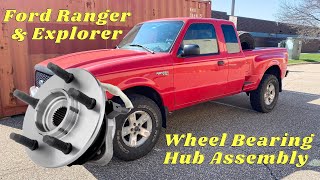
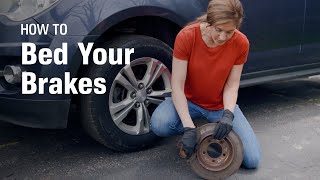
Technical Specifications
OEM Part Numbers: 3L5Z-1125-AB YL5Z-1V102-J F87Z-1102-BB XL5Z-1102-BA BRR-233
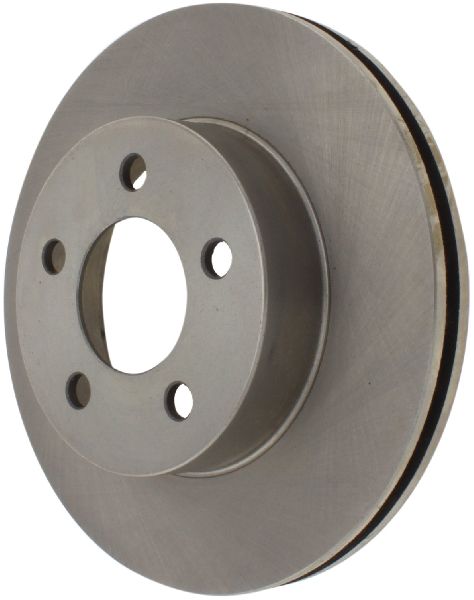
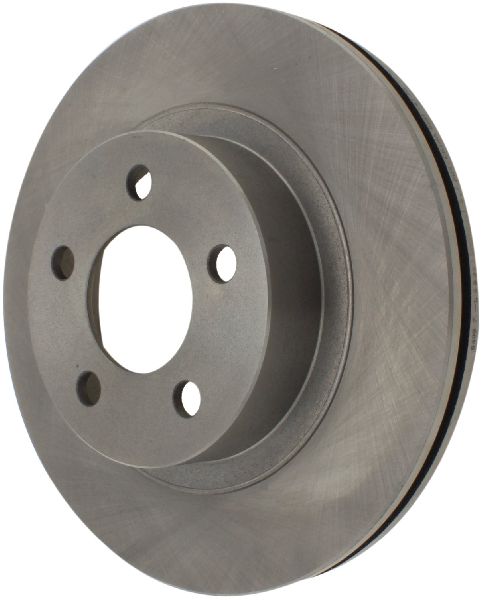
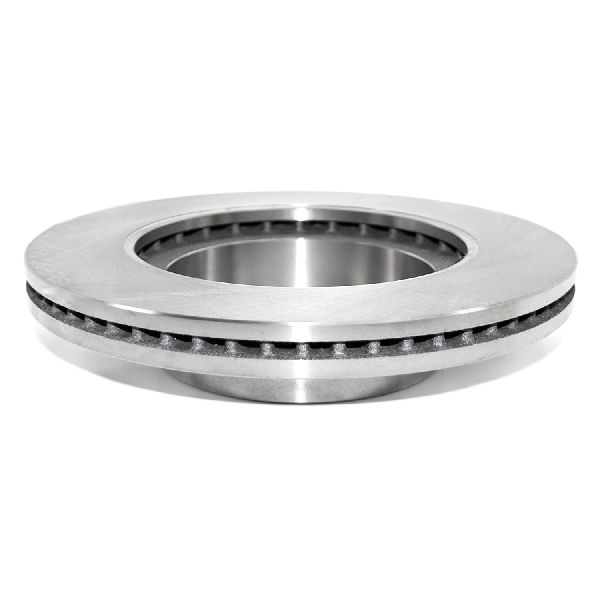
Varies significantly by 2WD/4WD and year. Common rotor diameters are ~10.28 inches, ~11.27 inches. Some are slide-on rotors, while many are integrated rotor/hub assemblies. All use a 5-lug bolt pattern.
We Have This Part in Stock

The information in this article is provided for general reference and educational purposes only. Vehicle specifications, procedures, and part compatibility can vary by production date, trim level, and region. Always consult your vehicle's factory service manual and verify part numbers before purchasing or performing repairs. Safety-critical components such as airbags, seat belts, and braking systems should be installed by a qualified professional.
- Ford Ranger:
- 🎬 Helpful Videos
- 🛍️ Shop This Part
- Signs of a Failing Disc Brake Rotor
- Critical Fitment Note: Hub Assembly vs. Slide-On Rotor
- Choosing the Right Aftermarket Rotors for Your Ranger
- Tier 1: Daily Driver / Economy
- Tier 2: OE-Quality / Premium
- Tier 3: Performance / Heavy-Duty
- Known Issues, Recalls, and TSBs
- Frequently Asked Questions
- 🎟️ Get 5% Off