

A/C Condenser Guide for the 1998-2003 Honda Accord
Is your Accord's A/C blowing warm? Here’s what you need to know before replacing your A/C condenser.
- Professional installation is strongly advised because the A/C system must be legally evacuated and recharged with specialized equipment.
- Always replace the A/C receiver/drier anytime the system is opened to prevent moisture contamination and future failures.
- For best results and easiest installation, choose an OEM-equivalent brand like Denso, Koyorad, or Nissens.
- A failing condenser is often caused by physical damage from road debris due to its exposed location at the front of the car.
Is Your A/C Blowing Warm Air?
If your 1998-2003 Accord's air conditioning isn't as cold as it used to be, a failing A/C condenser is a likely suspect. Because it's located at the very front of the vehicle, it's easily damaged by rocks and road debris, which can cause small holes and leaks over time. A leak allows the refrigerant to escape, reducing or eliminating the system's ability to cool the cabin. Another common issue is internal clogging, which blocks refrigerant flow and can cause dangerously high pressures in the A/C system.
Choosing the Right Aftermarket Condenser
When shopping for a new A/C condenser, you'll find several brands. They generally fall into three quality tiers. For a part that is difficult to access and requires special tools to install, choosing a quality part can save you from doing the job twice.
Tier 1: OEM-Equivalent Brands
- Denso: Denso is a well-known original equipment manufacturer (OEM) for Honda and other Japanese automakers. Choosing a Denso condenser is the closest you can get to buying the part from a Honda dealership. They are known for excellent quality and perfect fitment, which is critical for an easy installation.
- Koyorad & Nissens: These brands are also respected OEM suppliers and are considered to be of original equipment quality. Like Denso, they are a top choice for reliability and fit.
Pro Tip: Why Fitment Matters
A condenser that is even slightly bent or twisted can be impossible to install correctly. The mounting points won't line up, and the A/C line connections may not seal properly, leading to immediate leaks. Paying a little extra for a brand known for quality control, like Denso, can prevent major installation headaches.
Tier 2: Quality Aftermarket Brands
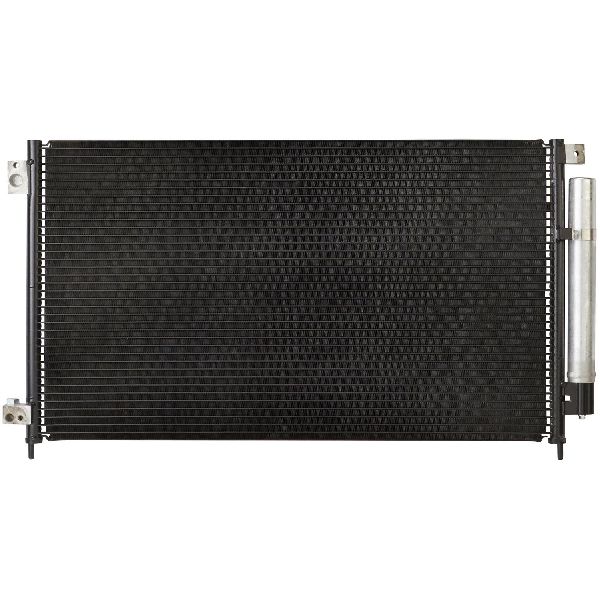
- Spectra: Spectra is a popular aftermarket brand that generally offers good value. While many users have had success with Spectra condensers and radiators, there are occasional reports of parts arriving bent or with minor fitment issues. They are a solid choice if an OEM-equivalent brand is not in your budget.
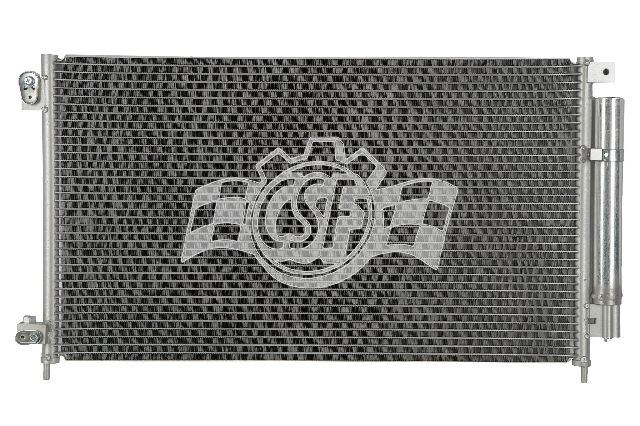
- CSF Radiator: CSF is another established brand in the automotive cooling world, known for producing reliable aftermarket parts.
Tier 3: Economy Brands
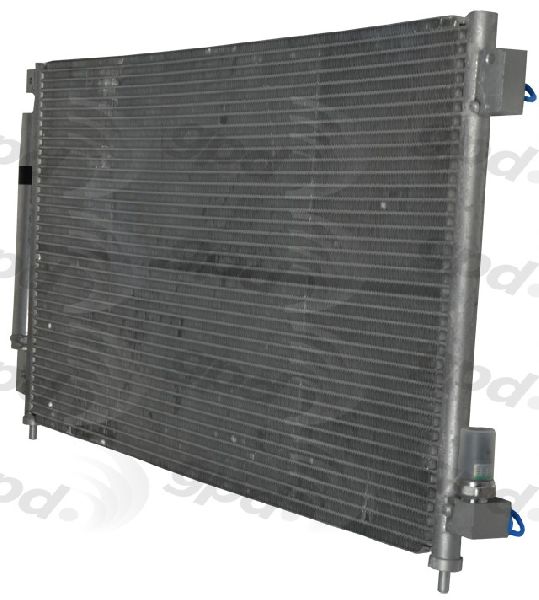
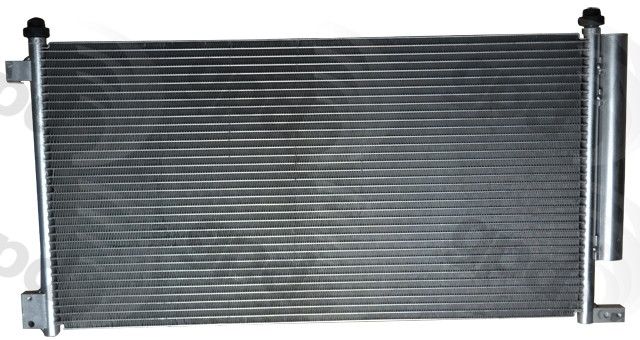
- APDI, Global Parts, One Stop Solutions: These brands provide a budget-friendly option. While they will function, they may not have the same level of build quality, fin density, or corrosion resistance as higher-tier brands. They can be a good choice for a quick repair on a limited budget, but inspect them carefully for damage or defects before installation.
Known Issues for This Vehicle
While there are no official recalls or widespread Technical Service Bulletins (TSBs) for the A/C condenser on the 1998-2003 Honda Accord, the A/C system can have other issues. Problems with the A/C compressor clutch relay, the blower motor, or the in-dash climate control unit can also cause the A/C to stop working. It's important to properly diagnose the problem before assuming the condenser is the only part that needs replacement.
Installation & Cost
Professional Installation is Highly Recommended
Replacing an A/C condenser is not a simple DIY job. Federal law requires that the old refrigerant be captured by a certified technician using a special recovery machine. After the new part is installed, the system must be put under a deep vacuum to remove all air and moisture before being recharged with a precise amount of refrigerant and oil. Failure to do this correctly will cause poor performance and can quickly destroy your new A/C components.
| Part/Service | Estimated Cost |
|---|---|
| New Aftermarket A/C Condenser | $85 - $145 |
| New OEM A/C Condenser | $350 - $500 |
| Shop Labor (including system evacuation & recharge) | $200 - $400 |
| Total Professional Job (Aftermarket Part) | $285 - $545 |
Frequently Asked Questions
Do I have to replace the receiver/drier at the same time?
Yes, absolutely. The receiver/drier (or accumulator) acts like a filter and removes moisture from the refrigerant. Whenever the A/C system is opened to the atmosphere, the drier absorbs moisture and must be replaced. Not replacing it will void the warranty on your new condenser and can lead to premature failure of the entire A/C system.
My A/C blows warm, but how do I know it's the condenser?
The most common sign of a bad condenser is poor cooling performance. A technician can confirm the failure by looking for leaks using a UV light and dye or an electronic leak detector. They will also check system pressures; a clogged condenser can cause excessively high pressure readings on the high-pressure side.
What is the difference between a condenser and a compressor?
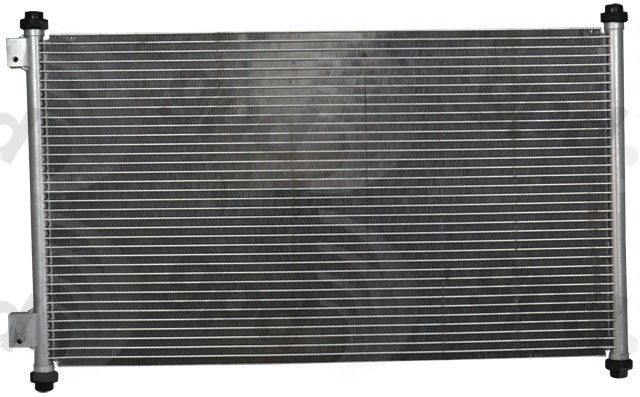
The compressor is the pump of the A/C system, driven by the engine's belt. It pressurizes the refrigerant. The condenser is the radiator-like part in front of the engine that cools that hot, pressurized refrigerant. Compressor failure often produces loud grinding noises, while condenser failure is usually a leak or a clog.
My A/C works sometimes and then blows warm. Is that the condenser?
Intermittent cooling problems on this generation of Accord are often electrical. A failing A/C compressor clutch relay is a very common cause. The relay is inexpensive and easy to replace, so it's often worth trying that before assuming a major component like the condenser has failed.
Technical Specifications
OEM Part Numbers: 80110S84A01 80110S84A00
Refrigerant Type: R134a. Always replace the receiver/drier (Part numbers: 80351S84A01, 80351SDNA01) and use new, lubricated O-rings during installation.
We Have This Part in Stock


The information in this article is provided for general reference and educational purposes only. Vehicle specifications, procedures, and part compatibility can vary by production date, trim level, and region. Always consult your vehicle's factory service manual and verify part numbers before purchasing or performing repairs. Safety-critical components such as airbags, seat belts, and braking systems should be installed by a qualified professional.
- Honda Accord:
- 🛍️ Shop This Part
- Is Your A/C Blowing Warm Air?
- Choosing the Right Aftermarket Condenser
- Tier 1: OEM-Equivalent Brands
- Pro Tip: Why Fitment Matters
- Tier 2: Quality Aftermarket Brands
- Tier 3: Economy Brands
- Known Issues for This Vehicle
- Installation & Cost
- Professional Installation is Highly Recommended
- Frequently Asked Questions
- 🎟️ Get 5% Off