

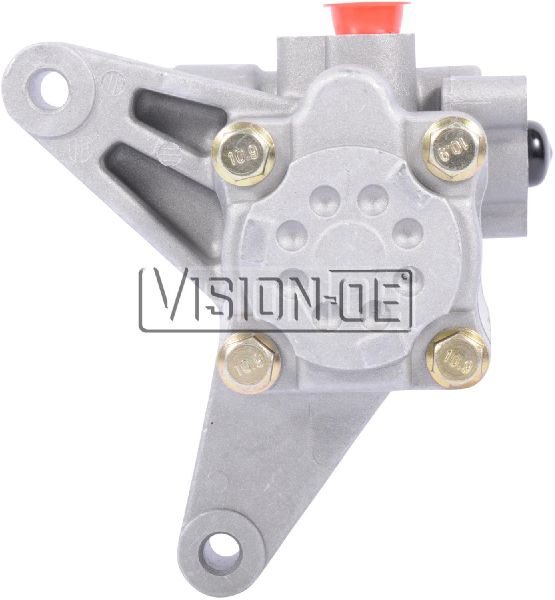
A Guide to the 1998-2003 Honda Accord Power Steering Pump
Is your Accord's steering whining or getting stiff? Here’s what you need to know before replacing the power steering pump.
- A whining noise is the most common symptom, but you should first replace the cheap inlet hose O-ring before condemning the pump.
- You MUST use Genuine Honda Power Steering Fluid; using the wrong fluid will cause noise and damage.
- V6 and 4-cylinder engines use different pumps; verify your engine type before ordering.
- For 2003 V6 models, be aware of the power steering hose recall, as a leaking hose can starve the pump of fluid.
Is Your Power Steering Pump Failing?

A failing power steering pump in a 1998-2003 Honda Accord gives clear warning signs. Ignoring them can lead to a pump that fails completely, making the car very difficult to steer.
- Whining Noise: The most common symptom is a whining or groaning sound that gets louder when you turn the steering wheel. This is often caused by low fluid or air in the system.
- Stiff Steering: If turning the wheel suddenly becomes difficult, especially at low speeds, the pump is likely not providing enough pressure.
- Fluid Leaks: Puddles of reddish or light brown fluid under the front of your car are a sign of a leak. The pump itself can leak from its seals.
- Foaming Fluid: If you check the power steering reservoir and the fluid looks bubbly or foamy, it means air is getting into the system.
Pro Tip: Check the O-Ring First!
Before you replace the entire pump, check the small O-ring on the pump's inlet hose (where the fluid comes in from the reservoir). This O-ring is a very common failure point on 6th generation Accords. When it gets old and hard, it allows air to be sucked into the system, causing a loud whining noise that sounds exactly like a bad pump. Replacing this O-ring is very inexpensive and may solve your problem completely.
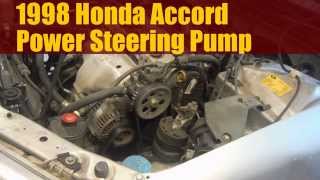
🎬 Watch this step-by-step guide to replacing the O-ring.Known Issues for This Generation

Recall Notice: 2003 Honda Accord V6 Power Steering Hose
There was a significant recall for 2003-2007 Honda Accords with the V6 engine. The power steering hose, not the pump, could crack from high engine heat and leak fluid onto the hot catalytic converter, creating a fire risk. While this recall was for the hose, any leak in the system can damage the pump by running it low on fluid. Ensure this recall work has been completed on your vehicle.
Choosing the Right Aftermarket Pump

When your original pump fails, you have several aftermarket options. OEM parts are high quality but very expensive. Aftermarket parts offer a balance of cost and quality.
| Brand Tier | Description |
|---|---|
| Premium New Aftermarket (e.g., PWR) | These are 100% new units, not rebuilt. Brands like PWR are engineered in North America and often come as a complete kit with the pulley and necessary seals, making installation easier. This is a top-tier choice for reliability without paying for the Honda name. |
| Quality Remanufactured (e.g., Atlantic Automotive Enterprise, BBB Industries) | These brands take original OEM pump bodies and rebuild them with new seals and bearings. AAE is a steering specialist with a good reputation for testing their products. BBB is also a common remanufacturer. This can be a good middle-ground option. |
| Budget Remanufactured (e.g., Cardone) | Cardone is widely available but has very mixed reviews. While some users report success, many mechanics and forum users report parts that are faulty out of the box or fail prematurely. It's a budget option, but can be a gamble. |
| Economy New/Reman (e.g., Replacement) | This category covers store brands and other low-cost options. They are the most affordable but may have questionable long-term durability. They can be a solution if budget is the primary concern. |
Replacement Cost
The cost to replace a power steering pump varies based on the part you choose and who does the work.
| Item | Estimated Cost |
|---|---|
| New OEM Part | $600 - $950 |
| New Aftermarket Part | $120 - $370 |
| Remanufactured Part | $140 - $275 |
| Shop Labor | $150 - $400 |
| Total Professional Job | $270 - $770+ |
Frequently Asked Questions

Can I use regular power steering fluid in my Accord?
No. You must use Genuine Honda Power Steering Fluid. This is critical. Using generic fluid or transmission fluid can cause the system to whine, perform poorly, and can quickly damage a brand new pump and its seals.
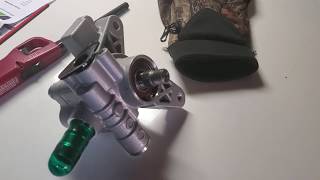
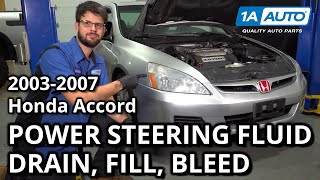
🎬 Learn how to properly drain, fill, and bleed the system.Why is it important to know if I have a 4-cylinder or V6 engine?
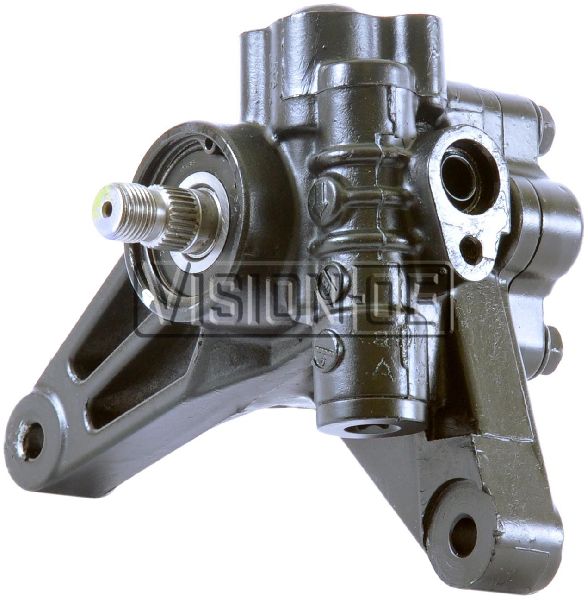
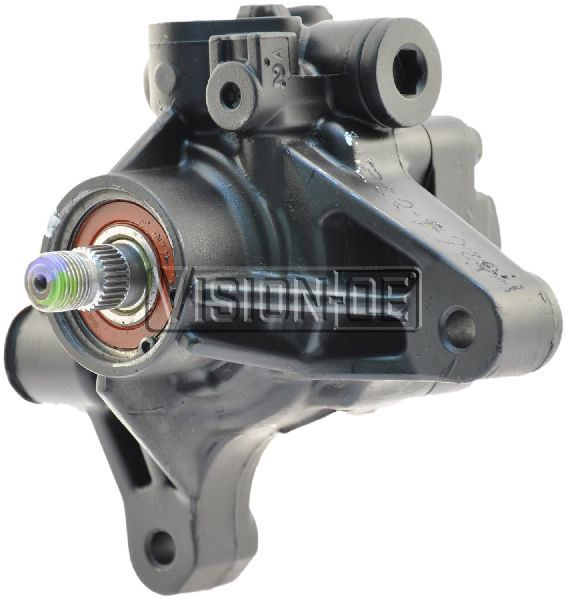
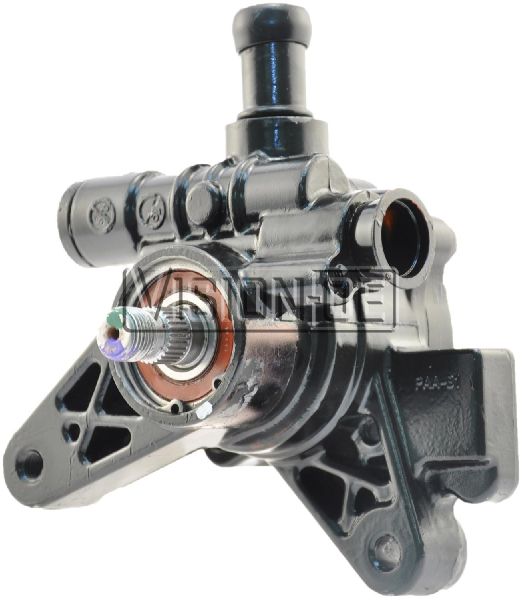
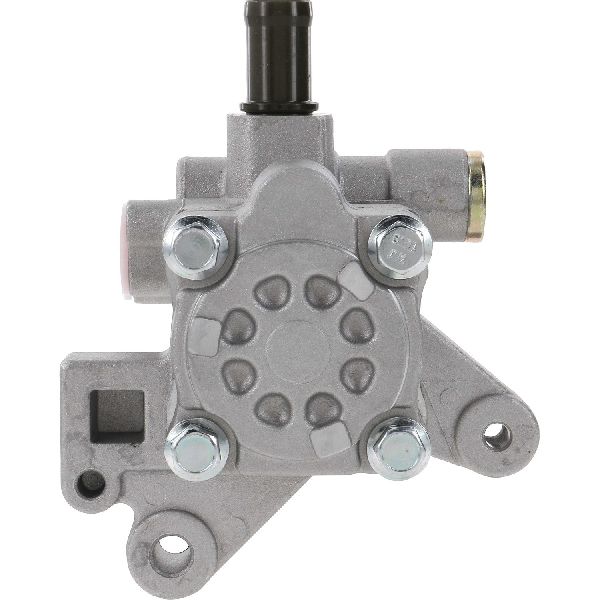
The 4-cylinder (2.3L or 2.4L) and V6 (3.0L) engines in the 1998-2003 Accord use different power steering pumps and have different mounting brackets and hose locations. You must order the specific part for your engine to ensure it fits and functions correctly.
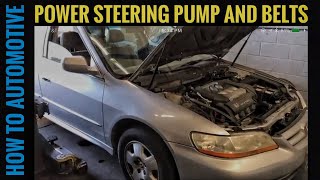
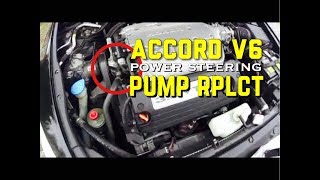
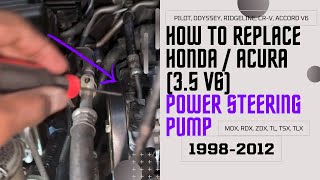
🎬 See how to replace the pump on V6 models.Should I buy a new or remanufactured pump?
A new aftermarket pump (like PWR) offers peace of mind as every component is new. A quality remanufactured pump (like AAE) is a cost-effective and reliable choice because it's built on a proven OEM core. Budget remanufactured parts are cheaper but carry a higher risk of early failure.
Do aftermarket pumps come with a pulley?
It depends on the brand. Some, like PWR, often include a pre-installed pulley which makes the job easier. Many remanufactured pumps require you to remove the pulley from your old pump and install it on the new one. Always check the product description to see if a pulley is included.
Helpful Videos

Technical Specifications
OEM Part Numbers: 56110-PAA-A01 (2.3L 4-Cyl 1998-2002) 56110-P8A-A01 (3.0L V6 1998-2002) 56110-RAA-A01 (2.4L 4-Cyl 2003) 56110-RCA-A01 (3.0L V6 2003)
Verify your engine (2.3L, 2.4L, or 3.0L V6) before ordering, as the pumps are not interchangeable. Some pumps come with a pulley, others do not. Always flush the system and fill with Genuine Honda Power Steering Fluid.
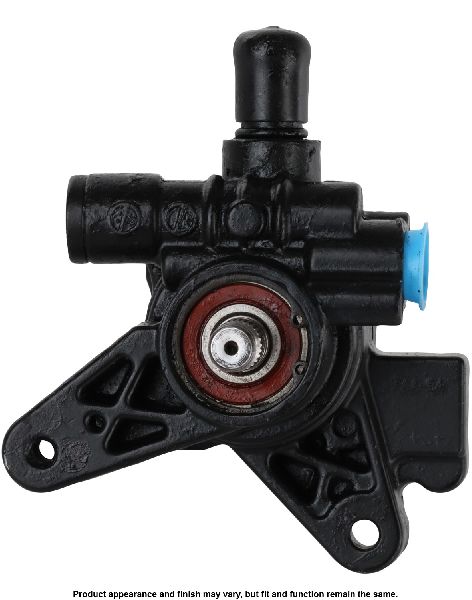
We Have This Part in Stock

The information in this article is provided for general reference and educational purposes only. Vehicle specifications, procedures, and part compatibility can vary by production date, trim level, and region. Always consult your vehicle's factory service manual and verify part numbers before purchasing or performing repairs. Safety-critical components such as airbags, seat belts, and braking systems should be installed by a qualified professional.
- Honda Accord: