

A Practical Guide to the 1998-2003 Lincoln Navigator ABS Wheel Speed Sensor
Understanding and replacing the ABS sensors on your first-generation Navigator is easier than you think.
- A bad rear ABS sensor can mimic serious transmission problems; always check sensors first if you have an ABS light and shifting issues.
- The rear sensor on the differential is a very easy DIY replacement that takes less than 30 minutes.
- Use a scanner to identify the exact failed sensor before buying a new part to avoid guesswork.
- For this vehicle's age, a premium aftermarket brand like Delphi, Standard Ignition (SMP), or NGK offers a reliable repair without the high cost of an OEM Motorcraft part.
Is a Bad ABS Sensor Causing Your Navigator's Problems?
When an ABS wheel speed sensor fails on your 1998-2003 Navigator, it can cause some confusing and concerning symptoms. Because these sensors are exposed to heat, water, and road debris, failure is common over time. The most obvious sign is the ABS warning light on your dashboard. You might also see the traction control light come on. Since the rear sensor often controls the speedometer, you could experience an erratic or dead speedometer needle, harsh transmission shifting, or a cruise control system that won't work. In some cases, you might feel the brake pedal pulse incorrectly at low speeds or hear grinding noises as the ABS tries to activate when it shouldn't.
Don't Mistake a Sensor for a Transmission Problem
Many Navigator owners have spent hundreds or thousands of dollars on transmission diagnostics only to find the real problem was a single, inexpensive ABS sensor on the rear differential. If you have both an ABS light and strange shifting behavior, always investigate the ABS sensors first.
Choosing the Right Aftermarket ABS Sensor
When replacing a sensor, you have a choice between OEM (Motorcraft) and various aftermarket brands. For a vehicle of this age, a quality aftermarket sensor often provides the best balance of price and performance. Here’s a breakdown of the brands available:
- OEM (Motorcraft): This is the original part your Navigator was built with. It guarantees perfect fit and function but comes at the highest price. If you want zero guesswork, Motorcraft is the top choice.
- Premium Aftermarket (Delphi, SKF, Standard Ignition, NGK): These brands have a strong reputation for producing parts that meet or exceed OEM quality. Delphi and Standard Motor Products (SMP) are often cited by mechanics as reliable choices for sensors. NGK (also known as NTK for sensors) is another trusted name, often an OEM supplier for other vehicle makes. SKF is a leader in bearings and hub assemblies, and their sensors are generally well-regarded.
- Standard Aftermarket (Dorman, Hella, Holstein): These brands offer a good balance of value and quality. Dorman is widely available and often includes improvements on the original design, though quality can sometimes be inconsistent according to forum discussions. Hella and Holstein are established European and North American brands, respectively, that produce reliable replacement parts.
- Economy Aftermarket (URO Parts, Walker Products): These brands are typically the most affordable. URO Parts focuses heavily on European vehicles but offers some domestic applications; they can be a budget-friendly option, but some users report fitment or longevity issues compared to premium brands. Walker Products is another economy choice. For a critical sensor, it's often wise to spend a little more for a brand with a more established track record.
Pro Tip: Check the Location Before You Buy
Your Navigator has multiple ABS sensors. The front sensors are located at each wheel hub, while a single rear sensor is mounted on top of the rear differential. A diagnostic scan tool can read the specific trouble code (e.g., C1175 for Left Rear Speed Sensor) to tell you exactly which sensor has failed, saving you time and money.
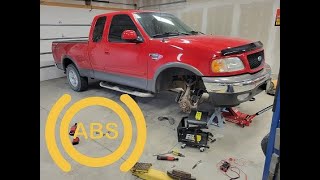
🎬 Watch: How to diagnose your ABS light with or without a scan tool.Estimated Costs for Replacement
| Part & Service | Estimated Cost |
|---|---|
| New OEM (Motorcraft) Sensor | $90 - $180+ |
| New Aftermarket Sensor | $22 - $174 |
| Shop Labor for One Sensor | $100 - $150 |
| DIY Replacement (Part Cost Only) | $22 - $174 |
Frequently Asked Questions
Can I replace just one ABS sensor?
Yes. The sensors are not a matched set. You only need to replace the specific sensor that has failed. An OBD-II scanner with ABS capabilities can tell you which sensor is sending a fault code.
Is the rear sensor hard to replace?
No, the rear differential sensor is one of the easiest repairs you can do on your Navigator. It's held in by a single bolt (usually 8mm or 10mm) and is easily accessible from under the truck. The job can often be done in less than 30 minutes with basic tools.
🎬 See this walkthrough for removing the rear ABS sensor.What are the main differences between the front and rear sensors?
The front sensors are located at each front wheel hub and read a toothed ring on the hub assembly. The rear sensor is located on top of the rear differential and reads a tone ring inside the differential housing. On most 1998-2003 models, the rear sensor also provides the vehicle speed signal for the speedometer and transmission.
Were there any recalls for the ABS sensors on this Navigator?
No specific recalls were found from the National Highway Traffic Safety Administration (NHTSA) for the ABS wheel speed sensors on the 1998-2003 Lincoln Navigator. However, always check for recalls using your vehicle's VIN on the official NHTSA or Lincoln owner websites.
Helpful Videos




Technical Specifications
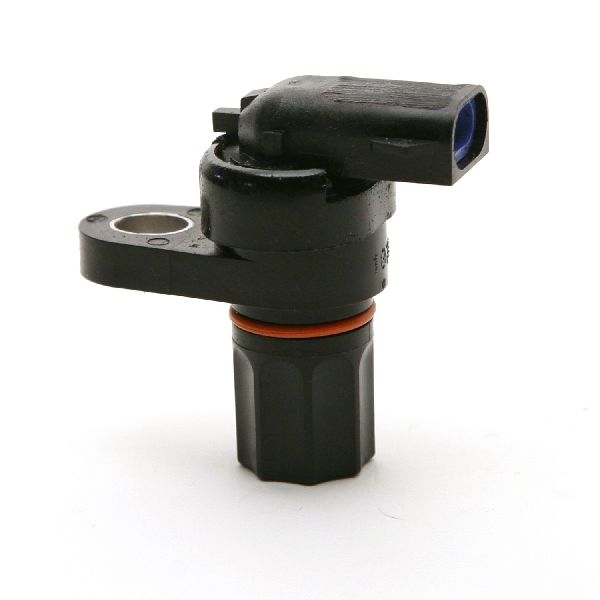
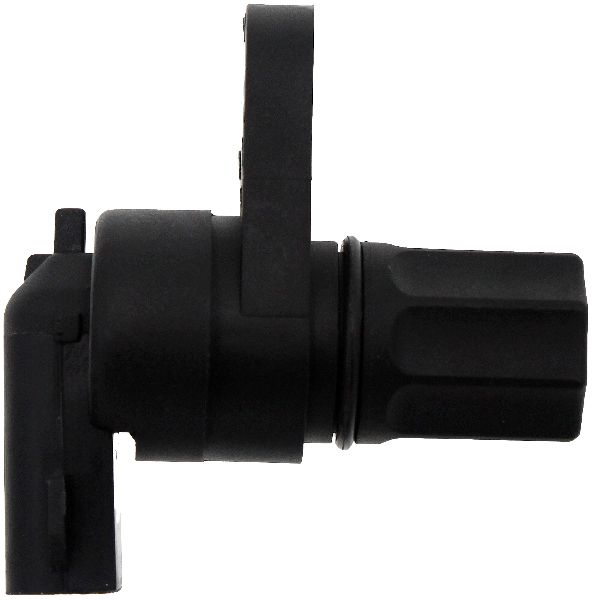
OEM Part Numbers: F85Z2C190AC F85Z2C204AB YL1Z2C204AA
The sensors for the 1998-2003 Lincoln Navigator are typically 2-wire magnetic or Hall-effect sensors. The front sensors are located at the wheel hubs, and a single rear sensor is mounted on the rear differential housing.
We Have This Part in Stock


The information in this article is provided for general reference and educational purposes only. Vehicle specifications, procedures, and part compatibility can vary by production date, trim level, and region. Always consult your vehicle's factory service manual and verify part numbers before purchasing or performing repairs. Safety-critical components such as airbags, seat belts, and braking systems should be installed by a qualified professional.
- Lincoln Navigator: