

Steering Tie Rod End Guide for 1998-2003 Lincoln Navigator
Restore your Navigator's steering precision and prevent uneven tire wear by choosing the right replacement tie rod ends.
- A professional wheel alignment is mandatory after replacing any tie rod end to prevent unsafe handling and rapid tire wear.
- Symptoms of failure include loose steering, clunking noises from the front end, and uneven tire wear.
- For best results, choose premium brands like Motorcraft, Moog, or Delphi; they offer superior durability for a heavy vehicle like the Navigator.
- It is highly recommended to replace tie rods in pairs (both outers or both inners) for balanced performance and wear.
Is Your Navigator's Steering Feeling Loose?
A common issue on the first-generation Lincoln Navigator is the eventual wear of steering components like tie rod ends. These parts are constantly moving, and over tens of thousands of miles, the internal ball and socket joint can loosen. This leads to symptoms like a wandering or shaky steering wheel, clunking noises, and accelerated tire wear. Because the Navigator is a large, heavy SUV, these symptoms can feel especially pronounced and concerning.
Symptoms of a Failing Tie Rod End
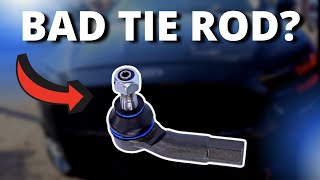
If you notice any of these signs, it's time to inspect your steering system. 🎬 Watch this video to see common symptoms of bad tie rods. A worn tie rod is not just a nuisance; a complete failure can lead to a loss of steering control on one wheel.
- Loose or Shaky Steering: You may feel a dead spot or excessive play in the steering wheel, requiring you to make constant corrections to drive straight. The steering might feel less responsive than it used to.
- Clunking or Popping Noises: A common sign is a clunking or rattling sound from the front end, especially noticeable when turning at low speeds or going over bumps. This is the sound of the loose joint moving around.
- Uneven Tire Wear: A bad tie rod will cause the front alignment to be off, resulting in the inside or outside edge of your front tires wearing down much faster than the rest of the tread.
- Vehicle Pulling to One Side: When a tie rod is worn, it can cause the vehicle to drift or pull to the left or right, even when the steering wheel is pointed straight.
Known Issues & Recalls
While there are no specific recalls for tie rod failure on the 1998-2003 Navigator, Ford did issue a maintenance guide update in 2004 for these vehicles. It recommended inspecting the steering linkage, including tie-rod ends, every 20,000 km (approximately 12,500 miles). This suggests that these components are known wear items. Failure to replace worn tie-rod ends could eventually lead to a separation and loss of steering control. One complaint was filed with the NHTSA in 2003 for a left tie rod failure on a 1998 Navigator.
Choosing the Right Aftermarket Tie Rod End
For a vehicle of this age, aftermarket parts offer a great balance of cost and quality. However, not all brands are created equal. Here’s a breakdown of available brands to help you choose.
Tier 1: Premium & OEM Brands
These brands are known for quality that meets or exceeds the original factory parts. They are the best choice for owners who want maximum durability and peace of mind.
- Motorcraft: As Ford's official parts brand, Motorcraft is the original equipment (OEM) supplier. Choosing Motorcraft guarantees a perfect fit and the same quality your Navigator had from the factory. They are a top choice if your budget allows.
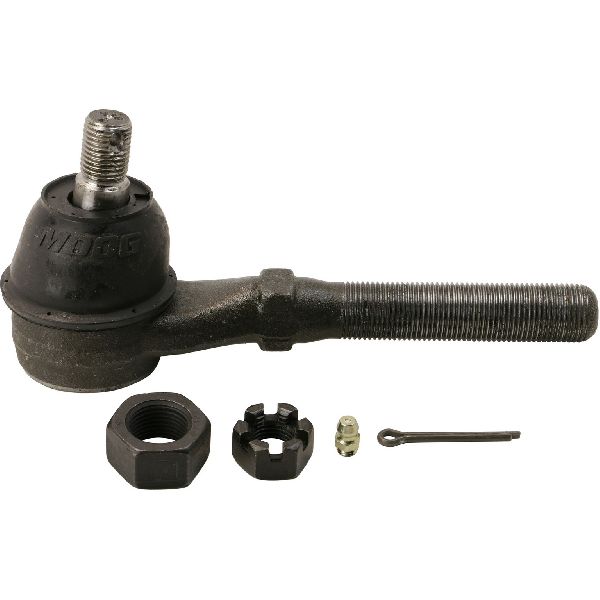
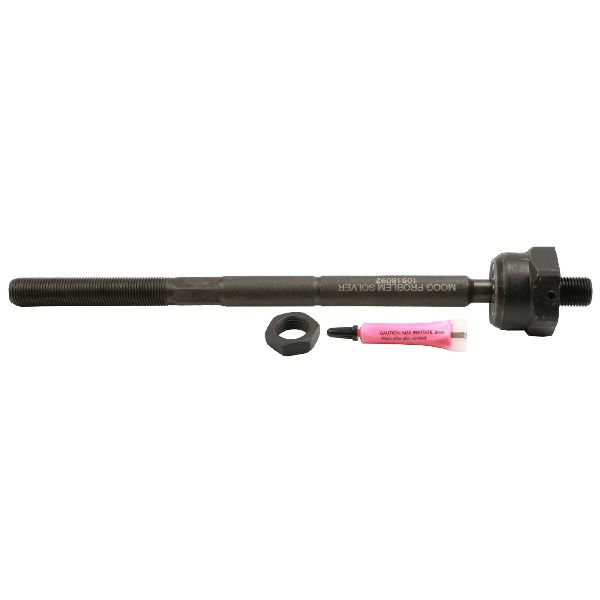
- Moog (Problem Solver Series): For years, Moog has been a top-tier aftermarket brand, often engineering their "Problem Solver" line to be stronger than the original parts. They often feature greaseable fittings, which can extend their lifespan if serviced regularly. However, some users report a decline in quality in recent years, so ensure you are getting the premium "Problem Solver" line, not their budget-oriented parts.
- Delphi: A well-respected OEM supplier for many car manufacturers, Delphi parts are known for their quality and durability. They are a solid alternative to Motorcraft or Moog.
- ACDelco (Professional Series): While often associated with GM vehicles, ACDelco's Professional line of chassis parts has a good reputation for quality and is a reliable choice.
Tier 2: Standard Replacement Brands
These brands offer good quality for daily driving and are a significant step up from economy parts. They are a popular choice for DIY repairs and independent shops.
- Mevotech (Supreme or TTX): Mevotech offers multiple quality levels. Their "Supreme" line is considered near-OEM quality, while the "TTX" line is their heavy-duty option, often featuring improvements for durability. They can be a very good alternative to premium brands, especially for trucks and SUVs. Avoid their most basic lines if longevity is your priority.
- Dorman: Dorman is known for providing a wide range of aftermarket parts that often include design improvements over the original. They are a reliable mid-grade option.
- QuickSteer: Often associated with Moog, QuickSteer provides a good balance of quality and value for standard replacements.
Tier 3: Economy Brands
These brands are the most affordable but may not offer the same long-term durability as premium or standard options. They can be a viable choice for budget-conscious repairs, but be aware of the potential for a shorter service life.
- Skyward
- Suspensia
Estimated Costs
| Part / Service | Estimated Cost |
|---|---|
| New Aftermarket Tie Rod End (Single) | $18 - $98 |
| New OEM (Motorcraft) Tie Rod End (Single) | $60 - $120 |
| Shop Labor (Per Side) | $50 - $100 |
| Wheel Alignment (Required) | $100 - $200 |
Frequently Asked Questions
Do I have to get an alignment after replacing a tie rod?
Yes, absolutely. Replacing a tie rod end, even if you try to match the length of the old one, will change the front-end alignment. Skipping the alignment will cause poor handling and rapid, uneven tire wear.
Can I replace just one tie rod end?
While you can replace just the one that has failed, it is best practice to replace them in pairs (both outer tie rods or both inner tie rods at the same time). If one has worn out, the other side is likely not far behind. This ensures balanced steering performance.
What is the difference between an inner and outer tie rod?
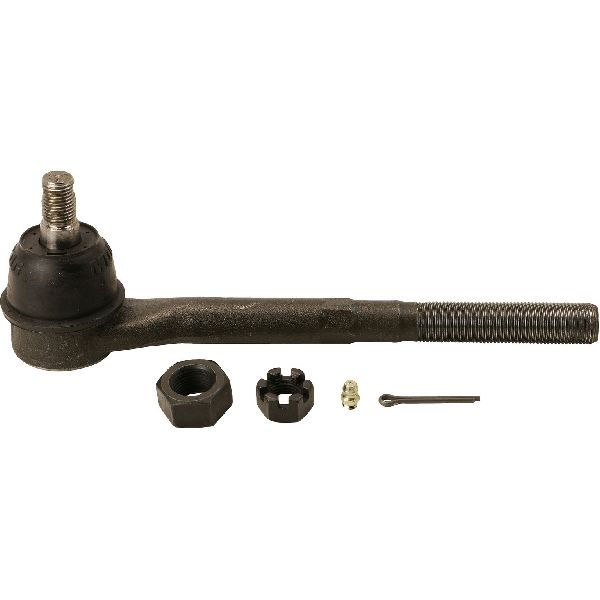
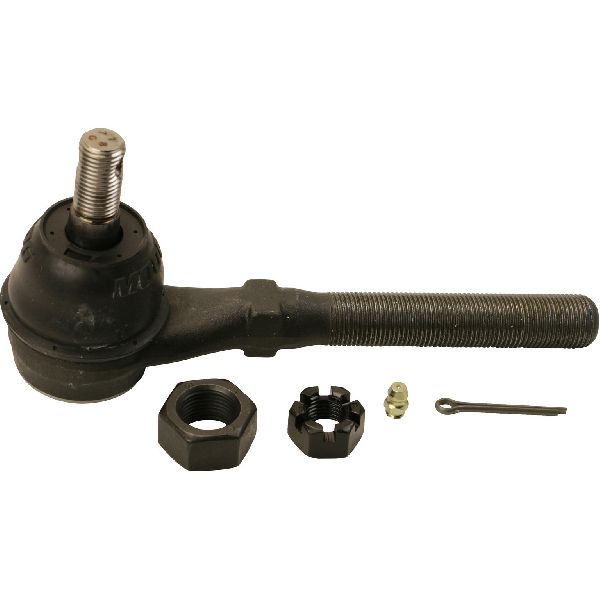
The inner tie rod connects directly to the steering rack, while the outer tie rod connects to the steering knuckle at the wheel. They are connected by an adjusting sleeve. Both can wear out, but the outer tie rod end is more commonly replaced.
How can I check if my tie rods are bad?
Safely lift the front of the vehicle so the wheels are off the ground. Grab a tire at the 3 and 9 o'clock positions and try to wiggle it from side to side. If you feel play or hear a clunking noise, a tie rod end is likely worn. Have a helper watch the tie rod joints for movement as you do this.
Helpful Videos
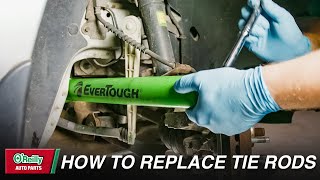
Technical Specifications
OEM Part Numbers: F65Z-3A130-AA
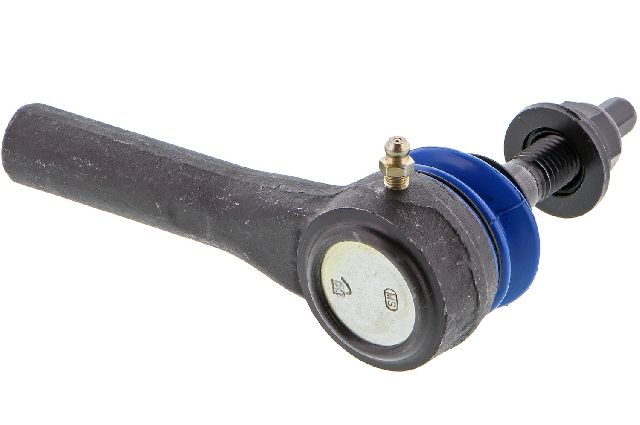
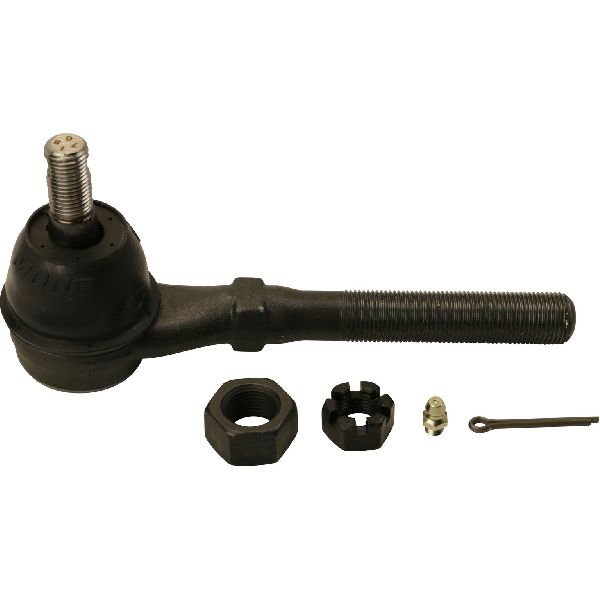
The 1998-2003 Lincoln Navigator uses a steering system with two inner and two outer tie rod ends. The outer tie rods are specific to the driver (left) and passenger (right) side. Part numbers ES3366T (Outer Left) and ES3367T (Outer Right) are common aftermarket designations.
We Have This Part in Stock

The information in this article is provided for general reference and educational purposes only. Vehicle specifications, procedures, and part compatibility can vary by production date, trim level, and region. Always consult your vehicle's factory service manual and verify part numbers before purchasing or performing repairs. Safety-critical components such as airbags, seat belts, and braking systems should be installed by a qualified professional.
- Lincoln Navigator:
- 🎬 Helpful Videos
- 🛍️ Shop This Part
- Is Your Navigator's Steering Feeling Loose?
- Symptoms of a Failing Tie Rod End
- Known Issues & Recalls
- Choosing the Right Aftermarket Tie Rod End
- Tier 1: Premium & OEM Brands
- Tier 2: Standard Replacement Brands
- Tier 3: Economy Brands
- Estimated Costs
- Frequently Asked Questions
- 🎟️ Get 5% Off