

Subaru Forester Catalytic Converter Guide (1998-2003)
Is your 1998-2003 Forester showing a P0420 code? Here’s what you need to know before buying a new catalytic converter.
- The P0420 code is the most common sign of failure, but you must diagnose the root cause (like bad O2 sensors) before replacing the converter.
- You must buy a converter that matches your state's laws: either CARB-compliant (CA, NY, ME) or Federal EPA.
- For long-term reliability, choose a trusted aftermarket brand like MagnaFlow or Walker.
- On a 20+ year-old Forester, expect a fight with rusted bolts during replacement; what should be a simple job can become difficult.
Is Your Forester's Catalytic Converter Failing?
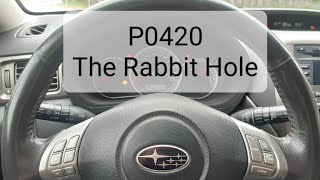
The most common sign of a problem is the check engine light coming on with a P0420 code, which means "Catalyst System Efficiency Below Threshold". On these Foresters, this often appears with a blinking "Cruise" light and a solid traction control light. You might also notice the engine feels sluggish, you're getting worse gas mileage, or you hear a rattling sound from under the car. A rotten egg smell from the exhaust is another classic sign.
Don't Blame the Converter... Yet
🎬 Watch: A step-by-step guide to addressing the P0420 code.A P0420 code doesn't always mean the converter is bad. It often fails because another part has failed first. Common causes are bad oxygen sensors, exhaust leaks, or an engine that's burning oil or running rich. Always fix the root cause of the problem, or you will ruin your new converter quickly.
Choosing the Right Aftermarket Converter
When replacing the converter on your Forester, you don't have to buy the expensive part from a Subaru dealer (called an OEM part). Aftermarket parts can save you a lot of money, but quality varies. Here’s a breakdown of common brands from good to budget-friendly.
Tier 1: Premium Aftermarket
These brands are known for good quality and fit, making them a reliable choice if you plan to keep your Forester for a while.
- MagnaFlow / MagnaFlow Performance Exhaust: A top choice known for durable, stainless steel construction and good performance. They are a trusted brand among mechanics.
- Walker Exhaust: Another highly trusted brand that makes reliable, OE-style replacements. They are known for good fitment, which makes installation easier.
Tier 2: Standard / Economy Aftermarket
These brands offer a good value and are a smart choice for a budget-minded repair, but may not last as long as premium options.
- AP Exhaust / Eastern Catalytic: These are popular budget-friendly options. However, some users report that the fit might not be perfect and may require some adjustment during installation. Longevity can be a concern, with some owners needing another replacement sooner than with premium brands.
- Evan Fischer / Original Performance: These brands are common in online marketplaces and provide an affordable option to get your car back on the road and pass emissions.
CARB vs. Federal EPA: A Must-Know
Before you buy, you MUST know your state's laws. States like California, New York, and Maine require CARB-compliant converters. These are more expensive but meet stricter emissions standards. All other states use the less expensive Federal (EPA) standard. Installing the wrong type will cause you to fail your emissions test.
How Much Should It Cost?
Prices can vary a lot based on the brand you choose and your local shop's labor rates.
| Part or Service | Estimated Cost |
|---|---|
| New Aftermarket Converter (Part Only) | $185 - $1,065 |
| New OEM Converter (Part Only) | $1,000 - $2,000+ |
| Shop Labor | $150 - $400 |
| Total Aftermarket Replacement (Installed) 🎬 Watch this quick diagnostic and repair estimate for Subaru owners. | $425 - $1,260 |
Frequently Asked Questions
Can I install a new catalytic converter myself?
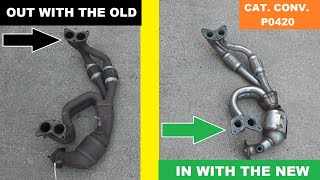
Yes, if you have the right tools and some experience. It's a bolt-on part, but on a 20+ year-old Forester, the bolts will likely be very rusted and difficult to remove. You will need rust penetrant, a good socket set, and possibly a torch to heat seized bolts. 🎬 See how to replace the converter using basic hand tools. If you're not comfortable with that, it's best to take it to a shop.
Why are some aftermarket converters so much cheaper?
They use fewer of the expensive precious metals (like platinum) that do the actual work of cleaning the exhaust. This means they are cheaper to make, but they may not last as long or work as efficiently, potentially causing the P0420 code to return.
Were there any recalls for the 1998-2003 Forester converter?
No specific catalytic converter recalls were found for the 1998-2003 Subaru Forester during our research. While later models had some emissions-related recalls, this specific generation does not have an active recall for this part.
Should I replace my oxygen sensors at the same time?
It's a very good idea. Faulty oxygen sensors are a primary cause of catalytic converter failure. Replacing the front and rear O2 sensors with the converter helps ensure the whole system is working correctly and protects your investment in the new converter.
Helpful Videos
Technical Specifications
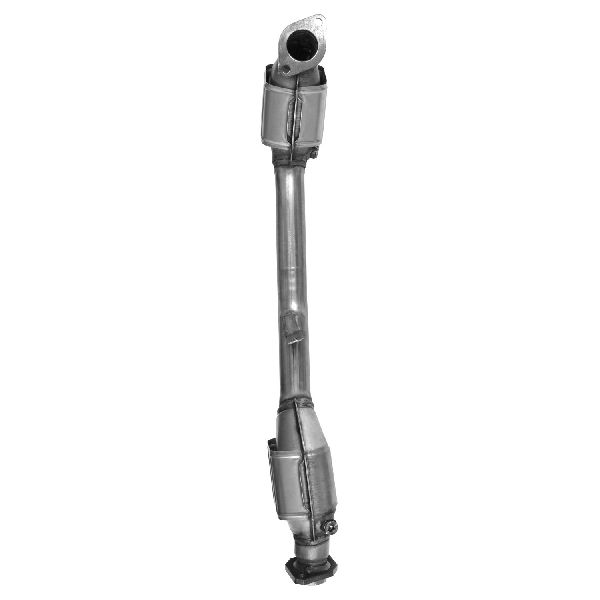
OEM Part Numbers: 44111AE061 44111AE060 44620AE201
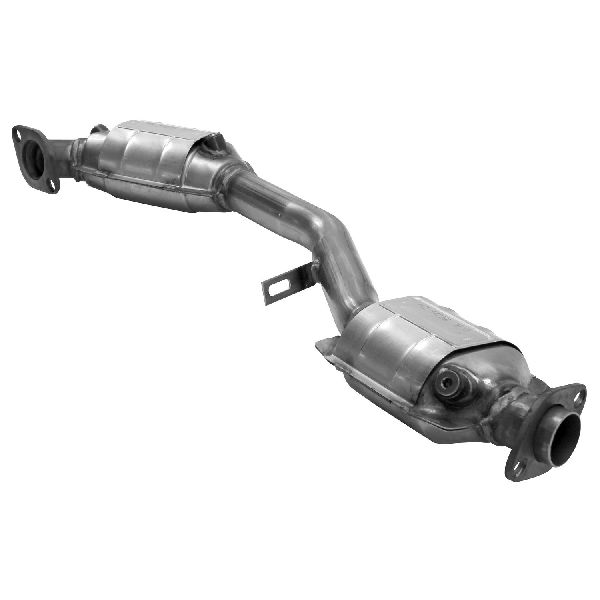
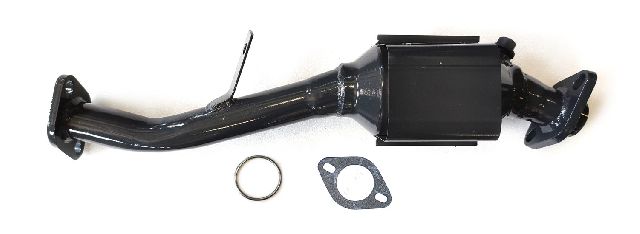
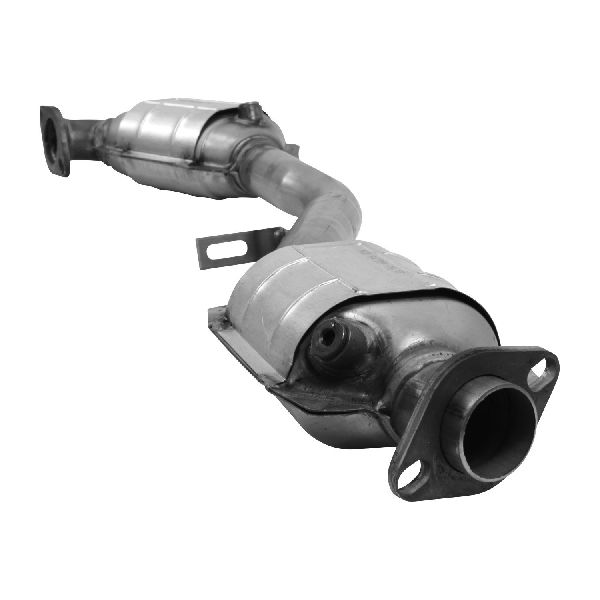
The 1998-2003 Subaru Forester uses a direct-fit catalytic converter assembly that includes the front pipe. It bolts between the exhaust manifold and the center pipe. The system uses two oxygen sensors, one before and one after the converter, to monitor its efficiency.
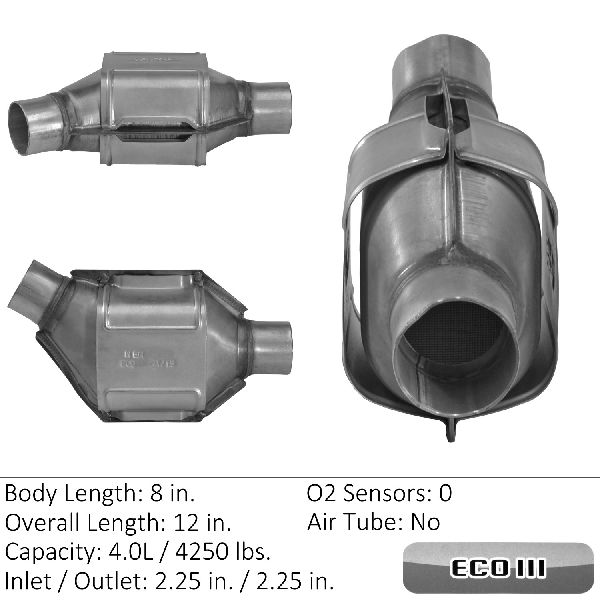
We Have This Part in Stock

The information in this article is provided for general reference and educational purposes only. Vehicle specifications, procedures, and part compatibility can vary by production date, trim level, and region. Always consult your vehicle's factory service manual and verify part numbers before purchasing or performing repairs. Safety-critical components such as airbags, seat belts, and braking systems should be installed by a qualified professional.
- Subaru Forester:
- 🎬 Helpful Videos
- 🛍️ Shop This Part
- Is Your Forester's Catalytic Converter Failing?
- Don't Blame the Converter... Yet
- Choosing the Right Aftermarket Converter
- Tier 1: Premium Aftermarket
- Tier 2: Standard / Economy Aftermarket
- CARB vs. Federal EPA: A Must-Know
- How Much Should It Cost?
- Frequently Asked Questions
- 🎟️ Get 5% Off