

A Forester Owner's Guide to the 1998-2003 Radiator
Keep your first-generation Forester's engine safe by understanding common radiator problems and choosing the right replacement.
- A failing radiator can cause overheating, which is a primary cause of expensive head gasket failure on this Forester generation.
- High-quality aftermarket brands like Koyorad, CSF, and Denso are highly recommended by owners and are considered equal to or better than OEM.
- The most common failure is a crack in the plastic end tanks or a leak at the seam where they join the aluminum core.
- Properly bleeding all air from the cooling system after installation is critical to prevent overheating issues.
Is Your Forester's Radiator Failing?
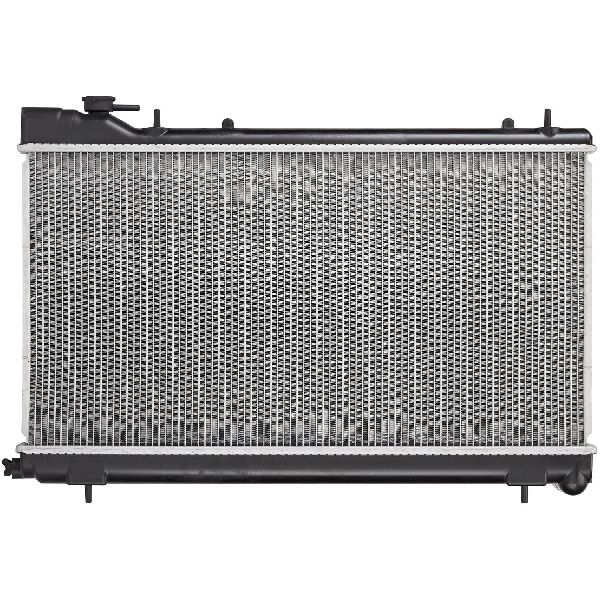
The original radiators in 1998-2003 Subaru Foresters use a common design with an aluminum core and plastic end tanks. Over time, the plastic can become brittle from heat and pressure, leading to cracks and leaks. A leak is the most common failure, often appearing where the plastic tanks are crimped to the aluminum core. If you don't catch a failing radiator early, you risk severe engine damage from overheating.
A Critical Link: Radiators and Head Gaskets
The 2.5L engine in this generation of Forester is well-known for head gasket issues. Overheating is a primary cause of head gasket failure. A leaking or clogged radiator can quickly cause the engine to overheat, which can warp the cylinder heads and blow the head gaskets. This is a much more expensive and difficult repair than replacing the radiator itself. Protecting your engine starts with a healthy cooling system.
Choosing the Right Aftermarket Radiator
When your original radiator fails, you have several aftermarket options. These parts are often more affordable than OEM parts and can sometimes offer superior performance. They generally fall into a few quality tiers.
Tier 1: Performance & Enhanced Durability
These brands are known for high-quality construction, often exceeding original factory specifications. They are a top choice for owners who want maximum reliability and cooling efficiency.
- Koyorad: Frequently recommended in owner forums, Koyorad is a top-tier aftermarket brand known for excellent build quality and perfect fitment. They offer both OEM-style replacements with plastic tanks and all-aluminum performance versions.
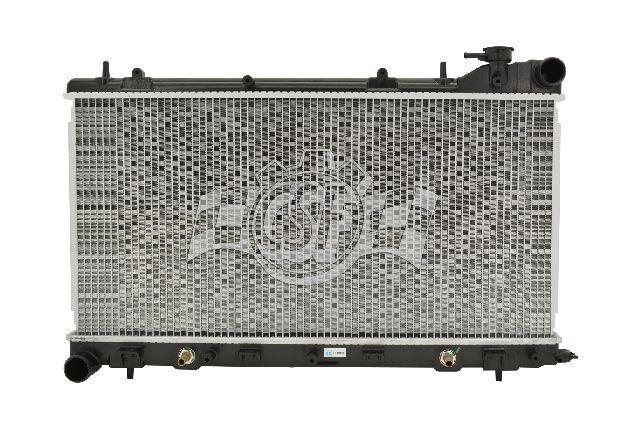
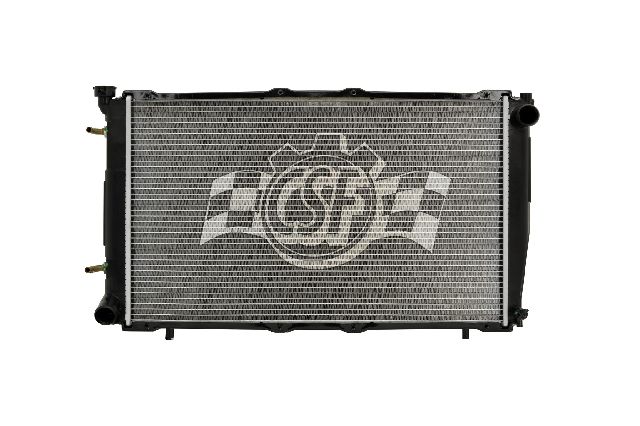
- CSF Radiator: Another highly-regarded brand, CSF offers quality radiators, including performance-oriented all-aluminum models that eliminate the risk of plastic tank failure.
- Denso: Denso is often an Original Equipment (OE) supplier for many Japanese vehicles, including Subaru. Choosing a Denso radiator is like getting an OEM quality part, ensuring excellent fit and function.
Tier 2: Standard Replacement
These brands provide reliable, direct-fit replacements that meet or exceed original specifications. They are a solid choice for daily driving and a good balance between cost and quality.
- Spectra: A well-known brand that offers dependable, OEM-style radiators.
- Nissens: A reputable European brand that manufactures quality cooling system components.
- APDI: Offers a wide range of radiators that are a popular choice for general repairs.
Tier 3: Budget-Friendly Options
These brands focus on providing the most affordable solution to get your Forester back on the road. While functional, they may not have the same long-term durability as higher-tier brands.
- Global Parts, One Stop Solutions, Reach Cooling: These brands offer cost-effective replacements for drivers on a tight budget.
Pro Tip: Burp the System!
After installing a new radiator, it is absolutely critical to properly "burp" the cooling system to remove all air pockets. Air trapped in the system can cause overheating, even with a brand-new radiator. Use a spill-free funnel kit and run the engine with the heater on high to work all the air out.
Frequently Asked Questions (FAQ)
Can I replace the radiator myself?
Yes, for many DIY mechanics, replacing the radiator on a 1998-2003 Forester is a manageable job. It requires basic hand tools and can typically be done in a few hours. You will need to drain the coolant, disconnect hoses and fan connectors, unbolt the radiator brackets, and swap the unit. The most critical part of the job is refilling and bleeding the air out of the system afterward.
Should I get an all-aluminum radiator?
An all-aluminum radiator is a popular upgrade. It eliminates the plastic end tanks, which are the most common failure point on the stock radiator. Brands like Koyorad and CSF offer these. While more expensive, they provide extra durability and peace of mind, especially if you live in a hot climate or use your Forester for demanding tasks.
What else should I replace with the radiator?
It's a good idea to replace the upper and lower radiator hoses at the same time, as they are exposed to the same heat and age as the radiator. Also, inspect the hose clamps and consider replacing the thermostat and radiator cap, as they are inexpensive parts that are critical to the cooling system's function.
Why is my Forester still overheating with a new radiator?
If overheating continues after a radiator replacement, there are a few likely causes. The most common is air trapped in the cooling system, which requires proper bleeding. Other possibilities include a faulty thermostat, a failing water pump, or a more serious issue like a blown head gasket that was caused by the initial overheating event.
Technical Specifications
OEM Part Numbers: 45111FC310 45111FC320 45111SA030 45111SA031 45119SA050
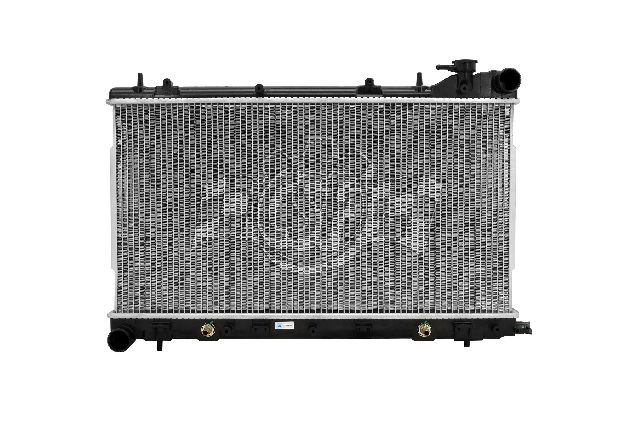
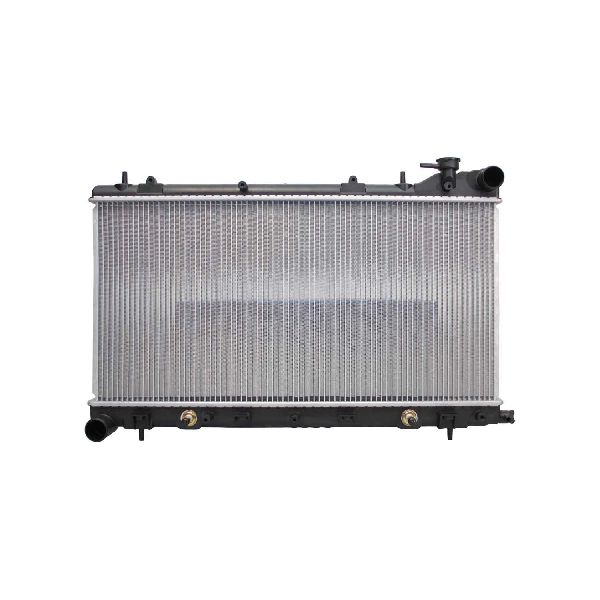
The original radiator for the 1998-2003 Subaru Forester features an aluminum core with plastic upper and lower tanks. Aftermarket options are available in the same configuration or as an upgraded all-aluminum design. Ensure the replacement has the correct hose inlet/outlet positions and fittings for the automatic transmission cooler if your vehicle is an automatic.
We Have This Part in Stock


The information in this article is provided for general reference and educational purposes only. Vehicle specifications, procedures, and part compatibility can vary by production date, trim level, and region. Always consult your vehicle's factory service manual and verify part numbers before purchasing or performing repairs. Safety-critical components such as airbags, seat belts, and braking systems should be installed by a qualified professional.
- Subaru Forester:
- 🛍️ Shop This Part
- Is Your Forester's Radiator Failing?
- A Critical Link: Radiators and Head Gaskets
- Choosing the Right Aftermarket Radiator
- Tier 1: Performance & Enhanced Durability
- Tier 2: Standard Replacement
- Tier 3: Budget-Friendly Options
- Pro Tip: Burp the System!
- Frequently Asked Questions (FAQ)
- 🎟️ Get 5% Off