

Toyota Sienna Oxygen Sensor Guide for 1998-2003 Models
Everything you need to know before replacing an oxygen sensor on your first-generation Toyota Sienna.
- For best results, use an OEM brand like Denso or a top-tier equivalent like NGK/NTK.
- Confirm the exact failed sensor location (Bank 1/2, Sensor 1/2) with a code scanner before buying.
- Sensors are often seized by rust; use penetrating oil and a special O2 sensor socket for removal.
- Replacing a bad sensor is key to restoring fuel economy and preventing damage to the catalytic converter.
Is Your Sienna's Oxygen Sensor Failing?

A bad oxygen sensor is a common issue that will almost always trigger your Check Engine Light. When a sensor fails, the engine's computer can't properly adjust the fuel mixture, leading to noticeable problems. Ignoring a failing sensor can cause poor performance and may eventually damage your expensive catalytic converter.
Common Symptoms of a Bad O2 Sensor:
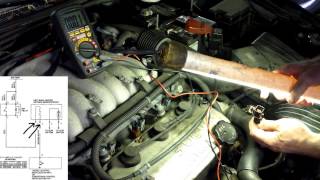
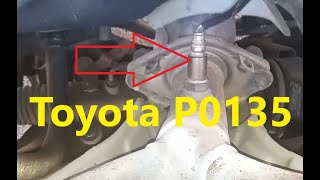
- Check Engine Light: The most common sign. Codes like P0135, P0155 (Heater Circuit Malfunction) 🎬 Watch this guide to diagnosing the P0135 heater circuit code., or P0157 are common for this generation Sienna.
- Poor Fuel Economy: The engine computer may run a rich fuel mixture to be safe, which wastes gas.
- Rough Idle or Hesitation: The engine may run unevenly or hesitate during acceleration because of the incorrect fuel mixture.
- Failed Emissions Test: The vehicle will not pass a smog check with an active oxygen sensor code.
Bank 1 vs. Bank 2: A Common Mistake
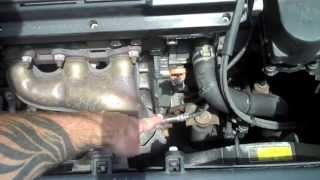
Your Sienna's V6 engine has two cylinder banks. Bank 1 is the cylinder head against the firewall (rear), and Bank 2 is the cylinder head near the radiator (front). The upstream sensor for Bank 1 is notoriously difficult to access, while the Bank 2 sensor is relatively easy. 🎬 See how to remove and install the Bank 2 sensor. Always confirm which sensor has failed by reading the specific trouble code before ordering a part.
Choosing the Right Aftermarket Oxygen Sensor

When it comes to engine management sensors for a Toyota, brand choice matters. While many options are available, they don't all perform the same. Using a low-quality sensor can lead to persistent check engine lights and performance issues.
Tier 1: OEM & Equivalent Brands
- Denso: Denso is the Original Equipment Manufacturer (OEM) for Toyota. This means the Denso sensor you buy from an auto parts store is often the exact same part sold in a Toyota box, but at a lower price. For guaranteed compatibility and performance, Denso is the top recommendation.
- NGK (NTK): NGK, which markets its sensors under the NTK brand, is another top-tier Japanese manufacturer highly regarded for its sensor quality. It is considered an OEM-equivalent choice and a reliable alternative to Denso.
Tier 2: Reputable Aftermarket Brands
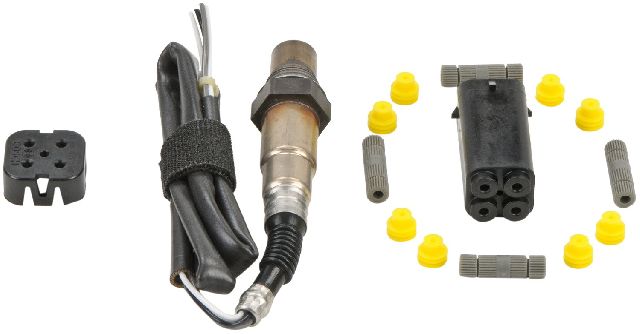
- Bosch: Bosch is a massive auto parts supplier that invented the modern oxygen sensor. While their sensors are high quality, forum discussions among Toyota owners often suggest sticking with Denso or NGK for best results on Japanese vehicles. A Bosch sensor will likely work, but the OEM brands are the safer bet.
- Delphi: Delphi is another large, reputable OEM supplier for many car brands. Like Bosch, they are a well-known name, but Denso remains the preferred choice for this specific application.
Tier 3: Economy Brands
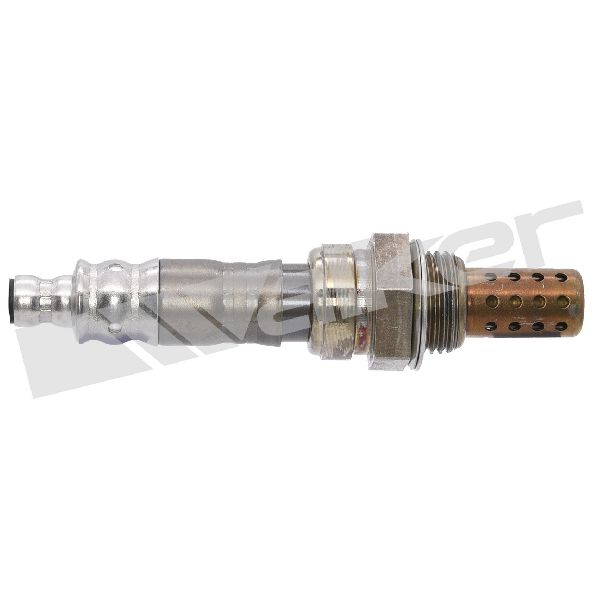
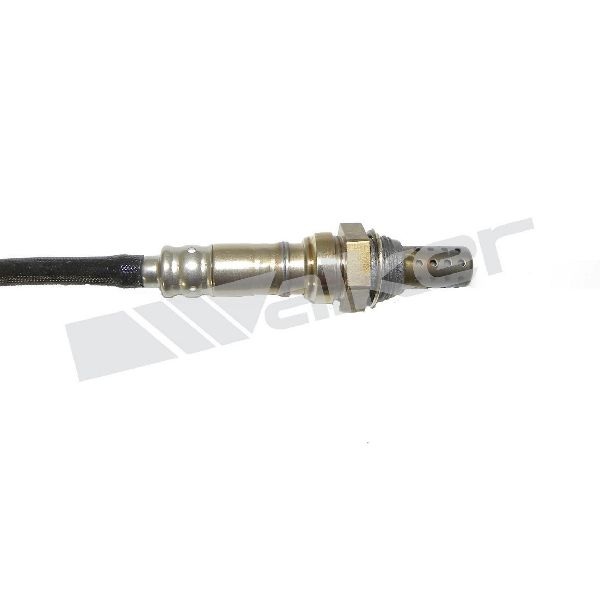
- Walker Products, DriveWire, Spectra: These brands offer a more budget-friendly price point. While they can work, they may have a shorter lifespan or less precise readings than OEM-spec sensors. If your budget is tight, they are an option, but be prepared for the possibility that they may not resolve the issue or could fail sooner.
Pro Tip: Many owners report that buying a Denso sensor from a reputable parts source is the best value, providing OEM quality without the dealership markup.
How Much Does an Oxygen Sensor Replacement Cost?
The cost depends on whether you do it yourself or use a repair shop. The price of the sensor itself also varies significantly by brand.
| Item | Estimated Cost |
|---|---|
| New OEM Sensor (Toyota-branded) | $120 - $190 per sensor |
| New Aftermarket Sensor | $27 - $370 per sensor |
| Shop Labor | $100 - $200 per sensor |
| Total Professional Replacement | $220 - $570 per sensor |
Frequently Asked Questions

How many oxygen sensors does my 1998-2003 Sienna have?
This generation of Sienna has three sensors in total: two upstream Air/Fuel Ratio sensors (Bank 1 Sensor 1 and Bank 2 Sensor 1) and one downstream Oxygen Sensor (Bank 1 Sensor 2).
What is the difference between an upstream and downstream sensor?
Upstream sensors (also called Air/Fuel Ratio or A/F sensors) are located before the catalytic converter and are used to control the engine's fuel mixture. The downstream sensor is located after the catalytic converter and its only job is to make sure the converter is working correctly.
Can I replace just one sensor?
Yes. You only need to replace the specific sensor that has failed. A diagnostic scanner will give you a code that points to the exact sensor location (e.g., Bank 1, Sensor 1).
Is replacing an oxygen sensor a DIY job?
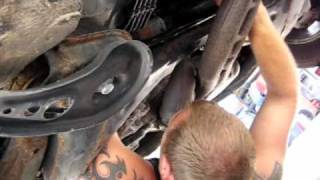
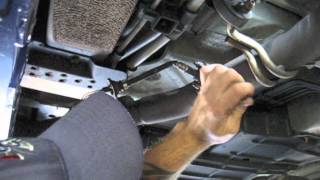
It can be. The difficulty varies greatly by location. The front upstream sensor (Bank 2) is easy to access. The downstream sensor is under the car but manageable. 🎬 Watch this walkthrough for replacing the downstream Bank 1 Sensor 2. However, the rear upstream sensor (Bank 1) is very difficult to reach. The biggest challenge is often that the old sensor is rusted and seized in the exhaust pipe, requiring a special O2 sensor socket, a long breaker bar, and penetrating oil.
Are there any recalls for the oxygen sensors on my Sienna?
No. Searches of the National Highway Traffic Safety Administration (NHTSA) database show no oxygen sensor recalls or technical service bulletins (TSBs) specifically for the 1998-2003 Toyota Sienna. Recalls found were for much newer models.
Helpful Videos
Technical Specifications
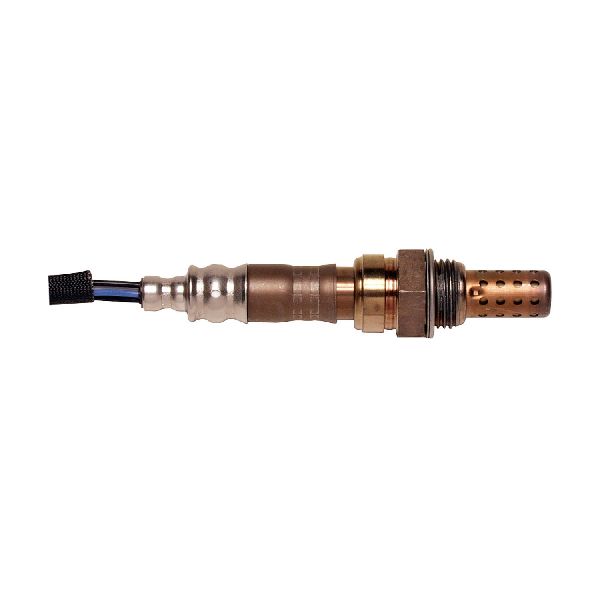
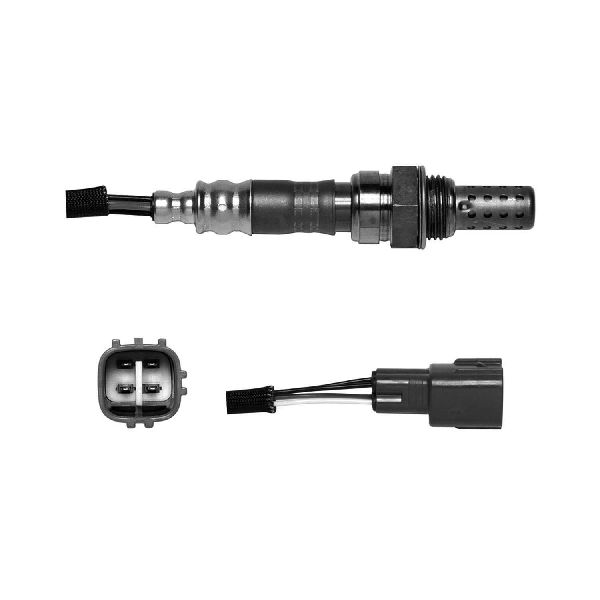
OEM Part Numbers: 89465-08010 89465-09290 89465-06100 89465-33180 89467-41010
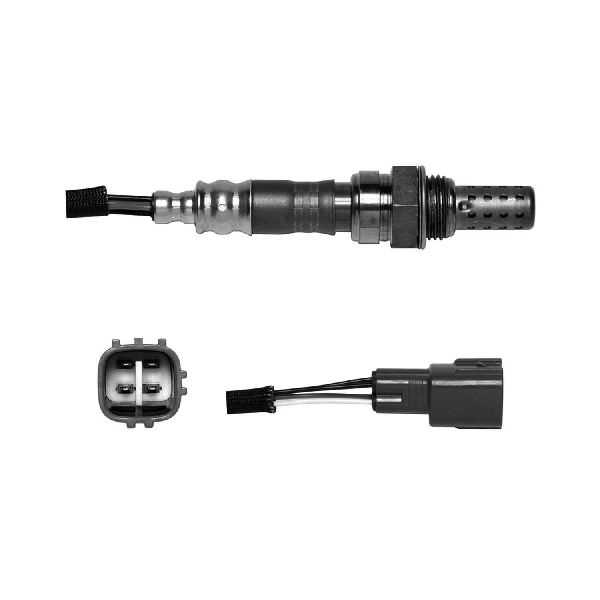
The 1998-2003 Sienna uses two upstream wideband Air/Fuel Ratio sensors and one downstream narrowband Oxygen sensor. All are 4-wire heated sensors.
We Have This Part in Stock

The information in this article is provided for general reference and educational purposes only. Vehicle specifications, procedures, and part compatibility can vary by production date, trim level, and region. Always consult your vehicle's factory service manual and verify part numbers before purchasing or performing repairs. Safety-critical components such as airbags, seat belts, and braking systems should be installed by a qualified professional.
- Toyota Sienna:
- 🎬 Helpful Videos
- 🛍️ Shop This Part
- Is Your Sienna's Oxygen Sensor Failing?
- Common Symptoms of a Bad O2 Sensor:
- Bank 1 vs. Bank 2: A Common Mistake
- Choosing the Right Aftermarket Oxygen Sensor
- Tier 1: OEM & Equivalent Brands
- Tier 2: Reputable Aftermarket Brands
- Tier 3: Economy Brands
- How Much Does an Oxygen Sensor Replacement Cost?
- Frequently Asked Questions
- 🎟️ Get 5% Off