

Audi A6 Manifold Absolute Pressure (MAP) Sensor Guide: 1998-2004
Understand the symptoms of a failing MAP sensor in your C5 Audi A6 and learn how to choose the right replacement part.
- On 2.7T engines, this part is called a boost pressure sensor and is critical for turbo performance.
- Always check for vacuum leaks and damaged wiring before replacing the sensor, as these can cause identical symptoms.
- A failing MAP sensor will almost always trigger a Check Engine Light with codes like P0106 or P0238.
- For reliability, choose an OEM-supplier part (like Bosch) or a reputable aftermarket brand like Holstein; avoid the cheapest options.
A Critical Sensor for Your A6 Engine
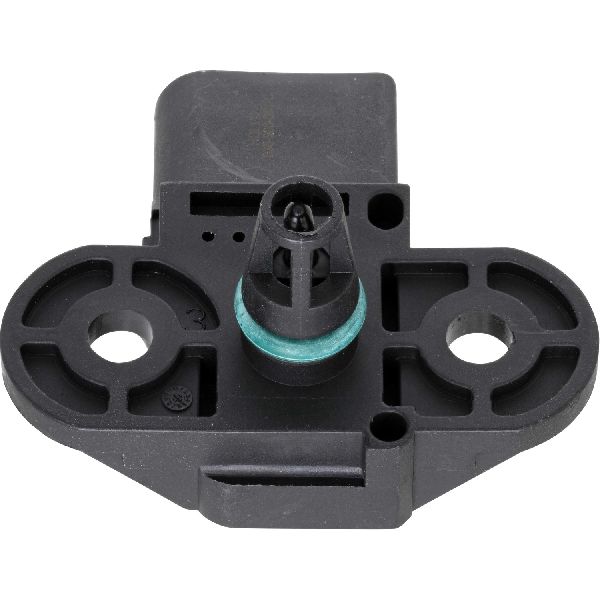
The Manifold Absolute Pressure (MAP) sensor is a small but vital component of your Audi A6's engine management system. It constantly tells the main computer how much load the engine is under. For the popular 2.7T twin-turbo engine, this sensor is even more important, as it directly measures turbo boost, which is key to the engine's power. When it fails, the computer receives bad data, leading to a host of noticeable engine problems.
First, Check for Leaks
Before you replace the sensor, it's crucial to inspect all vacuum hoses connected to the intake manifold. Cracked or loose hoses can cause vacuum leaks that mimic the symptoms of a bad MAP sensor, often triggering the same trouble codes. Also, check the sensor's electrical connector and wiring for any damage, as this is another common point of failure.
Symptoms of a Failing MAP Sensor
A bad MAP sensor can cause a range of issues from annoying to serious. Here are the most common signs that your sensor may need replacement:
- Check Engine Light: This is often the first sign. The ECU will store trouble codes, most commonly P0106 or P0238.
- Poor Engine Performance: Your A6 may feel sluggish, hesitate during acceleration, or have a general lack of power. On 2.7T models, this can feel like the turbos are not working.
- Rough Idle: The engine might shake, run unevenly, or even stall when you're stopped.
- Reduced Fuel Economy: When the sensor fails, the ECU often defaults to a rich fuel mixture to be safe, causing you to use more gas.
- Black Smoke from Exhaust: This is a clear sign of an overly rich fuel mixture, where unburned fuel is exiting through the exhaust.
Choosing the Right Aftermarket MAP Sensor
When replacing a critical sensor on a German vehicle, part quality matters. You have a few options:
- OEM-Supplier (Bosch): The original parts for your Audi were likely made by a company like Bosch. Buying a sensor from the OEM supplier gives you the same quality as the dealer part without the high price tag. This is the most recommended option for reliability.
- Quality Aftermarket (Holstein): Brands like Holstein specialize in producing new parts that are designed to match the fit and function of the original. They offer a significant cost saving compared to OEM parts and can be a reliable, budget-friendly choice. Holstein states they use the same factories as some original manufacturers and provide a 3-year/36k mile warranty.
- Budget Aftermarket: While the lowest-priced options are tempting, they are often a gamble for electronic sensors. Poorly calibrated sensors can fail quickly or not perform correctly, even when new, leading you right back to where you started.
A Note on Turbocharged 2.7T Engines
For the 2.7T V6 engine, the MAP sensor is frequently called the Boost Pressure Sensor. Its failure can lead to low boost, over-boosting, or the car entering a reduced-power "limp mode" to protect the engine. Given its importance to the turbo system, using a high-quality OEM-supplier or reputable aftermarket part is highly advised.
Estimated Replacement Costs
| Part Type | Estimated Cost |
|---|---|
| New OEM (from dealer) | $145 - $240 |
| New OEM-Supplier (e.g., Bosch) | $100 - $150 |
| New Aftermarket (e.g., Holstein) | $65 - $100 |
| Shop Labor | $55 - $80 |
Known Issues: Recalls & Service Bulletins
As of early 2026, there are no specific recalls or Technical Service Bulletins (TSBs) from the National Highway Traffic Safety Administration (NHTSA) for the MAP sensor on the 1998-2004 Audi A6. Failures are generally due to the part's age, contamination from oil vapor, or damage from engine heat cycles over many years.
Frequently Asked Questions (FAQ)
Can I clean my MAP sensor instead of replacing it?
Sometimes, cleaning the sensor can restore its function, especially if it is contaminated with oil from the crankcase ventilation system. You can use a dedicated Mass Airflow Sensor cleaner. However, if the sensor's internal electronics have failed, cleaning will not help and replacement is the only solution.
What is the difference between a MAP sensor and a MAF sensor?
Your Audi A6 has both. The Mass Airflow (MAF) sensor measures the volume and density of air entering the engine, while the Manifold Absolute Pressure (MAP) sensor measures the pressure (or vacuum) inside the intake manifold. On turbo models, the MAP sensor also measures boost pressure. Both sensors help the ECU determine engine load, but they measure different things to do it.
Is replacing the MAP sensor a difficult DIY job?
For most engines in the C5 A6, like the 2.7T, the sensor is accessible after removing the plastic engine covers. It is typically held in by one or two small bolts and has a single electrical connector. This makes it a very feasible DIY job for someone with basic hand tools, often taking less than an hour.
Are there any recalls on the 1998-2004 Audi A6 I should know about?
While there are no recalls for the MAP sensor, this generation of A6 had recalls for other issues, including a wiring defect near the headlight switch that could pose a fire risk and issues with the throttle body in cold weather. It is always a good idea to check if your vehicle has any open recalls.
Technical Specifications
OEM Part Numbers: 036906051C
The sensor for the 1998-2004 Audi A6 is typically a 3 or 4-pin electronic sensor that mounts directly to the intake manifold or a connected hose. It provides a variable voltage signal to the ECU corresponding to manifold pressure changes.
We Have This Part in Stock

The information in this article is provided for general reference and educational purposes only. Vehicle specifications, procedures, and part compatibility can vary by production date, trim level, and region. Always consult your vehicle's factory service manual and verify part numbers before purchasing or performing repairs. Safety-critical components such as airbags, seat belts, and braking systems should be installed by a qualified professional.
- Audi A6:
- 🛍️ Shop This Part
- A Critical Sensor for Your A6 Engine
- First, Check for Leaks
- Symptoms of a Failing MAP Sensor
- Choosing the Right Aftermarket MAP Sensor
- A Note on Turbocharged 2.7T Engines
- Estimated Replacement Costs
- Known Issues: Recalls & Service Bulletins
- Frequently Asked Questions (FAQ)
- 🎟️ Get 5% Off