

Chevrolet Tracker A/C Expansion Valve Replacement Guide (1998-2004)
Is your Tracker's A/C blowing warm? The expansion valve could be the culprit.
- A bad expansion valve on a Tracker typically causes warm or inconsistent A/C, and sometimes frost on vents.
- Replacement is not a simple DIY job because it requires professional refrigerant recovery and recharging equipment.
- When replacing the valve, you must also replace the A/C system's receiver/drier to prevent moisture damage.
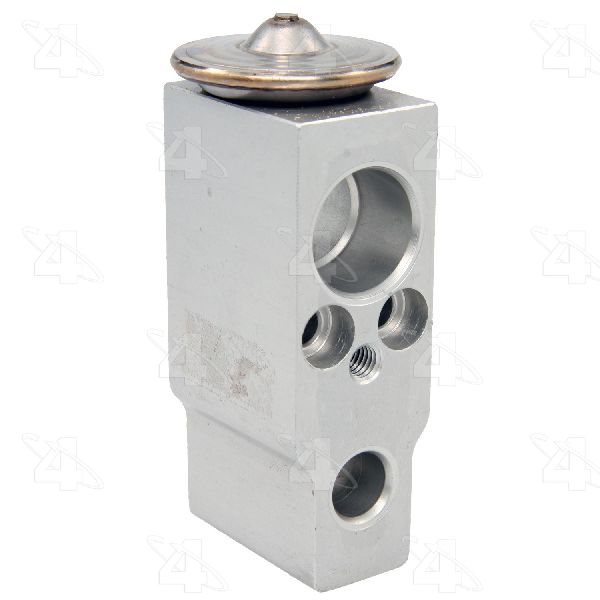
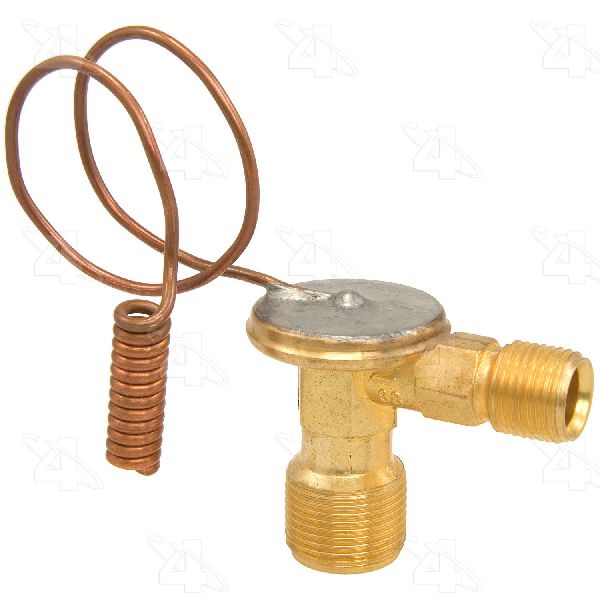
- For this vehicle's age, a new aftermarket part from a standard brand like Four Seasons offers a good mix of reliability and value.
Is Your Tracker's A/C Failing? Signs of a Bad Expansion Valve
When the A/C expansion valve in a 1998-2004 Chevrolet Tracker starts to fail, the symptoms can sometimes be confusing. You might notice one or more of these common issues:
- Warm Air from Vents: This is the most common sign. If the valve is stuck closed, it restricts refrigerant flow; if it's stuck open, it floods the system. Either way, you get warm air.
- Inconsistent Cooling: The air from your vents might switch between cold and warm. This can happen if the valve is struggling to regulate the refrigerant flow properly.
- Frost on Vents or A/C Parts: You might see frost on the outside of the expansion valve itself or even coming from your vents. This happens when the valve lets too much refrigerant through, causing parts of the system to freeze.
- Weak Airflow: A failing expansion valve can lead to reduced cooling capacity, which can feel like weak airflow coming from the vents.
- Hissing Sounds: Unusual hissing or gurgling noises from the dashboard area can point to a pressure imbalance caused by a faulty valve.
Other Possible Causes
Remember, these symptoms can also be caused by other A/C problems like a refrigerant leak, a bad compressor, or electrical issues, which are also common on the Chevrolet Tracker. A proper diagnosis is key before replacing parts.
🎬 Watch: A diagnostic walkthrough for the Chevrolet Tracker A/C system.Choosing the Right Aftermarket Expansion Valve
For a vehicle like the 1998-2004 Tracker, an original equipment (OEM) part may be hard to find or expensive. Aftermarket parts are a practical and affordable choice. The technology in an expansion valve is well-established, and a quality aftermarket part can perform reliably. Your main choices are typically between standard-tier and economy-tier brands.
Brand Quality Tiers
- Standard Aftermarket (Four Seasons): Four Seasons is a large, well-known brand in the A/C parts industry. While some of their remanufactured parts get mixed reviews, their new components, like expansion valves, are generally considered a reliable and safe bet for a daily driver. For the cost, they offer a good balance of quality and value.
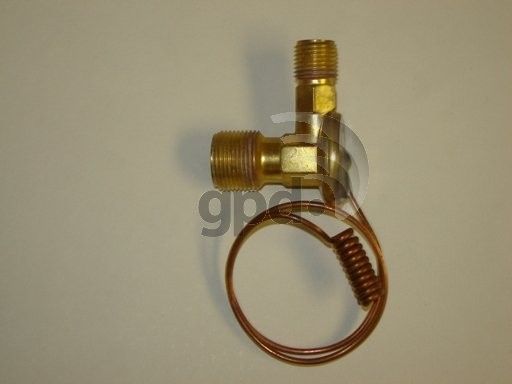
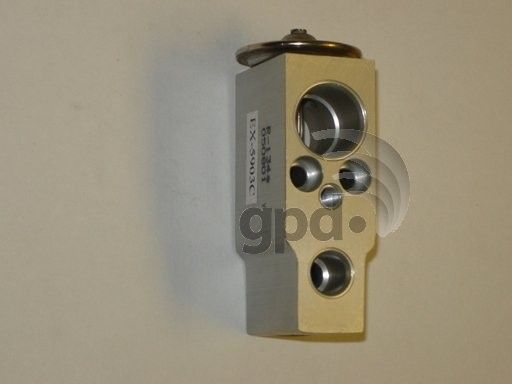
- Economy Aftermarket (Global Parts Distributors - GPD): GPD offers parts at a very low price point. While they can work, owner feedback suggests that quality can be inconsistent, with some experiencing early failures. If budget is your absolute top priority, this is an option, but be aware of the potential for a shorter service life.
Pro Tip: Replace the Receiver/Drier
Anytime you open the A/C system to replace a part like the expansion valve, you MUST also replace the receiver/drier (also called an accumulator). The drier absorbs moisture from the system, and once it's exposed to air, it's saturated and can't be reused. Skipping this step can lead to contamination and quick failure of your new parts.
Cost to Replace a Chevrolet Tracker Expansion Valve
The total cost will depend on your location and the parts you choose. The biggest expense is often the labor, as the job requires special equipment.
| Part/Service | Estimated Cost |
|---|---|
| New Aftermarket Expansion Valve | $25 - $51 |
| Shop Labor (including system evacuation & recharge) | $300 - $500+ |
| Total Estimated Cost | $325 - $551+ |
Frequently Asked Questions
Can I replace the expansion valve myself?
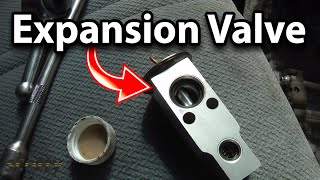
This is not recommended for most DIY mechanics. While unbolting the old valve and installing the new one is straightforward, the A/C system must be professionally evacuated of old refrigerant before you start and then properly recharged with new refrigerant and oil afterward. This requires expensive, specialized equipment. 🎬 See how a professional technician replaces a standard expansion valve. Failure to do this correctly will cause the A/C system to fail.
Where is the expansion valve located on a 1998-2004 Chevrolet Tracker?
According to service manuals, the expansion valve is located on the engine side of the firewall, where the A/C lines connect to the evaporator. You will need to remove a bolt and a plate to access and remove the valve. Some owners have noted the access can be tight.
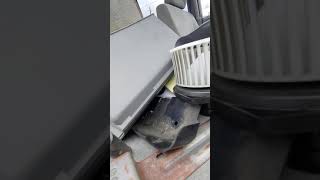
🎬 Watch: Helpful removal notes for accessing the valve in tight spaces.Are there any recalls for the Tracker A/C expansion valve?
No. There are no recalls or common Technical Service Bulletins (TSBs) from Chevrolet or the NHTSA specifically related to the A/C expansion valve for the 1998-2004 Chevrolet Tracker.
Do I need to add oil when replacing the expansion valve?
Yes. A small amount of PAG oil should be used to lubricate the new O-rings before installation to ensure a proper seal. The technician recharging the system will also add the correct total amount of oil for the entire A/C system.
Helpful Videos
Technical Specifications
OEM Part Numbers: 91176918
Block Type; Refrigerant R134a
We Have This Part in Stock

The information in this article is provided for general reference and educational purposes only. Vehicle specifications, procedures, and part compatibility can vary by production date, trim level, and region. Always consult your vehicle's factory service manual and verify part numbers before purchasing or performing repairs. Safety-critical components such as airbags, seat belts, and braking systems should be installed by a qualified professional.
- Chevrolet Tracker:
- 🎬 Helpful Videos
- 🛍️ Shop This Part
- Is Your Tracker's A/C Failing? Signs of a Bad Expansion Valve
- Other Possible Causes
- Choosing the Right Aftermarket Expansion Valve
- Brand Quality Tiers
- Pro Tip: Replace the Receiver/Drier
- Cost to Replace a Chevrolet Tracker Expansion Valve
- Frequently Asked Questions
- 🎟️ Get 5% Off