

Accessory Drive Belt Guide for the 1998-2004 Chevrolet Tracker
Everything a Tracker owner needs to know about replacing a worn or broken accessory drive belt.
- You must confirm your engine size (1.6L, 2.0L, or 2.5L V6) before ordering, as they use different belts and systems.
- Squealing noises are a common first sign of failure, but you should also inspect for cracks and fraying.
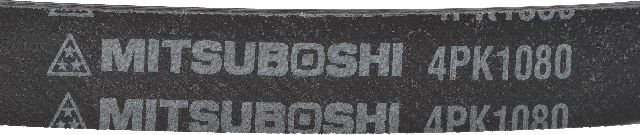
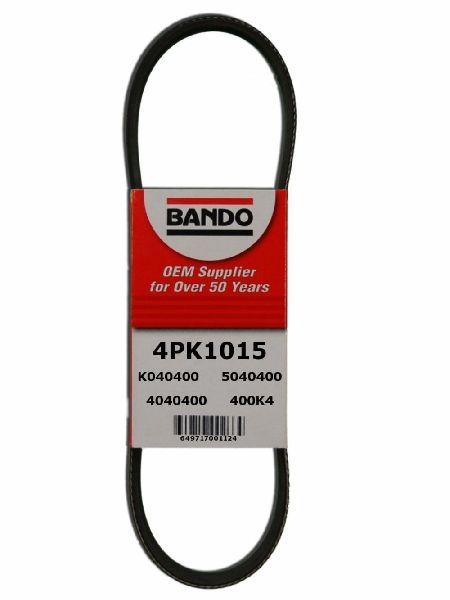
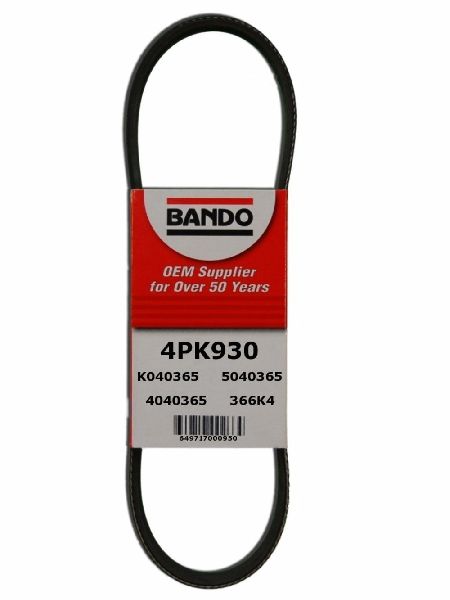
- High-quality aftermarket brands like Bando, Mitsuboshi, and ACDelco are excellent, reliable choices for the Tracker.
- If the belt breaks, pull over immediately to prevent engine damage from overheating.
Understanding Your Tracker's Accessory Belt System
The accessory drive belt, often called a serpentine belt, is a critical wear-and-tear component on your 1998-2004 Chevrolet Tracker. It's responsible for powering several vital parts of your vehicle. Without it, you'll lose power steering, your battery will stop charging, your A/C won't work, and most importantly, the engine can quickly overheat if the water pump is belt-driven. Because the Chevrolet Tracker is a rebadged Suzuki Vitara/Grand Vitara, many parts and procedures are identical between the two vehicles.
Important: Check Your Engine Before Ordering
The 1998-2004 Chevrolet Tracker was sold with different engines, primarily the 1.6L 4-cylinder, 2.0L 4-cylinder, and a 2.5L V6. These engines use different belt systems. The 2.0L engine uses a single serpentine belt with an automatic tensioner, while the 2.5L V6 uses a more complex system with two separate belts and manual adjustments. Always confirm your engine size before purchasing a new belt to avoid getting the wrong part.
Signs of a Failing Accessory Drive Belt
A drive belt will give you warning signs before it fails completely. Ignoring these can leave you stranded. Here’s what to look and listen for:
- Squealing or Chirping Noises: This is the most common symptom. A high-pitched squeal, especially when you start the engine or turn on the A/C, usually means the belt is slipping due to wear or a bad tensioner.
- Visible Damage: A visual inspection can tell you a lot. Look for cracks, frayed edges, missing chunks of the ribs, or a smooth, shiny glaze on the belt's surface. Any of these mean it's time for a replacement.
- Accessory Problems: If your power steering suddenly feels heavy, your air conditioning isn't blowing cold, or the battery warning light comes on, the belt may be slipping and failing to properly power those components.
- Engine Overheating: If your temperature gauge starts climbing into the red, it could be because a failing belt isn't turning the water pump. Pull over immediately to prevent catastrophic engine damage.
Choosing the Right Aftermarket Drive Belt
For a vehicle like the 1998-2004 Tracker, high-quality aftermarket belts offer the same, if not better, performance than an original equipment (OEM) part, but at a better price. Since the Tracker is based on a Suzuki, brands that are OEM suppliers for Japanese vehicles are excellent choices.
| Brand Tier | Brands | Quality & Performance Assessment |
|---|---|---|
| Premium Aftermarket / OEM Supplier | Bando, Mitsuboshi | Both Bando and Mitsuboshi are Japanese manufacturers known for being original equipment suppliers to automakers like Honda and Suzuki. Their quality is considered top-tier and identical to the original part that came on your Tracker. You can choose either with full confidence. |
| Premium Aftermarket | ACDelco | ACDelco is General Motors' own parts brand. Their belts are made from high-quality EPDM rubber designed for durability and quiet operation. While not the original supplier for the Suzuki-built engine, ACDelco is a highly trusted and reliable choice for any GM vehicle, including the Tracker. |
Pro Tip: Inspect the Tensioner and Pulleys
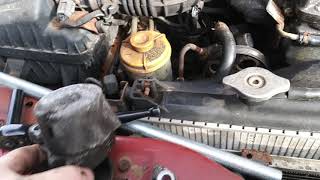
Often, a squealing noise is blamed on the belt when the real culprit is a worn-out belt tensioner or idler pulley. 🎬 Watch: How to fix a squealing belt and replace the tensioner. These parts keep the belt tight. With the old belt removed, spin each pulley by hand. If you feel any roughness, wobbling, or hear a grinding noise, it should be replaced along with the belt to protect your new part and prevent future problems.
Estimated Replacement Costs
The accessory drive belt is a relatively inexpensive part, and labor costs are reasonable as it's a straightforward job for a mechanic.
🎬 Watch this video to see how simple a DIY belt replacement is.| Part or Service | Estimated Cost |
|---|---|
| New Aftermarket Belt | $13.67 - $40.25 |
| Shop Labor | $75 - $150 |
| Total Installed Cost | $89 - $190 |
Frequently Asked Questions
How often should I replace my Tracker's accessory belt?
There is no strict interval, but a good rule of thumb is to inspect the belt at every oil change and plan for replacement every 60,000 to 90,000 miles. However, if it shows any signs of cracking, fraying, or glazing, it should be replaced immediately, regardless of mileage.
Can I replace the accessory belt myself?
Yes, this is a very DIY-friendly job for most owners. On the 2.0L engine, you'll need a 14mm or 15mm wrench or a breaker bar to release the automatic tensioner. The 2.5L V6 is more complex as it involves manually loosening and tightening pulleys to set tension on two separate belts. 🎬 See this walkthrough for replacing belts on the 2.5L V6 engine. Always take a picture or draw a diagram of the belt routing before you begin.
What happens if the belt breaks while I'm driving?
You will immediately lose power steering, making the wheel very difficult to turn. The alternator will stop charging, and your battery light will illuminate. Most importantly, the engine will begin to overheat very quickly. You should pull over to a safe location and shut off the engine as soon as possible to avoid severe damage.
Were there any recalls for the Tracker's drive belt?
No. A search of the National Highway Traffic Safety Administration (NHTSA) database found no recalls or major technical service bulletins (TSBs) related to the accessory drive belts for the 1998-2004 Chevrolet Tracker.
Helpful Videos
Technical Specifications
OEM Part Numbers: 30016435 30021607 30026873 91174492
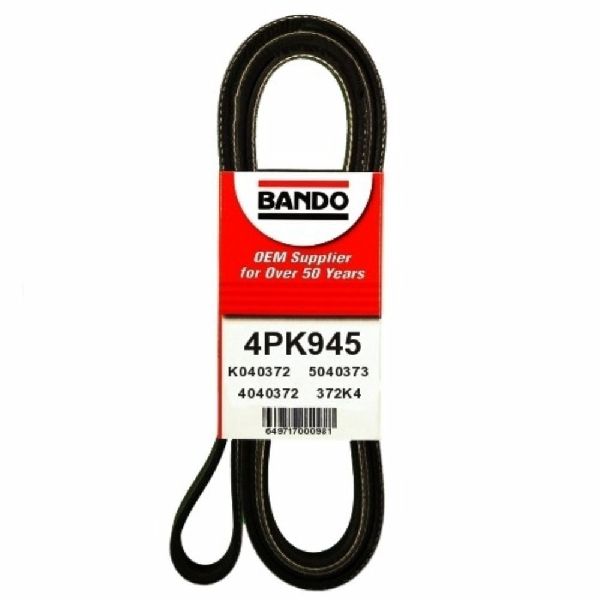
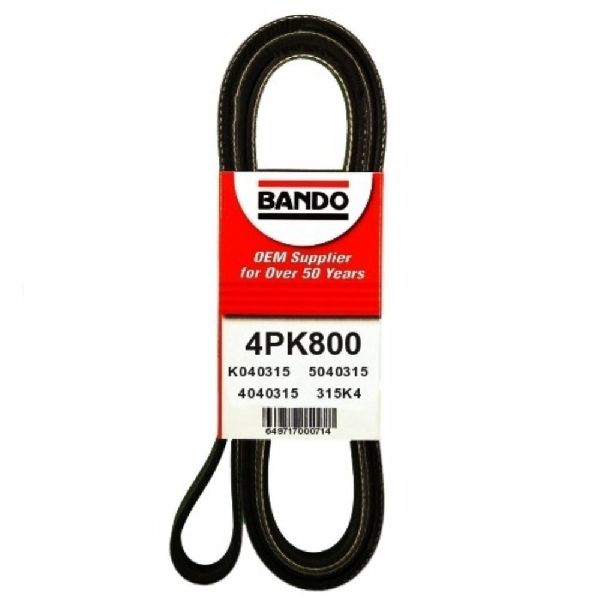
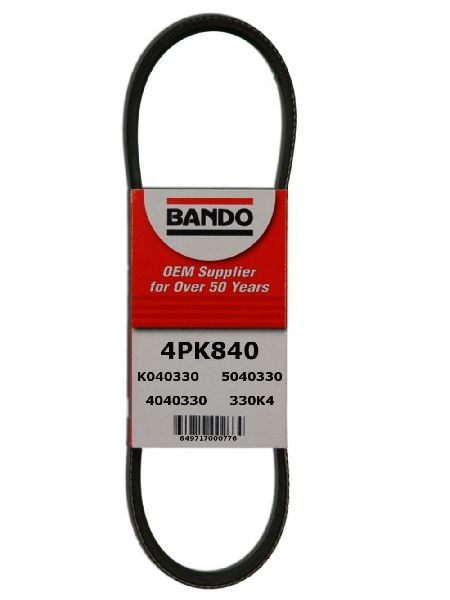
The 1998-2004 Tracker uses a multi-groove (serpentine) belt made of EPDM rubber. The length and number of ribs vary by engine (1.6L, 2.0L, 2.5L V6) and whether the vehicle is equipped with air conditioning. The 2.0L uses a single belt with an automatic tensioner, while the 2.5L V6 uses two separate belts with a manual tensioner system.
We Have This Part in Stock

The information in this article is provided for general reference and educational purposes only. Vehicle specifications, procedures, and part compatibility can vary by production date, trim level, and region. Always consult your vehicle's factory service manual and verify part numbers before purchasing or performing repairs. Safety-critical components such as airbags, seat belts, and braking systems should be installed by a qualified professional.
- Chevrolet Tracker:
- 🎬 Helpful Videos
- 🛍️ Shop This Part
- Understanding Your Tracker's Accessory Belt System
- Important: Check Your Engine Before Ordering
- Signs of a Failing Accessory Drive Belt
- Choosing the Right Aftermarket Drive Belt
- Pro Tip: Inspect the Tensioner and Pulleys
- Estimated Replacement Costs
- Frequently Asked Questions
- 🎟️ Get 5% Off