

Chevrolet Tracker Fuel Injector Guide: Symptoms, Replacement, and Aftermarket Choices (1998-2004)
Is your Tracker running rough, misfiring, or losing power? It might be time for new fuel injectors.
- You must verify your Tracker's engine size (1.6L, 2.0L, or 2.5L V6) before ordering, as injectors are not interchangeable.
- Common symptoms of failure include a rough idle, engine misfires (P030x codes), and poor gas mileage.
- For high-mileage vehicles, it is best practice to replace all fuel injectors as a set to ensure balanced performance.
- No specific fuel injector recalls exist for the 1998-2004 Tracker; failures are due to age and wear.
Is Your Tracker's Fuel Injector Failing?
A bad fuel injector can cause a range of noticeable problems. Because the injector controls fuel delivery, a failure can make your engine run too rich (too much fuel) or too lean (not enough fuel). This imbalance disrupts the engine's performance and can lead to more serious issues if ignored.
Common Failure Symptoms
- Check Engine Light: This is often the first sign. The computer may store codes for an engine misfire (P0300-P0306) or a specific injector circuit fault.
- Engine Misfires and Rough Idle: You may feel the engine shaking or sputtering, especially when stopped at a light. This happens when a cylinder isn't firing correctly due to improper fueling.
- Poor Fuel Economy: If an injector is stuck open or leaking, it dumps excess fuel into the engine, causing you to visit the gas station more often.
- Hard Starting: A leaky injector can flood a cylinder when the engine is off, making it difficult to start when warm. Conversely, a clogged injector can starve the engine of fuel, making any start difficult.
- Loss of Power: When your engine isn't getting the right amount of fuel, it can't produce the power you expect. You'll notice hesitation or a general lack of acceleration.
Known Issues, Recalls, or TSBs
For the 1998-2004 Chevrolet Tracker, there are no major recalls or Technical Service Bulletins (TSBs) issued by the NHTSA specifically for fuel injector failure. Any issues you experience are typically due to normal wear and tear from age, mileage, or fuel contaminants.
Choosing the Right Aftermarket Fuel Injector
When shopping for a new fuel injector for your Tracker, you have several options. Since OEM parts can be expensive, many owners turn to the aftermarket. Here’s a breakdown of the available tiers to help you decide.
Good: Budget Replacement Brands
These are typically new, unbranded, or store-brand parts. "Replacement" is a common name in this category. They are the most affordable option and can be a quick fix to get your Tracker back on the road. However, quality can be inconsistent. They are a viable choice for a vehicle on a tight budget, but may not have the same longevity or precise flow-matching as higher-tier options.
Better: Remanufactured OEM (GBR Fuel Injection)
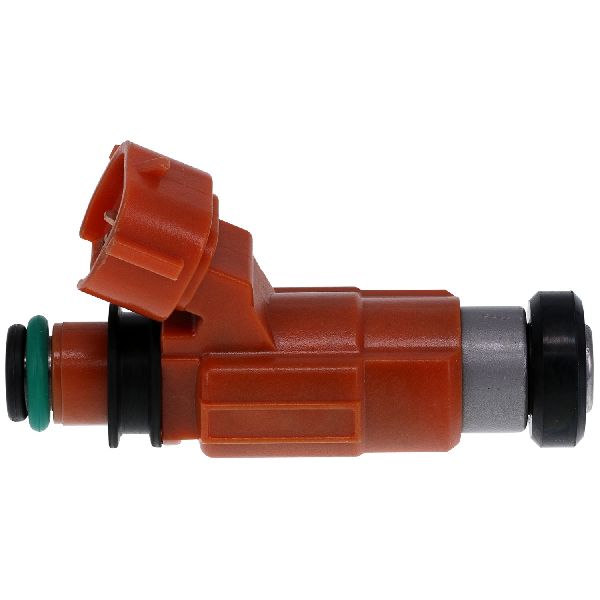
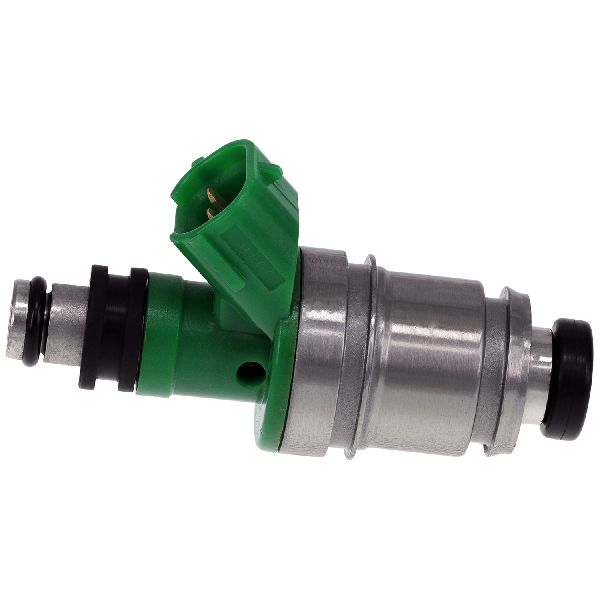
Brands like GBR Fuel Injection specialize in remanufacturing original equipment (OEM) injectors. They take used OEM injectors, test them, replace all wearable components like O-rings, seals, and internal filters, and ensure they meet original performance specifications. This gives you the proven design and quality of an OEM part at a lower cost. For many owners of older vehicles, this is the best balance of price and reliability.
Best: Premium New Aftermarket (Standard Ignition)
Standard Motor Products (SMP), known by their brand name "Standard," is a long-standing manufacturer of fuel and ignition parts. They engineer their new fuel injectors to meet or exceed OE specifications for spray pattern, flow rate, and durability. While they cost more than remanufactured or budget options, you are getting a brand-new part from a reputable company known for quality control. This is the top choice for owners who want the longest-lasting repair with a new component.
A Note on Engine Size
The 1998-2004 Tracker was available with a 1.6L 4-cylinder, 2.0L 4-cylinder, and a 2.5L V6 engine. Fuel injectors are NOT interchangeable between these engines. Always verify your engine size before ordering to ensure you get the correct part.
Estimated Costs for Fuel Injector Replacement
| Part / Service | Estimated Cost |
|---|---|
| New Aftermarket Injector (Single) | $37 - $110 |
| New Aftermarket Injectors (Set of 4/6) | $140 - $442 |
| Shop Labor (4-cyl) | $150 - $300 |
| Shop Labor (V6) | $250 - $500+ |
Cost estimates are approximate and will vary based on your location, choice of parts, and your vehicle's specific engine. The V6 engine is more difficult and time-consuming.
Frequently Asked Questions (FAQ)
Should I replace one fuel injector or the whole set?
If one injector has failed due to high mileage, the others are likely not far behind. While you can replace just the single failed injector to save money upfront, it is highly recommended to replace them all as a set. This ensures all cylinders are getting the same amount of fuel, leading to a smoother running engine and preventing future failures.
Do I need to replace the O-rings and seals?
Yes, absolutely. New fuel injectors should come with new O-rings and seals. You must replace these small rubber parts to prevent dangerous fuel leaks at the fuel rail and intake manifold. Never reuse old O-rings.
Can I clean my old injectors instead of replacing them?
While professional ultrasonic cleaning can restore clogged injectors, it cannot fix an injector that has failed electrically or is leaking. Given the affordable cost of aftermarket injectors for the Tracker, replacement is often a more reliable and time-effective solution than trying to service old parts.
How do I know if I have the 1.6L, 2.0L, or 2.5L engine?
The easiest way is to check the emissions sticker under the hood, which lists the engine displacement in liters. The 1.6L and 2.0L are 4-cylinder engines, while the 2.5L is a V6, which is visually much wider. The V6 was introduced for the 2001 model year.
Technical Specifications
OEM Part Numbers: 1571065D00 1571066D00 1571067D00
Fitment is specific to engine size: 1.6L I4, 2.0L I4, or 2.5L V6. All are multi-port fuel injectors (MPI). Always confirm part numbers against your specific VIN and engine.
We Have This Part in Stock


The information in this article is provided for general reference and educational purposes only. Vehicle specifications, procedures, and part compatibility can vary by production date, trim level, and region. Always consult your vehicle's factory service manual and verify part numbers before purchasing or performing repairs. Safety-critical components such as airbags, seat belts, and braking systems should be installed by a qualified professional.
- Chevrolet Tracker:
- 🛍️ Shop This Part
- Is Your Tracker's Fuel Injector Failing?
- Common Failure Symptoms
- Known Issues, Recalls, or TSBs
- Choosing the Right Aftermarket Fuel Injector
- Good: Budget Replacement Brands
- Better: Remanufactured OEM (GBR Fuel Injection)
- Best: Premium New Aftermarket (Standard Ignition)
- A Note on Engine Size
- Estimated Costs for Fuel Injector Replacement
- Frequently Asked Questions (FAQ)
- 🎟️ Get 5% Off