

Chevrolet Tracker Oxygen Sensor Guide for 1998-2004 Models
Everything you need to know about replacing the oxygen sensors on your 1998-2004 Chevrolet Tracker.
- Verify your engine size (1.6L, 2.0L, or 2.5L V6) before ordering to get the correct part.
- Choose a 'Direct-Fit' sensor to avoid wiring complications; brands like Denso and NGK/NTK are highly recommended for reliability.
- A P0420 code can be caused by a bad downstream O2 sensor, which is a much cheaper fix than a new catalytic converter.
- Replacing a sensor is a DIY-friendly job, but using a special O2 sensor socket is strongly advised.
Understanding Oxygen Sensor Failures in Your Tracker
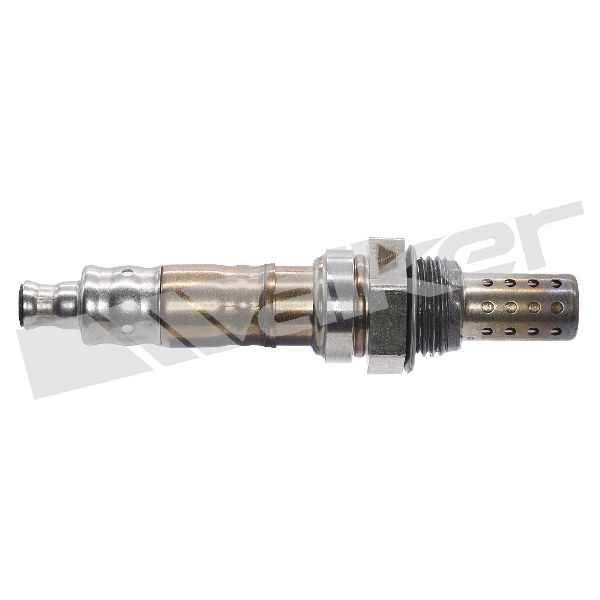
The oxygen sensors on your 1998-2004 Chevrolet Tracker are wear-and-tear items. Over time, they can become contaminated by oil ash or simply fail from age and constant exposure to hot exhaust gases. When a sensor fails, it can no longer send accurate information to your engine's computer, leading to a variety of performance issues. The most common sign is the Check Engine Light, but you might also notice poor fuel economy, a rough idle, or a rotten egg smell from the exhaust.
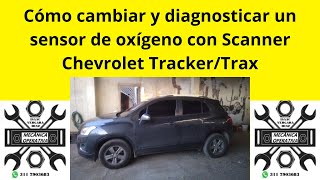
🎬 Watch: How to diagnose and change a Tracker oxygen sensor.Don't Ignore a Bad O2 Sensor
While you can usually drive with a bad O2 sensor, it's not recommended for long. An engine running too rich can overheat and damage the catalytic converter, a much more expensive repair. It's best to replace a faulty sensor as soon as possible to restore fuel economy and prevent further damage.
Choosing the Right Aftermarket Oxygen Sensor
Since the Chevrolet Tracker is based on a Suzuki design, many owners find that Japanese brands provide the best performance and reliability. When shopping for a replacement, you have several good options across different price points.
Always choose a "Direct-Fit" sensor. These come with the correct electrical connector for your Tracker, eliminating the need for cutting and splicing wires. A "Universal" sensor is cheaper but requires wiring work that can be a point of failure if not done perfectly.
Brand Quality Tiers
- Top Tier (OEM Quality): Brands like Denso and NGK (also sold as NTK) are often the original equipment manufacturers for Japanese vehicles. They are widely regarded by mechanics and owners as the most reliable and long-lasting aftermarket choice, providing performance identical to the factory part.
- Reliable Aftermarket: Bosch is another excellent choice. They invented the modern oxygen sensor and have a strong reputation for quality and performance in the aftermarket. Delphi is also a well-known brand with a history of supplying parts to GM.
- Budget-Friendly: Brands like Spectra, Walker Products, and DriveWire offer a more affordable solution. While they can perform adequately, they may not have the same longevity or precise calibration as the top-tier brands. They can be a good option if you're on a tight budget, but for long-term peace of mind, a premium brand is often worth the extra cost.
| Quality Tier | Common Brands | Estimated Price Range (per sensor) |
|---|---|---|
| Top Tier | Denso, NGK/NTK | $80 - $190 |
| Reliable Aftermarket | Bosch, Delphi | $50 - $125 |
| Budget | Spectra, Walker, DriveWire | $25 - $65 |
Known Issues, Recalls, and TSBs
A search of National Highway Traffic Safety Administration (NHTSA) records did not reveal any specific recalls or technical service bulletins (TSBs) for oxygen sensors on the 1998-2004 Chevrolet Tracker. Failures are generally due to normal wear and tear.
A Note on P0420
If your check engine light is on and you have a P0420 code ("Catalyst System Efficiency Below Threshold"), don't automatically replace the catalytic converter. This code can be triggered by a failing downstream (post-catalyst) oxygen sensor that is no longer accurately monitoring the converter. It's often wise to replace the O2 sensor first, as it's a much cheaper part.
🎬 See this video for P0420 code causes and solutions.Frequently Asked Questions (FAQ)
How many oxygen sensors does my Tracker have?
It depends on your engine. Four-cylinder models (1.6L and 2.0L) typically have two sensors: one upstream (before the catalytic converter) and one downstream (after the catalytic converter). The V6 model (2.5L) has four sensors: two upstream and two downstream, one pair for each engine bank.
What's the difference between an upstream and downstream sensor?
The upstream sensor (Bank 1, Sensor 1) is the most critical. It reads the raw exhaust from the engine and provides the main feedback for adjusting the air/fuel mixture. The downstream sensor (Bank 1, Sensor 2) primarily monitors the efficiency of the catalytic converter. They are not interchangeable.
Can I replace just one sensor?
Yes. You only need to replace the sensor that has failed. However, oxygen sensors are wear items. If one has failed and your vehicle has high mileage, the others may not be far behind. Some owners choose to replace them in pairs (e.g., both upstream sensors on a V6) for preventative maintenance.
Do I need a special tool to replace an oxygen sensor?
Yes, it's highly recommended. An oxygen sensor socket is a special deep socket with a slit down the side to accommodate the sensor's wire. Using one will make the job much easier and prevent damage to the new sensor's wiring. They are inexpensive and available at any auto parts store.
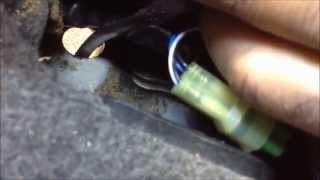
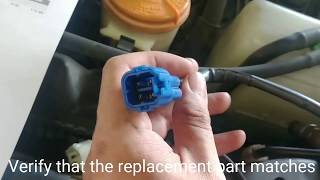
🎬 Watch this walkthrough on how to replace an oxygen sensor.Helpful Videos

Technical Specifications
OEM Part Numbers: 30028571 1821367D30 1821365G00 250-24372
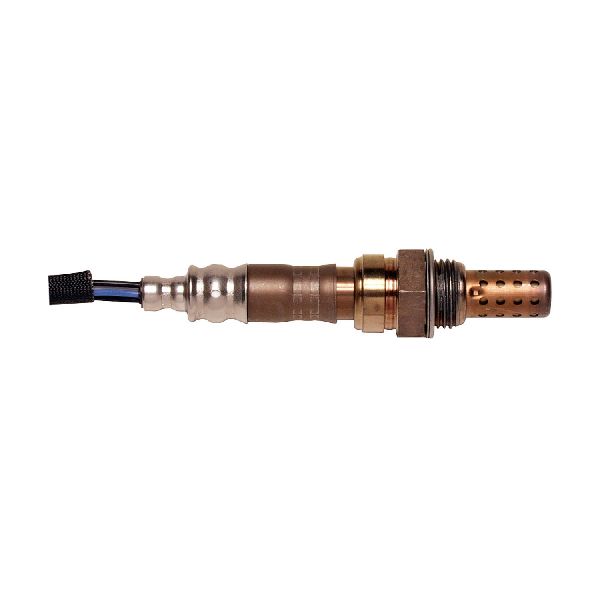
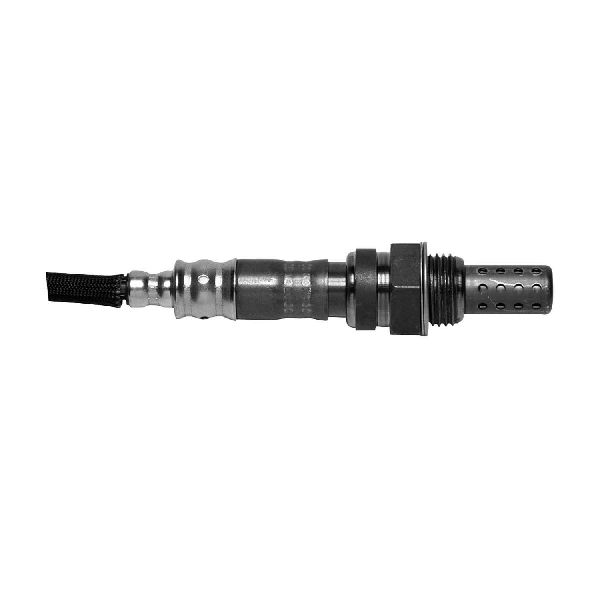
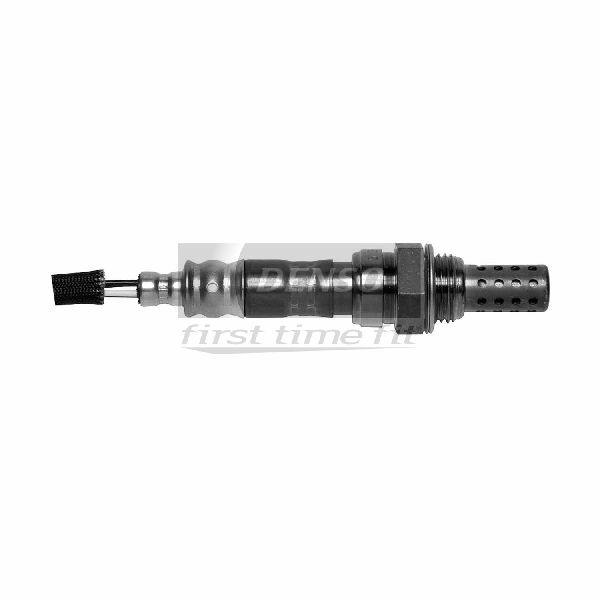
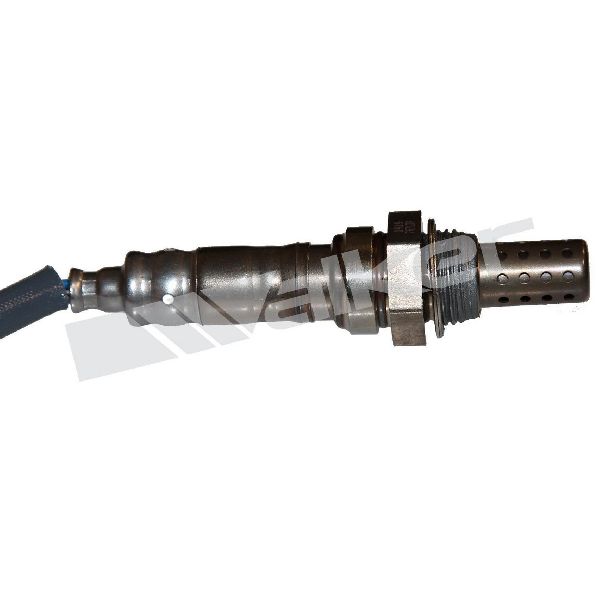
Sensors are specific to engine size (1.6L I4, 2.0L I4, 2.5L V6) and position (Upstream/Downstream, Left/Right for V6). All are heated 4-wire sensors. Direct-fit connectors are recommended.
We Have This Part in Stock


The information in this article is provided for general reference and educational purposes only. Vehicle specifications, procedures, and part compatibility can vary by production date, trim level, and region. Always consult your vehicle's factory service manual and verify part numbers before purchasing or performing repairs. Safety-critical components such as airbags, seat belts, and braking systems should be installed by a qualified professional.
- Chevrolet Tracker: