

Chevrolet Tracker Radiator Coolant Hose Guide (1998-2004)
Keep your Tracker's engine from overheating by knowing when and how to replace your radiator hoses.
- Hose failure is a leading cause of overheating. Signs include leaks, bulging hoses, and a rising temp gauge.
- For this vehicle, loose hose clamps are a very common leak source; check tightness before replacing parts.
- Gates and Continental are top-tier aftermarket brands known for good fit; Dayco is also reliable but check fitment carefully.
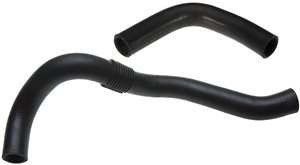
- Always replace hoses in pairs (upper and lower) and use new clamps to ensure a leak-free repair.
Signs of a Failing Radiator Hose
On a 1998-2004 Chevrolet Tracker, radiator hoses fail due to age, heat, and pressure. Look for these clear warning signs before a small leak becomes a major breakdown.
- Coolant Leaks: The most obvious sign. You might see puddles of green or orange fluid under the front of your Tracker. Leaks often start at the connection points to the radiator or engine.
- Visible Damage: Inspect your hoses. Cracks, splits, or bulging/swollen spots mean the hose is weak and could burst. A hose that feels overly soft and spongy or hard and brittle needs to be replaced.
- Engine Overheating: If your Tracker's temperature gauge climbs into the red, a failing hose could be the cause. A collapsed or internally degraded hose can restrict coolant flow, leading to overheating.
- Steam from Engine: White steam or smoke coming from under the hood is a sign that leaking coolant is hitting hot engine parts and evaporating. Pull over immediately if you see this.
Check Hose Connections First
For Chevrolet Trackers, a common source of coolant leaks is simply a loose hose clamp. Before assuming the hose itself is bad, check that the clamps at both ends are tight. If you see crusty residue around the clamp, it's a sign of a slow leak.
Choosing the Right Aftermarket Hose
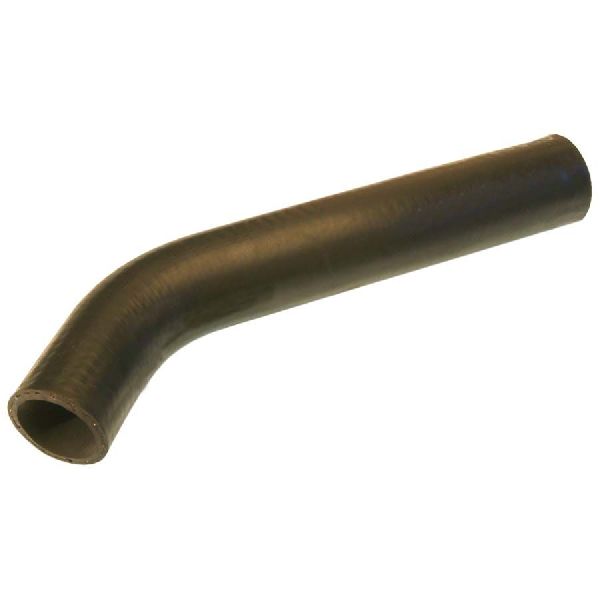
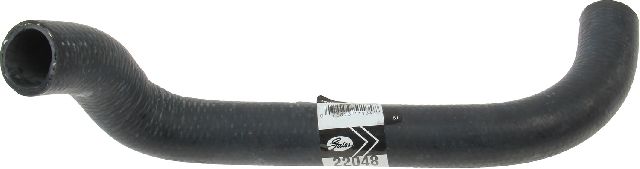
For a vehicle like the 1998-2004 Tracker, a quality aftermarket hose offers excellent value. The original hoses have served their time, and modern aftermarket options are built to resist issues like electrochemical degradation (ECD), a common cause of internal hose failure. Here’s a look at the available brands.
Brand Tiers
- Premium Aftermarket (Gates, Continental): Gates is widely regarded as a top-tier aftermarket brand, often praised for having excellent fitment that matches the original part. They are sometimes the manufacturer for OEM parts. Continental (ContiTech) is also considered a high-quality, reliable choice. You can't go wrong with either of these brands for a dependable repair.
- Standard Aftermarket (Dayco): Dayco is a well-known brand that produces quality hoses. However, some mechanics and DIYers have reported occasional issues with fitment, where the bends aren't a perfect match to the original hose, which can complicate installation. While generally reliable, it's worth comparing the shape to your old hose before installing.
Pro Tip: Replace in Pairs and Get New Clamps
It is highly recommended to replace both the upper and lower radiator hoses at the same time. If one has failed due to age, the other is likely not far behind. Also, always use new hose clamps. The old spring clamps can lose tension over time, leading to leaks.
Cost of Replacing a Radiator Hose (1998-2004 Chevrolet Tracker)
| Part/Service | Estimated Cost |
|---|---|
| New Aftermarket Hose (Single) | $21 - $43 |
| Shop Labor | $90 - $150 |
| DIY Total (Parts for Upper & Lower) | $42 - $85 |
| Shop Total (Parts & Labor) | $132 - $235 |
Costs are estimates and can vary based on location, brand, and vehicle specifics.
Frequently Asked Questions (FAQ)
Can I drive my Tracker with a leaking radiator hose?
No. A leaking radiator hose will lead to coolant loss, causing the engine to overheat. Driving with an overheated engine can result in severe and expensive damage, such as a warped cylinder head or a blown head gasket.
Are there any recalls on the 1998-2004 Tracker for radiator hoses?
No, there are no specific recalls or technical service bulletins (TSBs) from Chevrolet or NHTSA for radiator hose failures on the 1998-2004 Tracker.
Should I replace the thermostat when I replace the hoses?
Yes, it's a great idea. The thermostat is an inexpensive part that is often easily accessible when you are already working on the cooling system. Replacing it along with the hoses is smart preventative maintenance.
What type of coolant should I use for my 1998-2004 Chevrolet Tracker?
Your Tracker likely came from the factory with GM's orange-colored Dex-Cool coolant. However, after a full flush, many owners opt for a universal yellow or green ethylene glycol-based coolant. Always use a 50/50 mix with distilled water. Check your owner's manual to be certain.
Is replacing a radiator hose a good DIY job?
Yes, for most home mechanics, this is a very manageable job. It requires basic hand tools, a drain pan, and about one to two hours. The process involves draining the radiator, removing the old clamps and hose, and installing the new parts.
Technical Specifications
OEM Part Numbers: 96058063
Material: EPDM Rubber. Meets or exceeds SAE J20R4 specifications.
We Have This Part in Stock

The information in this article is provided for general reference and educational purposes only. Vehicle specifications, procedures, and part compatibility can vary by production date, trim level, and region. Always consult your vehicle's factory service manual and verify part numbers before purchasing or performing repairs. Safety-critical components such as airbags, seat belts, and braking systems should be installed by a qualified professional.
- Chevrolet Tracker: