

Chrysler 300M Engine Coolant Temperature Sensor Guide for 1998-2004 Models
Solve overheating, poor fuel economy, and Check Engine Light issues on your 3.5L V6 by understanding and replacing this critical sensor.
- A failing ECT sensor directly impacts fuel mixture, cooling fan operation, and performance on your 300M.
- Symptoms like overheating, poor MPG, and an erratic temp gauge often point to this sensor.
- Replacement is a simple DIY task for most owners, located near the thermostat housing.
- For best results, choose an OEM (Mopar) or premium aftermarket brand like Delphi or NGK to ensure accurate readings.
Is Your 300M's Coolant Temp Sensor Failing?
A bad Engine Coolant Temperature (ECT) sensor can cause a surprising number of problems with your 3.5L engine. Because the engine's computer relies on it for so many calculations, a false signal can make your car run poorly. You might notice one or more symptoms that seem unrelated, but they can often be traced back to this single part.
Common Symptoms of Failure
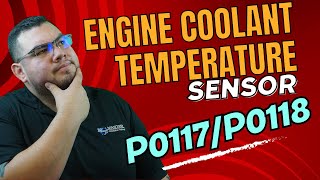
- Check Engine Light: This is often the first sign. The computer will store a trouble code, most commonly P0117 (signal too low) or P0118 (signal too high). 🎬 Watch: A detailed diagnosis of P0117 and P0118 codes.
- Engine Overheating: If the sensor doesn't tell the computer the engine is hot, the cooling fans may not turn on when they should.
- Cooling Fans Run Constantly: The system may default to running the fans all the time to prevent damage, even when the engine is cold.
- Poor Fuel Economy: A sensor stuck reading "cold" will cause the computer to inject too much fuel, wasting gas.
- Erratic Temperature Gauge: The gauge on your dashboard might stay on cold, jump to hot, or give fluctuating readings.
- Rough Idle and Sluggish Performance: The wrong fuel mixture can cause your engine to idle poorly, hesitate, or feel weak during acceleration.
- Black Smoke from Exhaust: In severe cases, a very rich fuel mixture can lead to black smoke from the tailpipe as unburned fuel exits the engine.
Air in the System Can Mimic a Bad Sensor
The cooling system on the 300M's 3.5L engine can be tricky to bleed properly. If air gets trapped in the system after a repair, it can cause the temperature gauge to spike and create overheating conditions, especially when driving uphill. Before replacing the sensor, ensure your cooling system has been properly bled by a qualified mechanic.
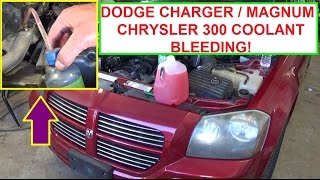
🎬 See this guide on how to bleed the cooling system.Choosing the Right Aftermarket Sensor
For a critical electronic part like the ECT sensor, brand quality matters. While many budget-friendly options exist, a poor-quality sensor can send inaccurate readings, fail quickly, and leave you with the same problems. It's often best to choose between OEM or high-quality aftermarket brands.
- Tier 1 (OEM & Premium Aftermarket): Mopar (the original factory part), Delphi, and NGK/NTK are top choices. These brands are known for precise calibration that matches the factory specifications your engine's computer expects. This is the safest choice for reliability and performance.
- Tier 2 (Standard Aftermarket): Brands like Standard Ignition (SMP), Walker Products, and Four Seasons offer a good balance of value and quality. They are reliable replacements for a daily driver.
- Tier 3 (Value Brands): The lowest-priced options can be a gamble. While they may work initially, their internal electronics may not be as robust or accurately calibrated, potentially leading to premature failure or persistent performance issues.
Pro Tip: When replacing the sensor, it's a good idea to have a little fresh coolant on hand. You will lose a small amount when you unscrew the old sensor, and you'll need to top off the system afterward.
Cost to Replace the Engine Coolant Temperature Sensor
| Part Type | Part Cost | Shop Labor Cost | Total Estimated Cost |
|---|---|---|---|
| New OEM (Mopar) | $40 - $80 | $75 - $110 | $115 - $190 |
| New Aftermarket | $13 - $118 | $75 - $110 | $88 - $228 |
Cost estimates are approximate and can vary based on your location and the specific repair shop. The aftermarket part price reflects the wide range from value to premium brands.
Frequently Asked Questions (FAQ)
Where is the ECT sensor located on a 1998-2004 Chrysler 300M?
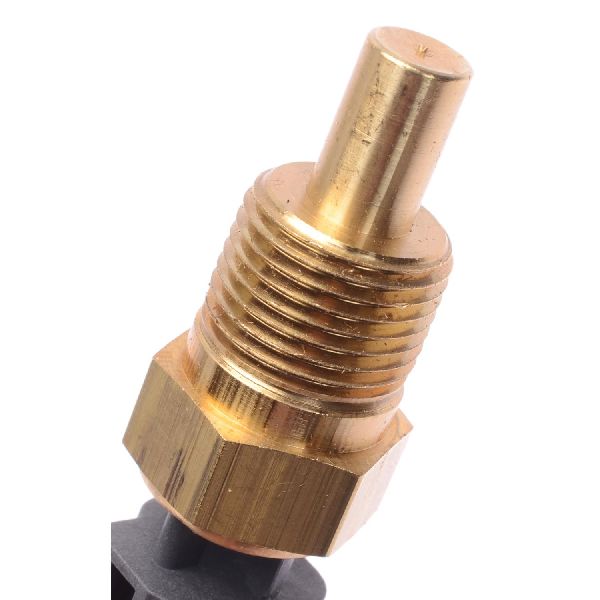
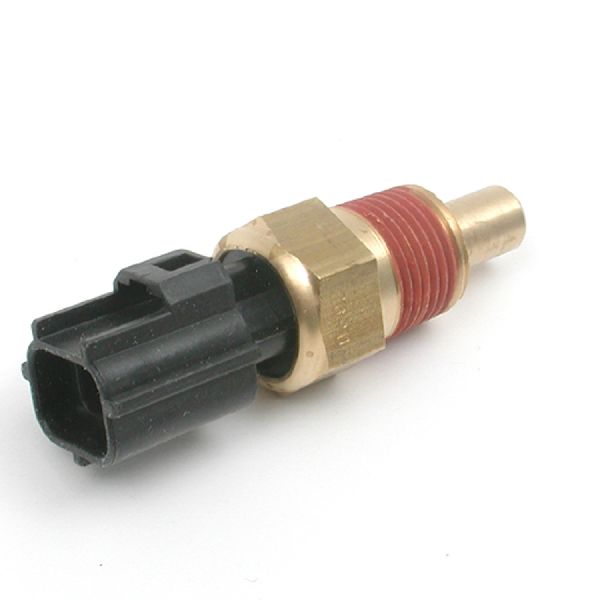
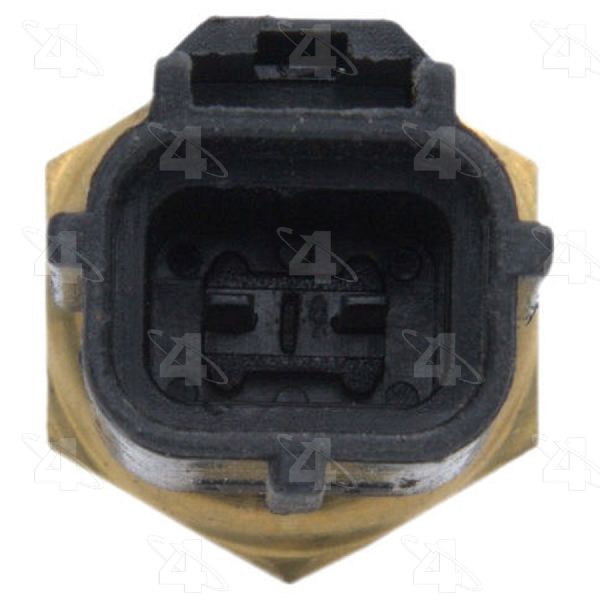
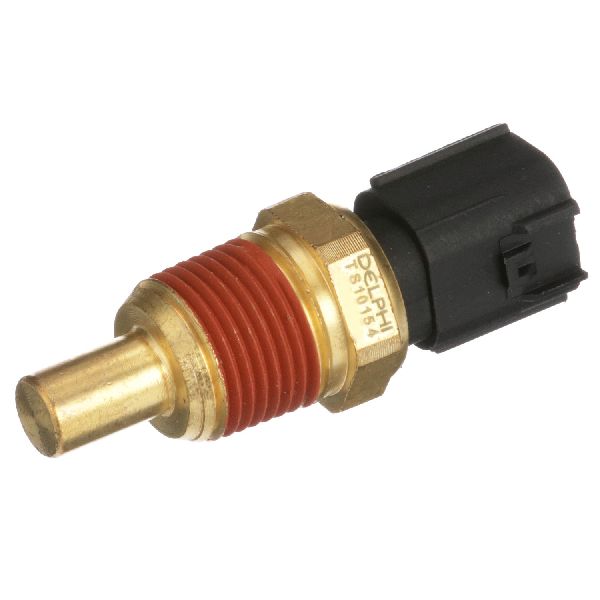
The engine coolant temperature sensor is located on the 3.5L V6 engine, typically screwed into the engine's water jacket near the thermostat housing at the front of the engine. It is a small, two-wire sensor.
Can I replace this sensor myself?
Yes, this is a DIY-friendly job for most home mechanics. The process involves letting the engine cool completely, disconnecting the electrical connector, and using a deep socket to unscrew the old sensor. You should be prepared for a small amount of coolant to spill and have the new sensor ready to install quickly. Afterward, you will need to top off the coolant and check for leaks.
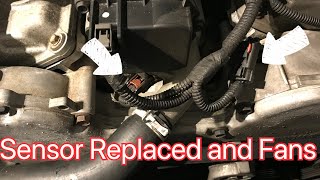
🎬 Watch: How to test and replace the coolant temperature sensor.What happens if I don't replace a bad ECT sensor?
Ignoring a faulty ECT sensor is not recommended. It can lead to serious issues like engine overheating and potential internal damage. It will also cause you to fail an emissions test, burn excessive fuel, and experience poor drivability.
Are there any recalls for the 300M coolant sensor?
No, searches of the NHTSA database did not find any specific recalls or Technical Service Bulletins (TSBs) for the engine coolant temperature sensor on the 1998-2004 Chrysler 300M.
Helpful Videos

Technical Specifications
OEM Part Numbers: 56027873
This is a 2-terminal, plug-in type thermistor sensor that changes resistance based on coolant temperature.
We Have This Part in Stock


The information in this article is provided for general reference and educational purposes only. Vehicle specifications, procedures, and part compatibility can vary by production date, trim level, and region. Always consult your vehicle's factory service manual and verify part numbers before purchasing or performing repairs. Safety-critical components such as airbags, seat belts, and braking systems should be installed by a qualified professional.
- Chrysler 300M: