

Chrysler 300M Oxygen Sensor Guide (1998-2004): Symptoms and Replacement
Is your 300M's check engine light on? It might be a bad oxygen sensor.
- Your 300M has four oxygen sensors; use a code scanner to identify which one has failed.
- For best results and longevity, choose a premium aftermarket brand like Denso or NTK, which are often the OEM suppliers.
- If multiple O2 sensor codes appear at once, suspect a wiring or PCM issue before replacing the sensors.
- Sensors can be seized in the exhaust; use penetrating oil and a special O2 sensor socket for removal.
Understanding Oxygen Sensor Failures in Your 300M
If you own a 1998-2004 Chrysler 300M, a check engine light is a matter of when, not if. One of the most common causes is a failing oxygen sensor. These sensors live in a harsh environment and have a finite lifespan, typically failing due to age, contamination from engine fluids, or internal heater circuit failure. While it's tempting to just replace the sensor that the code points to, it's important to understand the common issues with these cars.
Warning: Check for Other Issues First
If your scanner shows codes for all four oxygen sensors failing at once, it is very unlikely that all four sensors failed simultaneously. This usually points to a different problem, such as a blown fuse, a wiring harness issue, a bad ground, or a failing Powertrain Control Module (PCM). Have a mechanic investigate the electrical system before replacing all four sensors.
Symptoms of a Bad Oxygen Sensor
The signs of a failing O2 sensor can be subtle at first, but they will get worse over time. Look out for:
- Check Engine Light: This is the most common and obvious symptom. Common codes point to the heater circuit, such as P0135, P0141, P0155, and P0161.
- Poor Fuel Economy: One of the first things you might notice is that you're filling up your gas tank more often.
- Rough Idle or Misfires: The engine may run unevenly or shake at a stop.
- Engine Hesitation: You might feel a lag or stumble when you try to accelerate.
- Failed Emissions Test: A bad sensor can't properly regulate the fuel mixture, leading to high emissions.
Choosing the Right Aftermarket O2 Sensor
For a critical part like an oxygen sensor, brand and quality matter. Using a cheap, low-quality sensor can cause performance issues or fail quickly, forcing you to do the job all over again. Here’s a breakdown of available brands.
Tier 1: OEM & Premium Aftermarket
These brands are either the original equipment manufacturer (OEM) or are known to meet or exceed OEM quality. They are the most recommended for a reliable, long-lasting repair.
- Denso & NGK (NTK): Both Denso and NTK (the sensor brand for NGK) are major OEM suppliers to automakers worldwide, including Chrysler. They are widely considered the best aftermarket choice for fit, performance, and reliability. Many mechanics consider them equal to or better than the Mopar part you'd get from a dealer.
- Bosch: Bosch invented the modern oxygen sensor and is a huge name in automotive parts. While their quality is generally excellent, some professional mechanics and forum users have noted that their aftermarket sensors can sometimes be inconsistent compared to their OEM parts or compared to NTK and Denso. Still, it remains a very strong choice.
Tier 2: Standard Aftermarket
These brands provide a functional part at a lower price point. They can be a good option for a budget-conscious repair, but may not have the same longevity or precise calibration as premium brands.
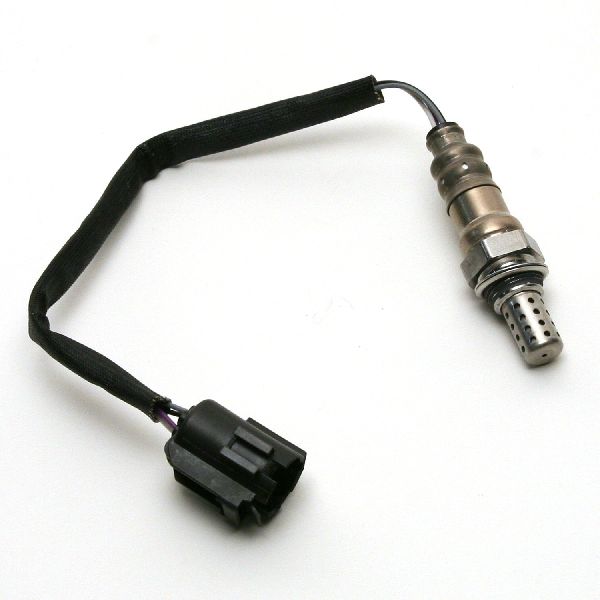
- Delphi: A well-known OEM supplier, primarily for GM, but they make quality parts for many vehicles.
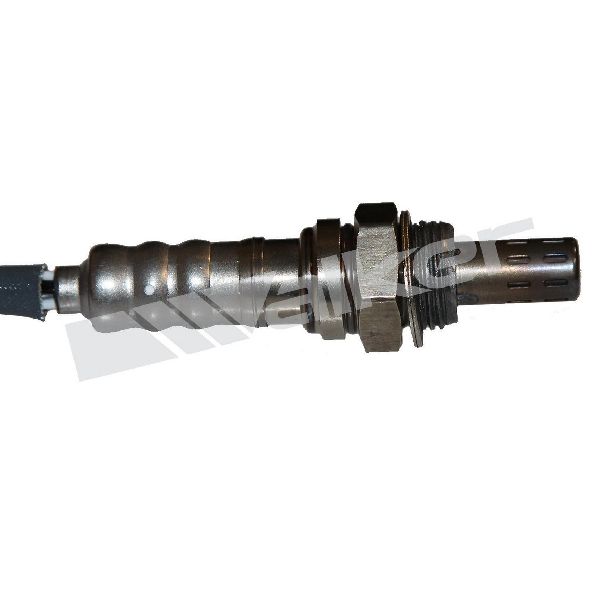
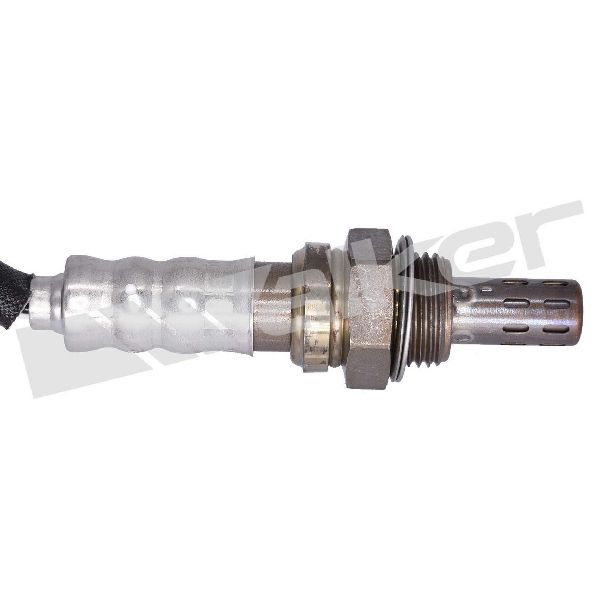
- Walker Products: A long-standing aftermarket exhaust and emissions parts manufacturer.
- Spectra: Known for fuel and emissions components, offering a budget-friendly alternative.
Tier 3: Economy Brands
Brands like DriveWire often represent the lowest-cost option. While tempting, these are generally not recommended for a critical sensor unless the vehicle's age and condition make a premium part impractical.
Pro Tip: Use Direct-Fit Sensors
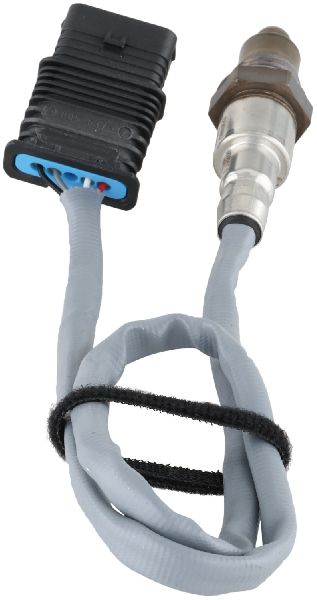
Always choose a "direct-fit" sensor. These come with the correct wiring harness and connector for your 300M, making installation much easier. Avoid "universal" sensors, which require you to cut and splice wires. An improper connection can cause resistance issues and lead to incorrect signals, defeating the purpose of the repair.
| Part Type | Estimated Cost (Single Sensor) | Notes |
|---|---|---|
| New OEM (Mopar) | $75 - $150 | Highest cost, guaranteed fit. |
| New Aftermarket (Premium) | $50 - $115 | Denso, NGK/NTK, Bosch. Recommended for best value and reliability. |
| New Aftermarket (Standard) | $25 - $60 | Delphi, Walker, Spectra. A budget-friendly option. |
| Shop Labor | $100 - $200 | Typically 1-1.5 hours of labor. May be more if sensors are badly seized. |
Frequently Asked Questions (FAQ)
How many oxygen sensors does my 1998-2004 300M have?
All 3.5L V6 models from this generation have four oxygen sensors: two upstream (before the catalytic converters) and two downstream (after the converters). Bank 1 is the passenger side, and Bank 2 is the driver's side.
What's the difference between upstream and downstream sensors?
Upstream sensors (Sensor 1) are the most important; they provide real-time feedback to the computer to adjust the air-fuel ratio. Downstream sensors (Sensor 2) primarily check if the catalytic converters are working correctly. A bad upstream sensor will immediately affect performance and fuel economy, while a bad downstream sensor will trigger a check engine light but may not cause noticeable driving issues right away.
Can I replace just one O2 sensor?
Yes, you only need to replace the sensor that has failed. A code reader will tell you which sensor is reporting a fault (e.g., Bank 1, Sensor 2). However, since all sensors have been in the car for the same amount of time, it's not uncommon for another one to fail soon after the first. If you have the time and budget, some owners replace them in pairs (both upstream or both downstream).
Do I need a special tool to replace an oxygen sensor?
It is highly recommended. A special oxygen sensor socket is designed with a slot down the side to accommodate the sensor's wire. You can also use a 22mm (or 7/8") open-end wrench, but the socket provides a better grip and reduces the risk of stripping the sensor, which can be very tight or rusted in place.
Are there any recalls for the 300M oxygen sensor?
No, there are no specific recalls for oxygen sensors on the 1998-2004 Chrysler 300M according to NHTSA data. However, some Technical Service Bulletins (TSBs) for similar Chrysler vehicles of the era mention wiring harness issues that can cause false O2 sensor codes, so it's wise to ensure the wiring is intact.
Technical Specifications
OEM Part Numbers: 4606133AC 4606133AE 56041108 4606555AC
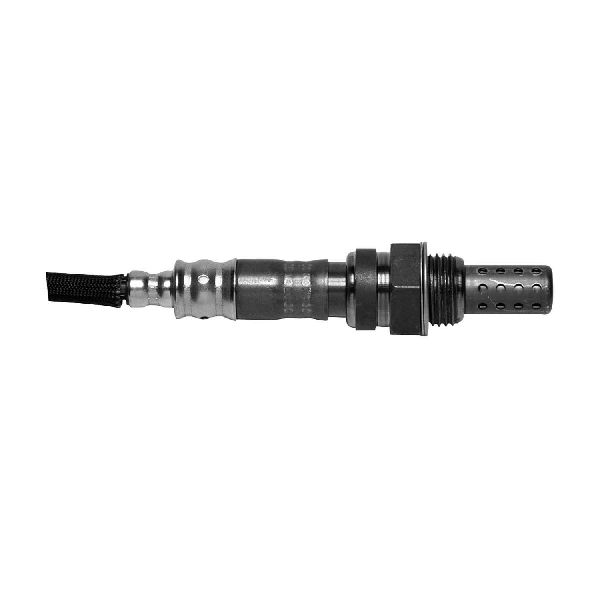
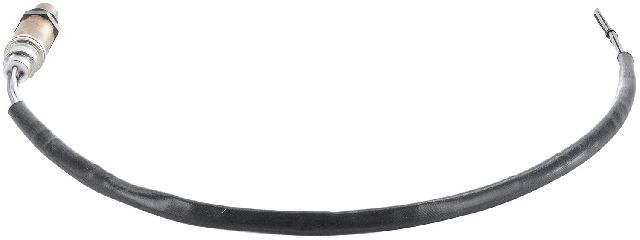
The 1998-2004 Chrysler 300M uses heated, 4-wire, narrow-band oxygen sensors. The thread size is M18x1.5 and requires a 22mm (7/8") wrench or socket for removal. Upstream and downstream sensors are physically different and have different length harnesses; they are not interchangeable.
We Have This Part in Stock

The information in this article is provided for general reference and educational purposes only. Vehicle specifications, procedures, and part compatibility can vary by production date, trim level, and region. Always consult your vehicle's factory service manual and verify part numbers before purchasing or performing repairs. Safety-critical components such as airbags, seat belts, and braking systems should be installed by a qualified professional.
- Chrysler 300M:
- 🛍️ Shop This Part
- Understanding Oxygen Sensor Failures in Your 300M
- Warning: Check for Other Issues First
- Symptoms of a Bad Oxygen Sensor
- Choosing the Right Aftermarket O2 Sensor
- Tier 1: OEM & Premium Aftermarket
- Tier 2: Standard Aftermarket
- Tier 3: Economy Brands
- Pro Tip: Use Direct-Fit Sensors
- Frequently Asked Questions (FAQ)
- 🎟️ Get 5% Off